
Articles & guides
Fitment know-how, buying guides, restoration tips, and deep dives on rims, tires, and drivetrain parts.
155 articles
Understanding Rims and Tires
New to buying wheels online? A plain-English primer on rim and tire basics — the specs that matter, how to read our A–D condition grades, and what to check before you buy.

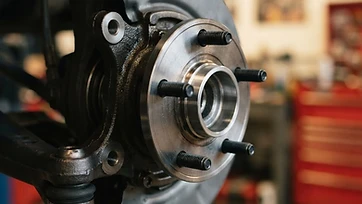
The Role of the Hub Centric Lip in Load Distribution
The hub centric lip does more than center the wheel — it carries the vehicle's weight. Here is what happens when it is bypassed and why it is critical.

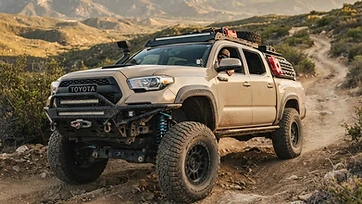
Lift Kits Explained: Body Lift vs Suspension Lift
A body lift and a suspension lift both raise a truck, but they do very different things. Here's how to choose the right one for your build.

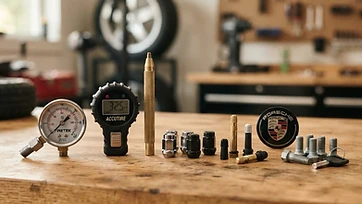
Tire Pressure Gauge Types: Digital vs Analog vs Dial
A tire pressure gauge is the most important tool you own. Here is how the three types compare on accuracy, reliability, and use case.

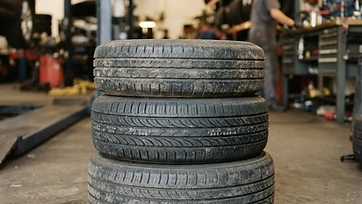
The Dangers of Running Different Tire Sizes on the Same Axle
Mixing tire sizes on the same axle can damage the differential, trigger stability control, and cause unpredictable handling. Here is why it is never worth it.

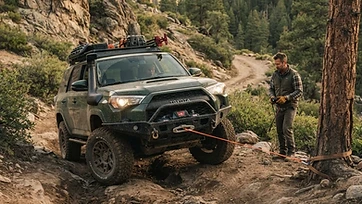
Winches and Recovery Gear: Pulling Yourself Out Without Bending the Truck
A winch is the most powerful — and most dangerous — tool on a trail rig. Here's how to size one, what recovery gear you need, and how to pull safely without bending your truck.
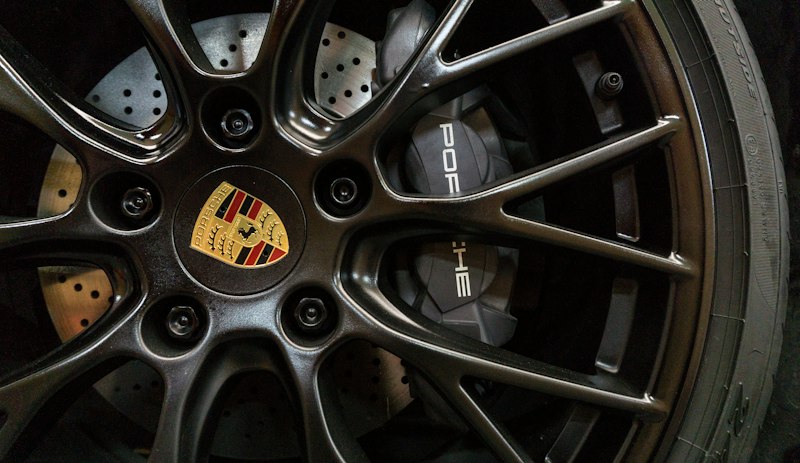
Chrome vs Alloy Rims: Which Should You Buy?
Chrome rims are lighter and flashier; alloy rims are heavier and more durable.

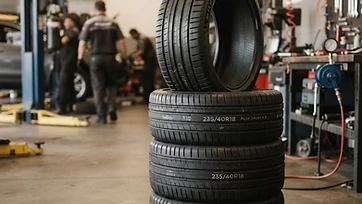
Tire Pressure and Temperature: Why Your PSI Fluctuates
Your tires lose and gain pressure with temperature changes — 1 PSI per 10 degrees. Here is why it happens, why it matters, and how to manage it.

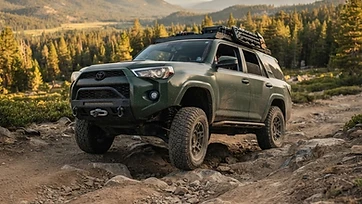
Lockers and Limited-Slips: Traction Off the Pavement
A locker or limited-slip is the most capable off-road mod you can make. Here's the difference between open diffs, LSDs, and lockers — and which you need.
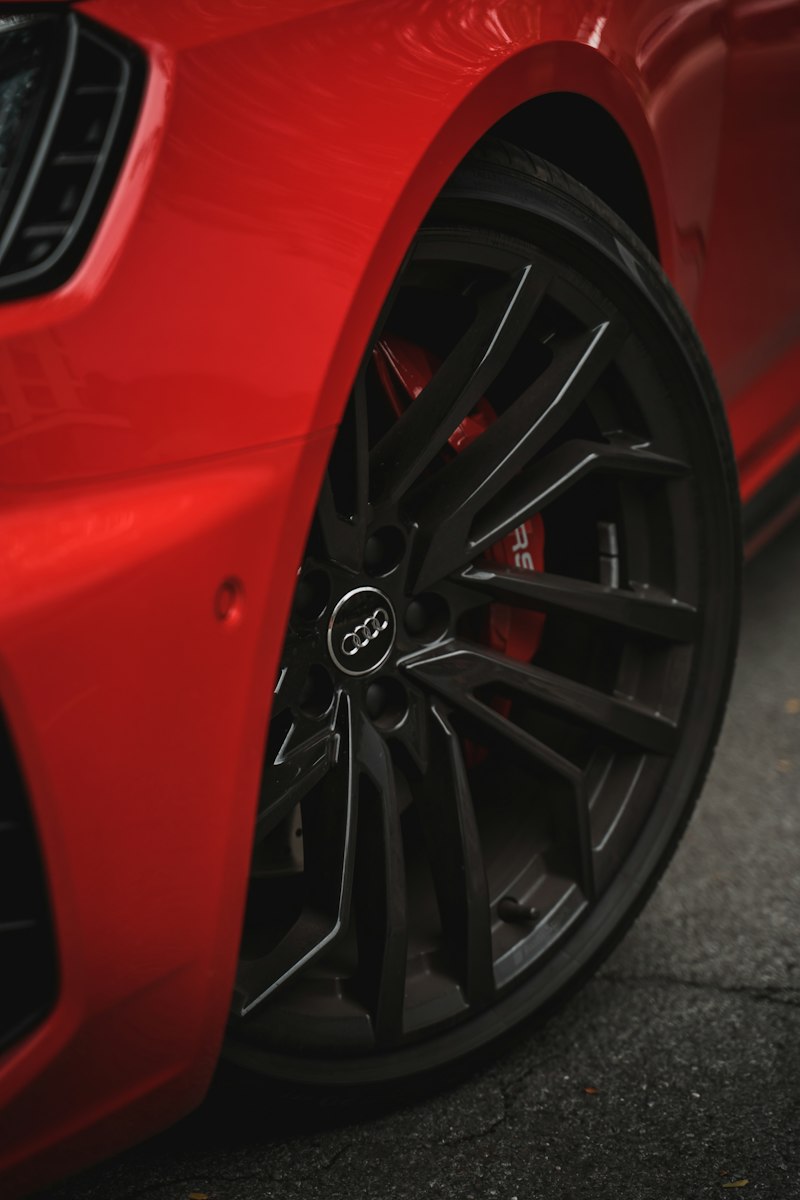
Tire Tread Depth: The 32nd-Inch Rule Every Buyer Should Know
Tread depth is measured in 32nds of an inch — and a few 32nds can be the difference between a safe tire and a dangerous one. Here's the rule every buyer should know.

Winter Wheels: Why You Need a Dedicated Set
Running winter tires on a dedicated wheel set is cheaper than replacing your summer wheels every spring. Here is the case for a second set and how to choose them.

Spring Rate, Wheel Rate, and Motion Ratio: The Number on the Spring Isn't the Whole Story
Two cars with the same 500 lb/in spring can feel nothing alike. Here's how motion ratio turns a spring rate into a wheel rate — and why the number on the spring isn't the whole story.

Driveshaft Angles and CV Joint Wear After a Lift
A lift changes the angles between your transfer case, driveshaft, and axle — and bad angles eat u-joints, vibrate on the highway, and shorten every driveline component. Here's how to set them right.


Sway Bars and Chassis Bracing: Tightening Up the Handling
Sway bars and strut braces are the cheapest handling mods that actually work. Here's what they do and when to add them.

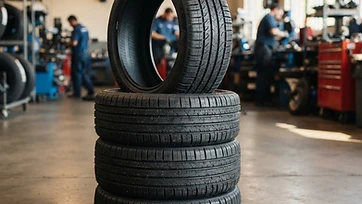
UTQG Ratings Demystified: Treadwear, Traction, and Temperature
The 500 A A on your tire sidewall is a standardized grading system — but it is not as simple as higher is better. Here is what each rating actually tests.

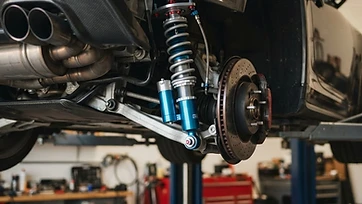
Coilovers 101: What to Know Before You Drop Your Ride
A beginner's guide to coilovers — what they do, the types available, and what matters before you lower your car.

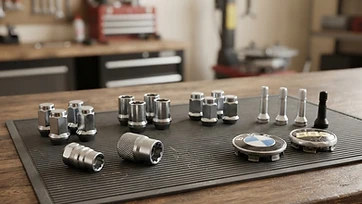
Wheel Locks: Do They Actually Prevent Theft?
Wheel locks stop casual thieves but not determined ones. Here is an honest look at effectiveness, lock types, and the layers that actually work.

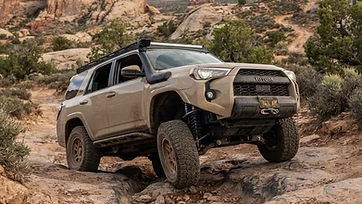
Up-Travel and Down-Travel: Why Both Halves Matter on the Trail
Everyone talks about lift height — but up-travel and down-travel are what decide whether your truck crawls a rock or high-centers on it. Here's how to balance both halves of wheel travel.
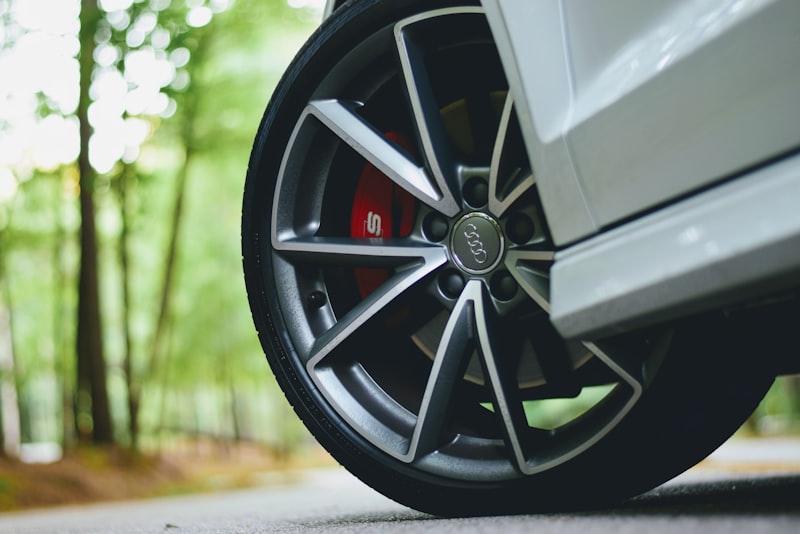
Choosing the Right Tire Width
Matching tire width to rim diameter is critical for proper fitment and performance.

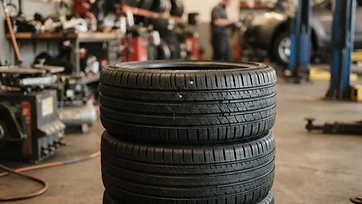
Patch vs Plug: The Right Way to Repair a Punctured Tire
A roadside plug is a temporary fix, not a repair. The only safe, permanent method is a combination plug-and-patch done from inside the tire — and here is why.

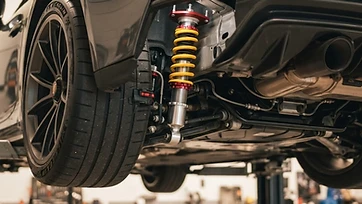
Lowering Springs vs Coilovers: Which Is Right for You?
Both drop your car — but they're not interchangeable. Here's how to choose between lowering springs and full coilovers.

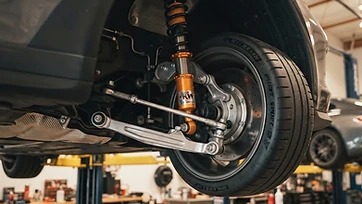
Camber, Toe, and Alignment After a Drop: A Setup Guide
Lowering your car changes your alignment geometry. Here's how to set camber, toe, and caster so your tires and handling survive the drop.

How to Inspect Used Rims for Curb Rash and Damage
Learn what to look for when inspecting used rims for damage before buying.

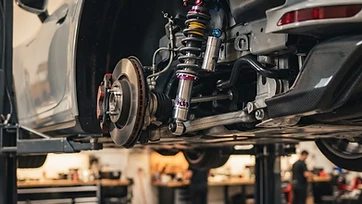
Damping Tuning: Reading Rebound and Compression on the Street
The damping knob changes how your car feels more than almost anything else — and most owners turn it the wrong way. Here's how to read rebound and compression on the street.

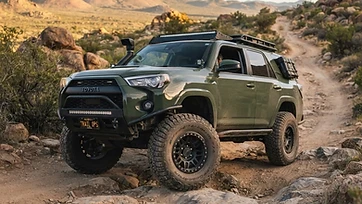
Air Down for the Trail: Tire Pressure, Beadlocks, and Getting Back on the Pavement
The fastest off-road capability upgrade you can make doesn't cost a dime — it's letting air out of your tires. Here's how low to go, when you need beadlocks, and how to get back to street pressure.

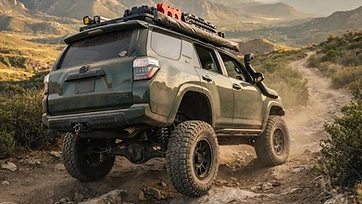
How to Regear Your Axle After Bigger Tires
Bigger tires cost you power and mpg. Here's how to pick the right ring-and-pinion ratio and why you should regear both axles at once.

The Anatomy of a Wheel Rim: Parts and Terminology
Understand the parts of a wheel rim and the terminology used in automotive wheel discussions.

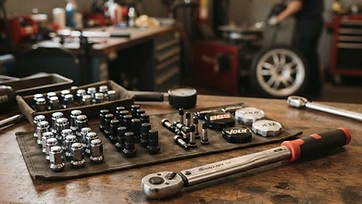
Breakaway Torque Wrenches: Calibration and Use
A torque wrench is only as accurate as its last calibration. Here is how to keep it accurate, how to use it correctly, and why storage matters.

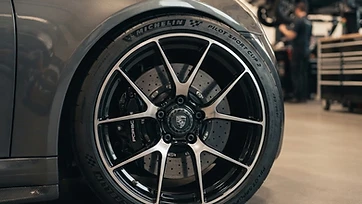
ET (Offset): The German Wheel Measurement Standard Explained
ET stands for Einpresstiefe — the German word for offset. Here is what it means, why it is the global standard, and how it determines whether your wheels fit.

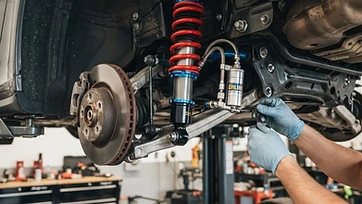
Coilover Maintenance: Rebuilding, Resealing, and When to Replace
Coilovers are wear items. Here's how they degrade, what a rebuild actually buys you, and the maintenance routine that doubles the life of your set.

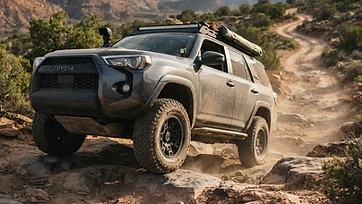
Skid Plates and Rock Sliders: Protecting Your Undercarriage
A lift doesn't protect the parts underneath it. Here's how skid plates and rock sliders save your oil pan, transfer case, and rockers on the trail.

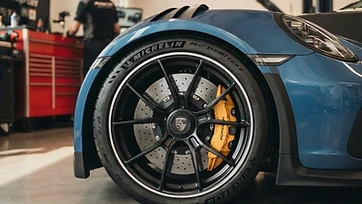
The Science of Wheel Weight: Why Rotational Mass Matters
Unsprung and rotational weight affect acceleration, braking, and ride quality more than almost any other wheel spec. Here is what the physics says.

Understanding Rim Bolt Patterns: 5x114.3 and Beyond
The 5x114.3mm bolt pattern is the most important spec when buying rims.

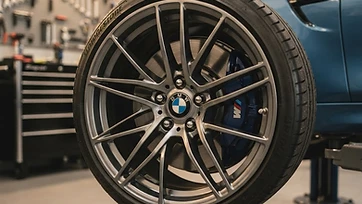
Lug Nut Seat Types: Conical, Ball, and Flat
Using the wrong lug nut seat type is a common and dangerous mistake. Here is how to identify conical, ball (radius), and flat seats and why they are not interchangeable.

Used vs. Refurbished Rims: What to Check Before You Buy
Refurbished rims look new, but are they worth the premium? Here's what to inspect on both, and which makes sense for your build.

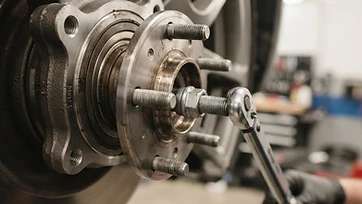
Hub Bolt Stretch: The Physics of Proper Lug Torque
Lug nuts do not clamp the wheel — the stretched stud does. Understanding bolt tension is the key to understanding why proper torque is non-negotiable.

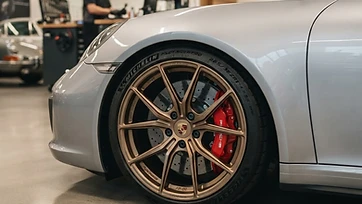
Flow-Formed Wheels: The Middle Ground Between Cast and Forged
Flow-forming gives you forged strength at a cast price. Here is how the process works and why it is the best value in modern wheel manufacturing.

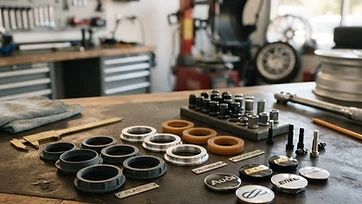
Hubcentric Rings: Plastic vs Aluminum vs Polyurethane
Hubcentric rings come in three materials with different tradeoffs. Here is how to choose between plastic, aluminum, and polyurethane — and why fit matters more than material.


Stud Length and Thread Engagement: How Much Is Enough
Lug stud thread engagement is the difference between a wheel that stays on and one that does not. Here is how to calculate the minimum and what can go wrong.

The Hunt for One: Finding a Single Replacement Rim
A single bent or cracked rim can ground your whole ride. Here's why matching just one wheel is the hardest part of the job — and how RimRevival.net makes it possible.

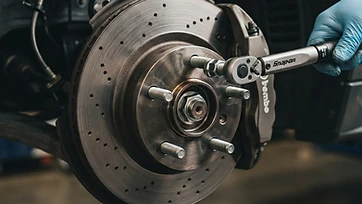
Torque Sequencing: The Star Pattern and Why It Is Non-Negotiable
Tightening lug nuts in order around the circle is a guaranteed way to get an uneven mount. The star pattern is the only safe way — here is how and why.

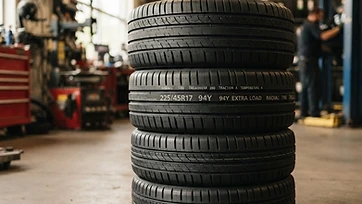
Load Index and Speed Rating: What Those Numbers Mean
The 94H stamped on your tire is not decoration. Load index and speed rating determine what the tire was engineered to handle — and downgrading either is a safety risk.

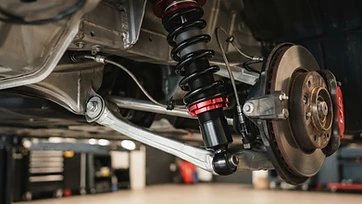
Bump Stops and Travel Limits: What Happens When the Suspension Bottoms
Bump stops are the most-overlooked part of a lowered build. Here's how they protect your shocks and why up-travel is the number that actually matters.
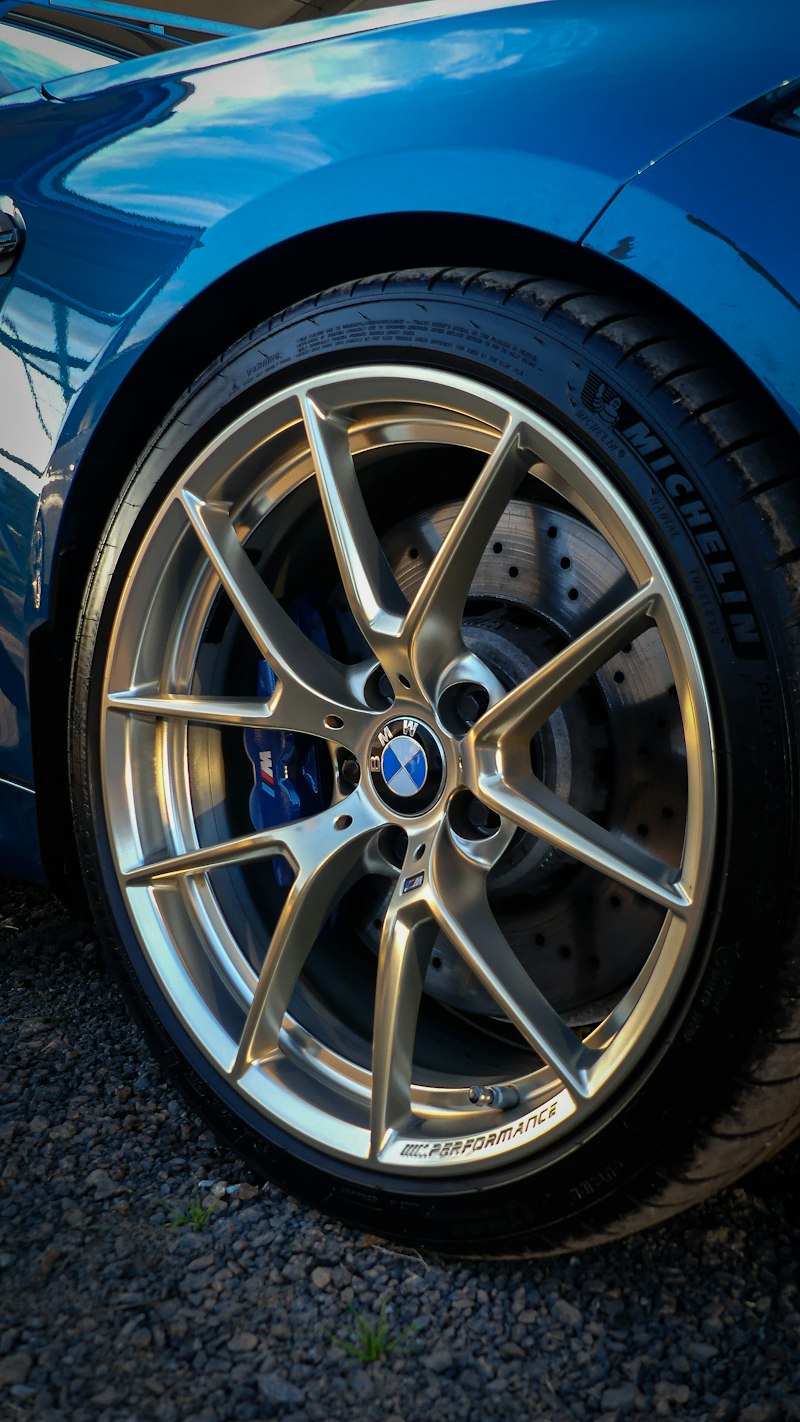
How to Read a DOT Tire Code (and Why a Tire's Age Matters)
Every tire sold in the US since 2000 carries a DOT code that tells you where and when it was made. Here's how to read it — and why a tire's age matters as much as its tread.


Mud-Terrain vs All-Terrain: Picking the Right Off-Road Tire
Both look aggressive, but A/T and M/T tires are built for very different days. Here's how to pick the right off-road tread for how you actually use your truck.

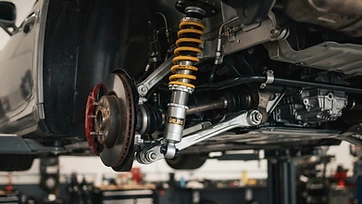
How to Choose the Right Spring Rate for Your Build
Spring rate is the single most important number in your suspension setup. Here's how to think about it without an engineering degree.
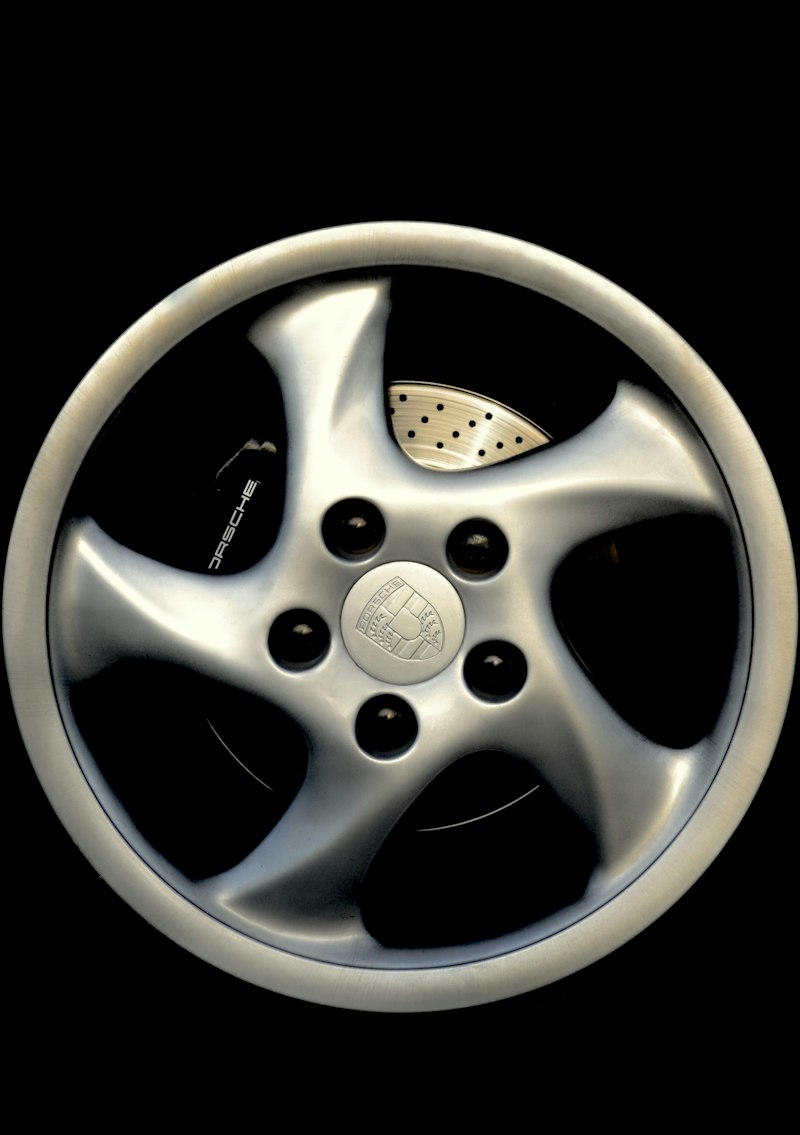
Bolt Patterns Explained: Will Those Rims Fit My Car?
5x114.3, 4x100, 8x165 — what do bolt patterns mean, and how do you know if a set of rims will actually fit your car? A plain-English fitment guide.

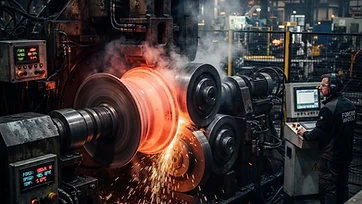
The Performance Math: Why Your Wheel’s Manufacturing Method Matters More Than Its Style
Learn how casting, flow forming, and forging affect your car's unsprung weight and handling, helping you choose the right wheel for your driving style.

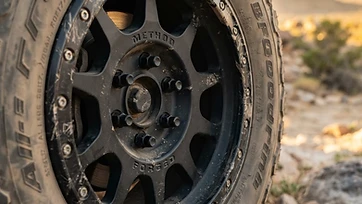
Beyond the Bolt Pattern: Why Wheel Load Rating is the Most Important Spec You’re Ignoring
Learn how to calculate the correct wheel load rating for your off-road rig to prevent catastrophic rim failure during high-impact trail maneuvers.

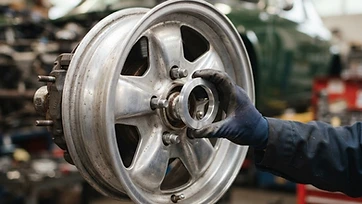
Beyond the Bolt Pattern: The Critical Role of Hub-Centricity in Vintage Fitment
Matching your bolt pattern is only half the battle. Learn why the center bore is the secret to eliminating highway vibrations and ensuring a safe ride on vintage wheels.

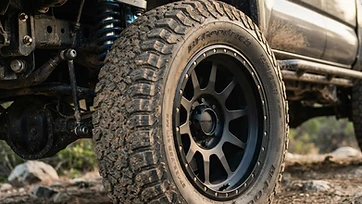
Beyond the Stance: How Wheel Offset and Backspacing Affect Trail Performance
Learn how to choose the right wheel offset and backspacing to clear larger tires, protect your suspension, and improve stability on technical terrain.


The Scrub Radius Trap: Why Your New Wheel Offset Might Be Ruining Your Steering
Achieving the perfect flush fitment often comes at the cost of steering feel and stability. Understand how wheel offset alters your scrub radius and how to maintain performance while upgrading your stance.

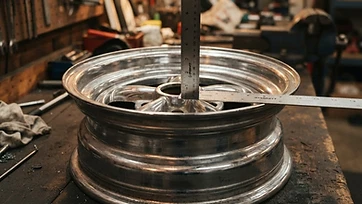
The Backspacing Trap: Why Modern Offset Specs Can Ruin Your Vintage Fitment
Don't let modern metric measurements ruin your classic's stance. Learn how to convert offset to backspacing to ensure your new rims clear suspension components perfectly.

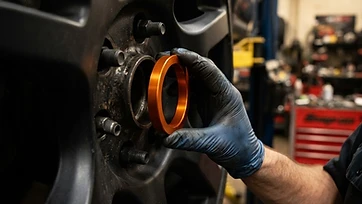
The Vibration Mystery: Why Hub-Centric Rings Are the Missing Link in Your Aftermarket Setup
Stop the steering wheel shake. Learn why matching your wheel's center bore to your vehicle's hub is the secret to a vibration-free ride.

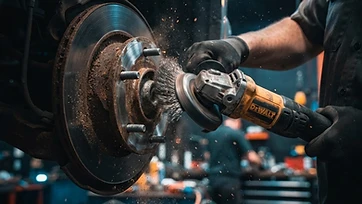
Beyond the Bolt: The Essential Guide to Hub Mating Surface Preparation
Don't let corrosion ruin your new wheel fitment. Learn how to properly prep your hub's mating surface and center bore for a vibration-free installation.

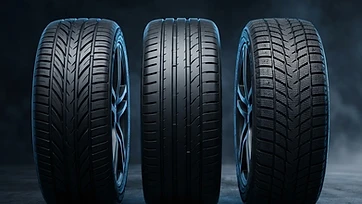
Beyond the Size: Choosing the Right Tread Pattern and Compound for Your Build
Learn how asymmetric, directional, and symmetric tread patterns impact your car's handling and why the 7°C rule is the ultimate guide for seasonal tire swaps.

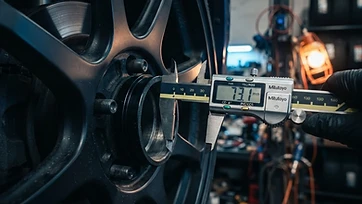
The Aftermarket Wheel Buyer’s Hub-Centric Checklist: Ensuring a Perfect Fit
Buying wheels isn't just about the bolt pattern. Use this checklist to ensure your new rims match your vehicle's hub for a vibration-free ride.

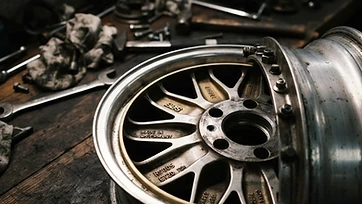
Beyond the Catalog: A Buyer’s Guide to Verifying Discontinued Wheels
Learn how to authenticate rare, out-of-production rims and inspect for structural integrity before you buy from the collector market.

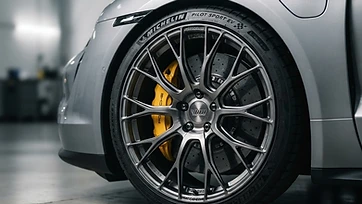
The Unsprung Weight Advantage: Why Lighter Wheels Matter for Your EV
Reducing unsprung weight is the most effective way to improve your EV's handling, ride quality, and efficiency. Learn why choosing the right aftermarket wheels is a performance upgrade, not just a cosmetic one.


Torque Vectoring and Wheel Load: How EVs Redistribute Grip
EV torque vectoring is faster, more precise, and more capable than mechanical systems. Here is how it works, how it changes handling, and how it affects tire wear.

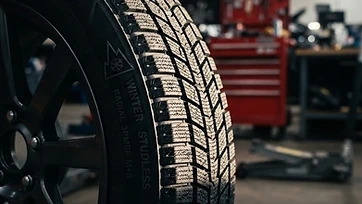
The Seasonal Performance Audit: A Buyer’s Checklist for Year-Round Grip
Stop guessing if your tires can handle the cold. Learn the technical differences between M+S and 3PMSF ratings to choose the right compound for your climate.

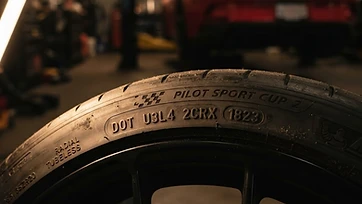
The 'New Old Stock' Trap: Why Your 'New' Tires Might Already Be Expired
Buying tires online often leads to 'New Old Stock' deals. Learn how to decode the DOT date and why rubber age is just as critical as tread depth for safety.


Beyond the Bolt Pattern: Why Hub-Centric Rings Are Non-Negotiable
Eliminate highway vibrations and ensure a safe fit by understanding the critical relationship between your vehicle's hub and your new aftermarket wheels.


EV-Specific Tire Compounds: What Makes Them Different
EV tires look like regular tires but are engineered for weight, torque, and rolling resistance. Here is what the compound, construction, and design priorities are.

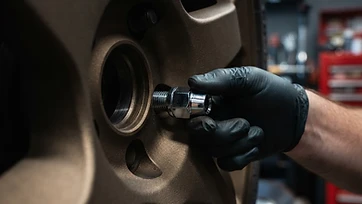
Beyond the Bolt: Why Your Factory Lug Nuts Can Ruin Aftermarket Wheels
Reusing OEM hardware on aftermarket wheels is a common mistake that leads to vibration and safety risks. Learn how to match seat types and avoid the 'swollen lug' trap.

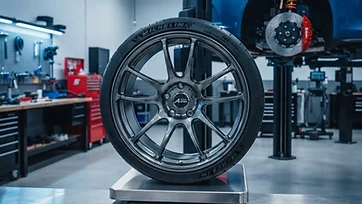
Beyond Horsepower: Why Unsprung Weight is the Ultimate Suspension Upgrade
Learn how reducing the weight of your wheels, tires, and brakes can transform your car's handling and grip more effectively than adding power.

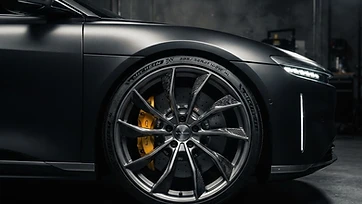
The EV Wheel Upgrade Checklist: Balancing Load Rating with Unsprung Weight
Don't risk a structural failure for the sake of aesthetics. Learn how to verify load ratings and manufacturing methods when shopping for EV-specific wheels.

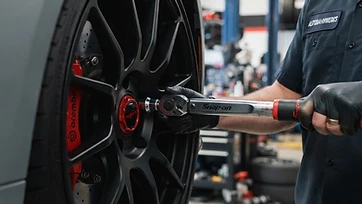
The Perfect Fitment Checklist: 5 Essential Accessories for Your New Wheels
Buying wheels is only half the battle. Ensure a safe, vibration-free ride with this guide to selecting the right lug nuts, spacers, and TPMS sensors for your upgrade.

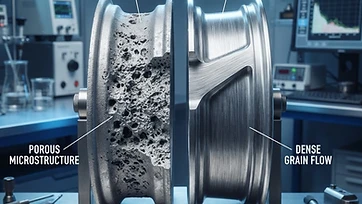
The 'Flow Forged' Marketing Trap: Decoding Wheel Manufacturing Labels
Don't let clever branding fool you into overpaying. Learn the structural differences between cast, flow-formed, and fully forged wheels to choose the right upgrade for your build.

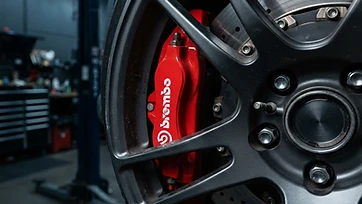
The 'X-Factor': Why Your Wheels Might Not Clear Your Brakes
Bolt patterns and offsets are only half the battle. Learn how to measure the 'X-Factor' to ensure your new rims clear high-performance brake calipers.

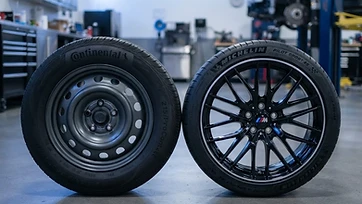
The Plus-Sizing Strategy: How to Increase Rim Diameter Without Ruining Your Ride
Upgrading to larger wheels requires more than just matching bolt patterns. Learn the '1% Rule' for maintaining speedometer accuracy and suspension geometry when plus-sizing.


The Evolution of Wire Wheel Construction
From bicycle-spoke origins to knock-off racing hubs, wire wheels evolved over a century. Here is how they changed, why they need tubes, and what to check when buying.


Vintage Wheel Finishes: Matching Period-Correct Paints
A concours-quality restoration requires the right finish, not just the right wheel. Here is how to match paint type, sheen, and color codes to each era.

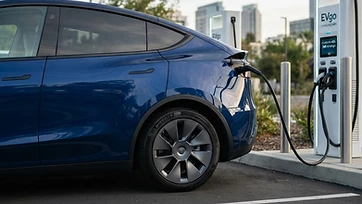
Aero Wheel Covers: Do They Actually Improve Range?
Every EV manufacturer offers aero wheel covers, and they do improve range — by 2-4%. Here is the physics, the tradeoffs, and whether they are worth keeping on.

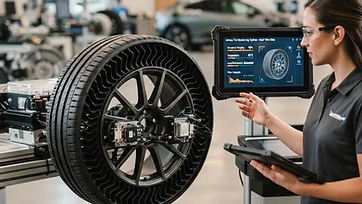
The Future of Airless Tires and Wheel Design
Airless tires have been in development for over a decade and solve real problems — but they change wheel design fundamentally. Here is the state of the technology.


Brake Dust and EV Wheels: Corrosion on Regen Vehicles
EVs produce less brake dust but their brakes corrode from disuse. Here is how that affects your wheels, what to watch for, and how to maintain the brakes.

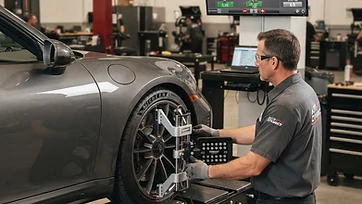
Laser Wheel Alignment vs String Alignment
Laser and string alignment are the two main approaches — and each measures something slightly different. Here is when to use which and why both work.

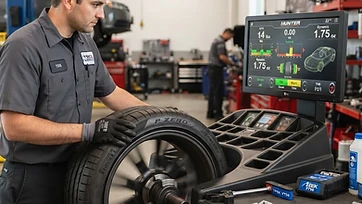
Road Force Balancing: What It Catches That Static Cannot
Road force balancing measures what static and dynamic balancing cannot — tire stiffness and wheel runout under load. Here is when you need it and why it works.


Instant Torque and Tire Wear: Why EVs Eat Tires Faster
EVs wear tires 20-30% faster than equivalent ICE cars. The reasons are weight and instant torque — and understanding them explains why EV-specific tires matter.


The History of Magnum 500 Wheels
The Magnum 500 is one of the most recognizable American muscle car wheels ever made. Here is its origin, who ran it, and why it is still collectible today.

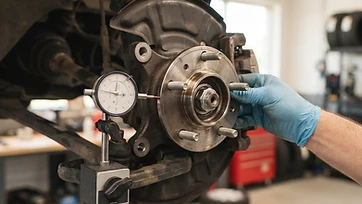
How to Check Hub Runout and Why It Matters
Hub runout causes vibrations that no amount of wheel balancing can fix. Here is how to measure it with a dial indicator and what the numbers mean.


Vintage Alloy Identification: Emblems, Stamps, and Casting Marks
Every vintage wheel tells its story through its marks — part numbers, date codes, and casting symbols. Here is how to read them and why they determine value.

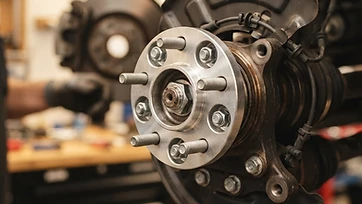
Understanding Bolt Pattern Conversion Adapters
Adapters let you run wheels with the wrong bolt pattern — but they always change your offset and add a structural failure point. Here is how to use them safely.

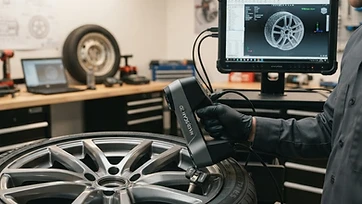
Using 3D Scanning to Reproduce Discontinued Wheels
When a wheel is discontinued and cannot be found, 3D scanning offers a way to reproduce it exactly. Here is how the process works and what it costs.

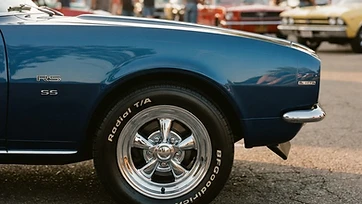
Chrome Plating on Vintage Wheels: How It Was Done
Vintage chrome is not one layer — it is three: copper, nickel, and chromium. Understanding the process explains why it fails, why it is expensive to restore, and how to care for it.


Understanding Wheel Runout Tolerances
Every wheel has runout — the question is how much is acceptable and how much causes vibration. Here are the tolerances, how to measure, and when to fix.

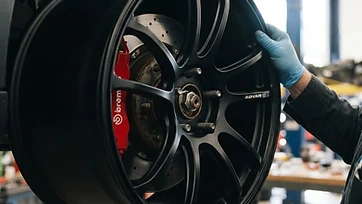
The 'Dry Fit' Protocol: Why You Must Test Fit Wheels Before Mounting Tires
Avoid the expensive 'no-return' trap by mastering the pre-mount test fit. Learn how to verify brake clearance and suspension gaps before you commit to tires.

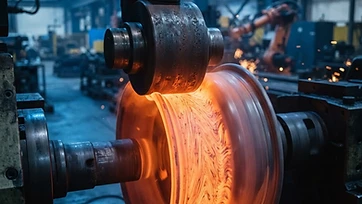
The Elongation Factor: Why You Want a Wheel That Bends, Not Breaks
Beyond weight and style, elongation determines how your wheel reacts to a sudden impact. Discover why a ductile wheel is your best insurance policy on the road.

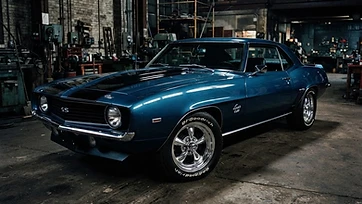
The Plus-One Strategy: Upsizing Vintage Wheels for Modern Performance
Learn how to upgrade your classic car's wheel diameter to improve handling and tire selection while preserving a period-correct aesthetic.

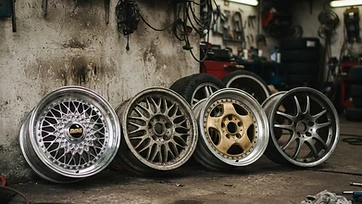
The Single Wheel Strategy: How to Piece Together a Rare Discontinued Set
Finding a complete set of out-of-production rims is rare and expensive. Learn how to build your dream setup by sourcing individual wheels and pairs.

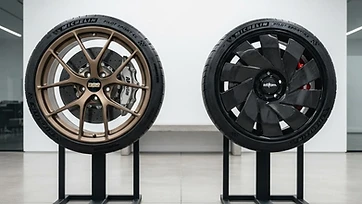
The Range-First Wheel Swap: Why Downsizing is the Ultimate EV Performance Hack
Think bigger is better? For EVs, downsizing your wheels can unlock significant range gains and improved ride quality without sacrificing style.

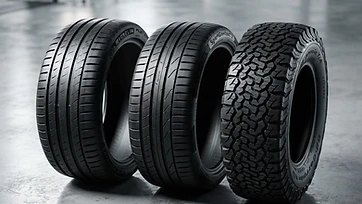
The Performance Matching Protocol: Syncing Tread Geometry with Your Driving Style
Don't just buy for size. Learn how to choose between directional, asymmetric, and symmetric tread patterns to maximize your car's handling and longevity.

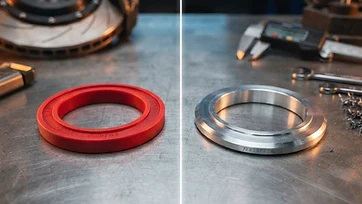
Plastic vs. Aluminum: Choosing the Right Hub Centric Ring Material for Your Build
Choosing between plastic and aluminum hub centric rings is more than just a price comparison. This guide breaks down which material suits your driving style and environment.

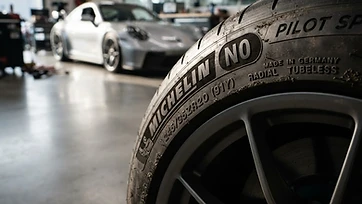
The OE-Spec Secret: Why Those Tiny Sidewall Symbols Change Everything
Discover why manufacturer-specific markings like 'Star Spec' or 'N-Rated' matter for your build and how to avoid the performance pitfalls of mixing compounds.

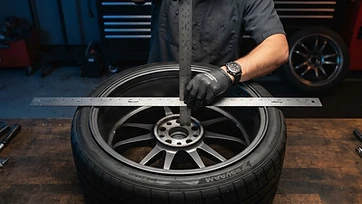
Backspacing vs. Offset: How to Ensure Your New Wheels Clear Your Suspension
Understanding the difference between backspacing and offset is the key to avoiding suspension rub. Learn how to measure your clearance and choose the right specs for a perfect fit.

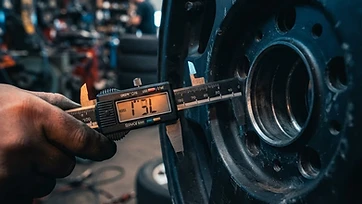
The Aftermarket Wheel Fitment Gap: How to Measure and Match Center Bores
Stop the shake before it starts. This guide explains how to measure your vehicle's hub and wheel center bore to choose the correct hub-centric rings for a perfect aftermarket fit.

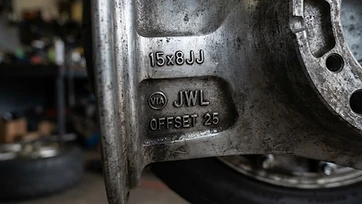
Decoding the Barrel: A Technical Guide to Rare Wheel Markings and Certifications
Learn how to read the JWL, VIA, and TÜV stamps on discontinued wheels to ensure your rare finds are authentic and structurally sound.

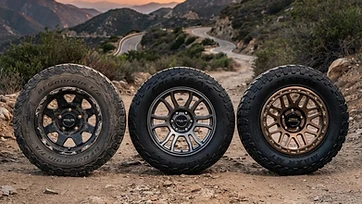
Steel vs. Aluminum vs. Forged: Choosing the Right Material for Your Off-Road Build
Choosing the wrong wheel material can lead to cracked rims or sluggish performance. Learn the critical differences between steel, cast, and forged wheels to find the perfect match for your trail style.

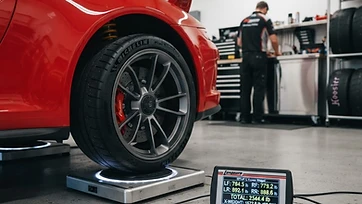
The Secret to Symmetry: Why Corner Balancing is the Final Step for Your Coilover Setup
Installing coilovers is only half the battle; corner balancing ensures your car handles identically in left and right turns by equalizing diagonal cross-weights.

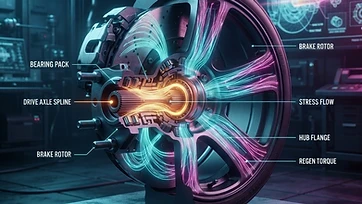
Beyond the Load Rating: Understanding Torque Reversal and EV Wheel Fatigue
Most EV owners focus on weight, but the hidden stressor is torque reversal from regenerative braking. Learn how to choose wheels that handle the unique fatigue cycles of high-performance electric drivetrains.

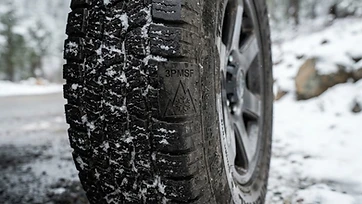
The Three-Peak Standard: Why 'All-Season' Tires Might Fail Your Daily Build
Don't let the 'All-Season' label fool you. Learn the critical difference between M+S and 3PMSF ratings to ensure your project car stays on the road when temperatures drop.

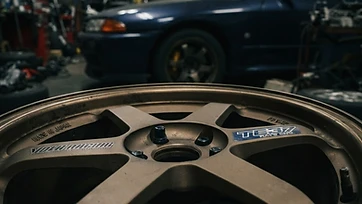
The Grail Hunt: Navigating the High-Stakes Market for Discontinued Wheels
Learn why certain out-of-production rims appreciate in value and how to strategically source "grail" wheels without falling for market hype.

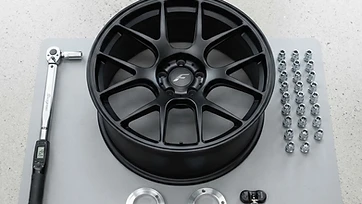
The Aftermarket Wheel Hardware Audit: 4 Must-Check Components Before You Buy
Avoid installation day delays by matching your hardware to your new wheels. This guide covers lug seats, TPMS compatibility, and hub-centric requirements for a seamless upgrade.

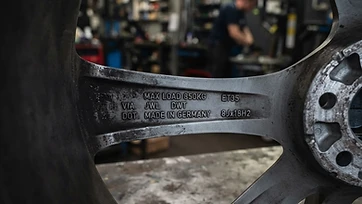
The Load Rating Trap: Why Your Aftermarket Wheels Might Be Unsafe
Most enthusiasts focus on offset and bolt patterns, but ignoring wheel load ratings can lead to catastrophic failure. Learn why this hidden spec is the most critical safety factor when buying aftermarket rims.

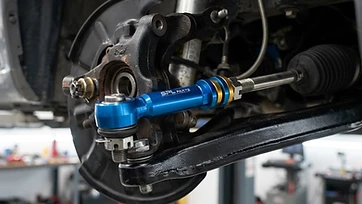
The Bump Steer Ghost: Why Your Lowered Car Darts Over Bumps
Lowering your car changes more than just the center of gravity. Learn how to diagnose and fix bump steer to regain steering precision and high-speed stability.

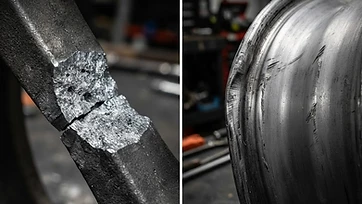
Beyond the Pothole: Why 'Failure Mode' is the Most Important Wheel Spec You’re Not Checking
Weight and style get all the glory, but how a wheel fails under impact—bending versus shattering—is the real difference between a limp home and a total loss.


The Survivor's Checklist: How to Inspect Used Vintage Wheels for Safety and Straightness
Buying vintage wheels online requires more than just matching a bolt pattern. Use this technical checklist to identify structural fatigue, hidden bends, and restoration-killing corrosion.

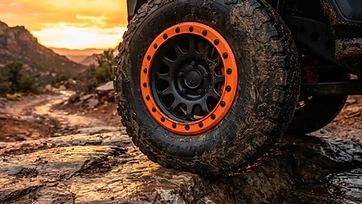
True Beadlocks vs. Hybrid Bead-Grip: Choosing the Right Rim for Low-PSI Traction
Struggling to decide between the extreme security of a true beadlock and the street-legal convenience of hybrid wheels? Here is how to choose the right rim for your trail rig.

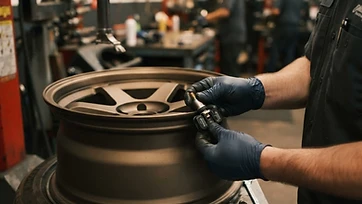
TPMS Migration vs. New Sensors: A Buyer’s Guide for Aftermarket Wheels
Deciding whether to swap your old TPMS sensors or buy new ones for your aftermarket wheels? Learn the pros, cons, and technical requirements to keep your dashboard light off.

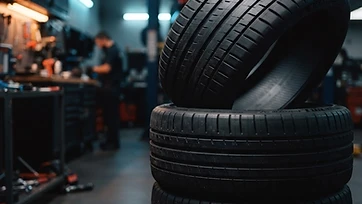
The Take-Off Audit: How to Source High-Performance Rubber Without the New-Tire Premium
Learn how to navigate the marketplace for 'take-off' tires to score premium compounds at a fraction of the cost while avoiding common safety pitfalls.


The Flow-Formed Sweet Spot: Why EV Owners Are Ditching Cast Wheels
Discover why flow-formed wheels are the ideal upgrade for heavy EVs, offering the perfect balance of high load capacity and reduced unsprung weight.

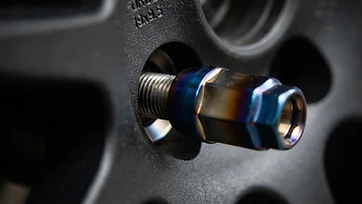
The Hardware Synergy Guide: Material Compatibility and Seat Geometry
A technical deep dive into how mismatched lug nut seats and incompatible metal alloys can lead to vibration, wheel damage, and seized hardware.

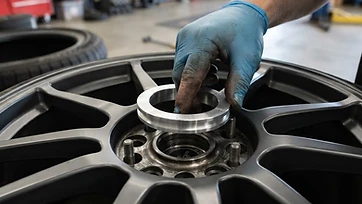
The Snug Fit Test: How to Verify Your Hub-Centric Rings Before You Hit the Road
Don't trust the box—learn how to physically verify the fitment of your hub-centric rings to prevent highway-speed vibrations and hardware stress.


The Square Setup Strategy: Why (and How) to Ditch Your Staggered Wheels
Learn how switching to a uniform 'square' wheel setup can neutralize your car's handling, simplify tire rotations, and save you money at the tire shop.

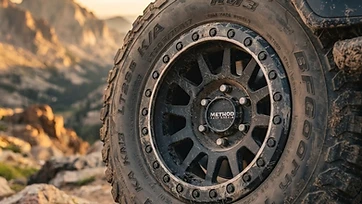
The Beadlock Maintenance Checklist: Keeping Your Rig Trail-Ready
Beadlock wheels offer unmatched security at low PSI, but they require a strict maintenance routine to stay safe. Learn how to inspect, torque, and care for your beadlock hardware.

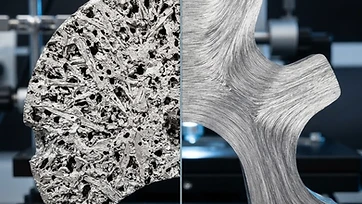
The Grain Structure Guide: Why Your Wheel’s Molecular DNA Matters
Most buyers focus on weight, but the way aluminum molecules are arranged determines if a wheel bends or shatters. Here is how to choose the right manufacturing tech for your drive.


Beyond the Barrel: The Enthusiast’s Guide to Buying Multi-Piece Wheels
Modular wheels offer unmatched customization, but buying them used requires a specialized inspection. Learn how to verify seals, hardware integrity, and authenticity.

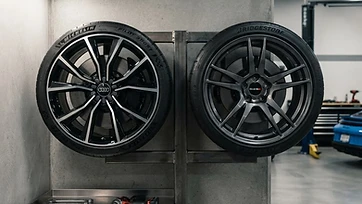
The OEM+ Compatibility Matrix: How to Safely Swap Wheels Between Different Car Brands
Learn the technical requirements for cross-brand wheel swapping, from center bore variances to hardware conversions, so you can score the perfect set of factory rims from another make.


The Hidden Hardware Tax: 6 Essential Accessories for a Professional Wheel Install
Buying wheels is only step one. Avoid project delays by budgeting for the specific fasteners, sensors, and spacers required to complete a safe and vibration-free installation.

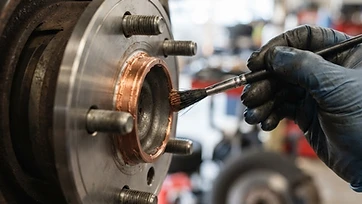
The Anti-Seize Strategy: Preventing and Removing Fused Hub-Centric Rings
Stuck hub-centric rings can turn a simple wheel swap into a nightmare. Learn how to prevent galvanic corrosion and safely remove seized rings without damaging your components.

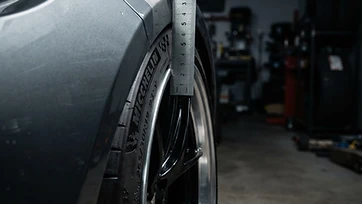
The Flush Fitment Blueprint: How to Calculate Poke and Tuck Before You Buy
Stop guessing how your new wheels will sit against the fender. Learn how to calculate poke and tuck to achieve a perfect flush fitment without rubbing.

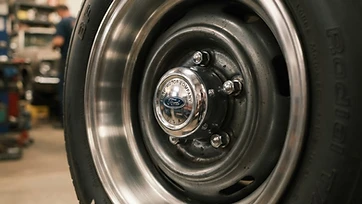
The Art of the Trim Ring: Restoring and Sourcing Vintage Wheel Jewelry
Learn how to identify, source, and restore the stainless steel trim rings that provide the essential finishing touch for classic rally and steel wheels.

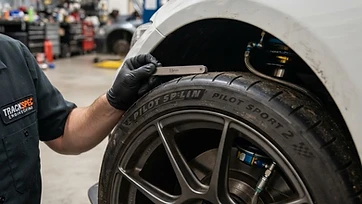
The Dynamic Clearance Checklist: Making Wide Wheels Work Under Load
Don't let your new wheels ruin your fenders. Learn how to account for suspension travel, motion ratios, and dynamic alignment to ensure a rub-free performance setup.

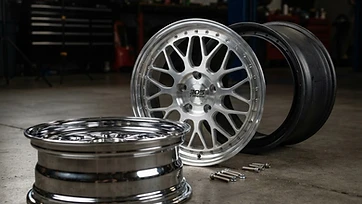
The Modular Advantage: Why Multi-Piece Rims Are the Safest Bet in the Discontinued Market
Buying rare wheels is risky, but modular 2-piece and 3-piece designs offer a safety net that monoblocks can't match. Learn why repairability makes these the ultimate collector investment.

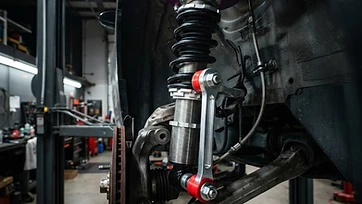
The Seasonal Hardware Shakeup: A Tech's Guide to Spring and Fall Suspension Checks
Freeze-thaw cycles and brutal pothole impacts take a silent toll on aftermarket hardware. Here is how to inspect your bushings, end links, and mounts before minor looseness becomes catastrophic failure.


Sub-Zero Stance: Surviving Cold Soaks, Brittle Rubber, and Salt Seizure
When the mercury drops below 45°F, performance coilovers, low-profile tires, and lightweight alloy wheels face sudden physics penalties that can compromise your chassis.

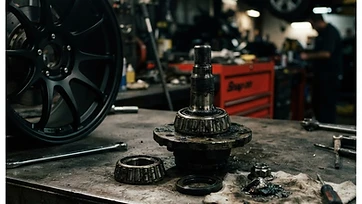
The Fulcrum Effect: How Wheel Offset and Unsprung Mass Dictate Bearing Life
Pushing your wheels outward or bolting on heavy rolling assemblies changes the physics of your hubs. Here is how offset, scrub radius, and leverage destroy wheel bearings—and how to diagnose failing units before failure.

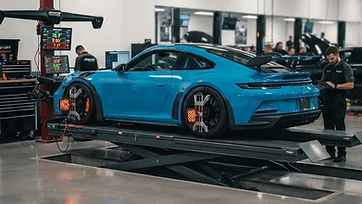
Beyond the Bolt-On: How Camber, Caster, and Toe Protect Your New Wheel and Spring Setup
Dropping a car on lowering springs or fitting aggressive aftermarket wheels instantly alters suspension geometry. Here is the tech's breakdown of camber, caster, toe, and why skipping the alignment rack destroys tires.


Beyond the Spin: The Tech's Guide to Wheel Weights and Road-Force Balancing
Eliminate stubborn highway vibrations with the right combination of wheel weights, dynamic balancing, and road-force diagnostics.

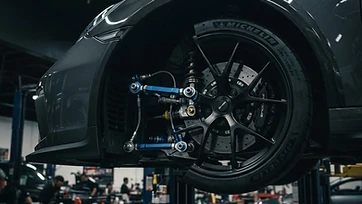
Tire Rotation Reality Check: Managing Directional, Staggered, and Non-Rotatable Setups
When you cannot rotate tires traditionally, suspension hardware must do the heavy lifting. Here is how to keep directional and staggered fitments wearing flat.


The Thermal Penalty: How Summer Heat Distorts Wheel Pressures, Suspension Geometry, and Grip
When asphalt hits 150°F, low-profile performance setups undergo severe pressure creep, damper fade, and accelerated tread shear. Here is how to keep your chassis dialed.

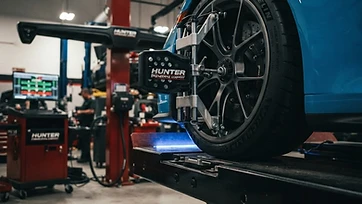
Beyond the Spin: Suspension Geometry, Alignment Angles, and the Upgraded Wheel Assembly
Wheel balancing stops rotation shake, but alignment dictates how your tires meet the pavement. Here is how camber, caster, toe, and modified suspension geometry protect your rolling investment.

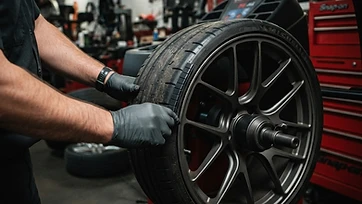
Beyond the Bubble: The Tech's Guide to Wheel Balancing, Stick-On Weights, and Road Force
Tire vibration at 60 mph isn't always bad rubber. Here is how static vs. dynamic balancing, clip-on vs. adhesive weights, and road-force match-mounting actually cure ride-quality gremlins.

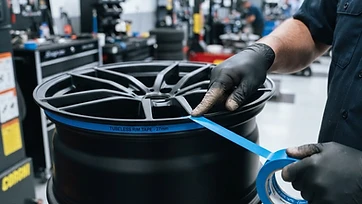
The Airtight Truth: A Tech’s Guide to Tube vs. Tubeless Wheel Systems
Understanding the critical differences between tube-type and tubeless rims is essential for safety and performance. This guide breaks down sealing tech, repair protocols, and when you can—or shouldn't—convert your setup.

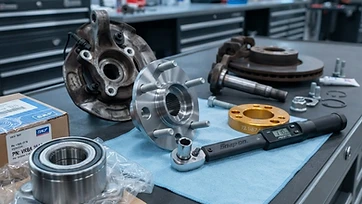
The Lever Effect: Why Wheel Offset and Hardware Choice Dictate Bearing Life
Changing your wheel offset does more than just fill out the fenders; it fundamentally alters the load physics of your hub. Learn how to diagnose bearing wear and protect your suspension hardware.


The 45-Degree Pivot: A Tech’s Guide to Seasonal Performance Suspension and Wheel Care
Don't let road salt seize your coilovers or cold snaps flatten your performance rubber. Learn the professional way to transition your track-ready setup through the changing seasons.

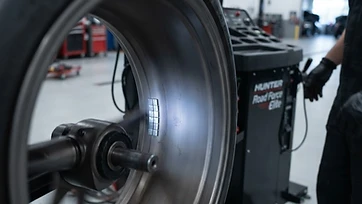
The Balancing Act: Why Your Wheels Need More Than Just a Spin
A deep dive into the physics of wheel balancing, from the limitations of static weights to the precision of road-force diagnostics.

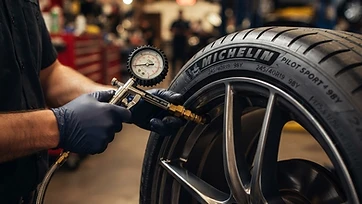
The Air-Tight Truth: Why Tubeless Tires Changed Everything
From the shop floor to the highway, understanding the difference between tube-type and tubeless tires is critical for safety, repairability, and performance.


Zero Pressure, High Stakes: A Tech’s Guide to Run-Flat Wheels and the 50/50 Rule
Understand the mechanics, costs, and strict replacement rules of run-flat tires before you ditch your spare or swap your OEM wheels.


The Seal and the Stance: Why Tube vs. Tubeless Tech Changes Your Hardware Strategy
Understanding the shift from inner tubes to tubeless sealing is critical for modern suspension tuning. This guide covers how sealing methods impact your choice of camber plates, bushings, and alignment hardware.

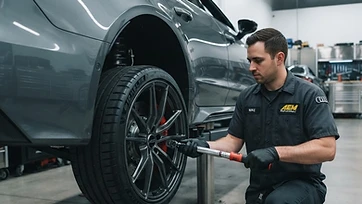
The Seasonal Shakeout: Protecting Your Performance Setup from Potholes and Pressure Drops
A high-performance suspension is only as good as its maintenance. Learn how to protect your coilovers and forged wheels from seasonal hazards with a professional-grade inspection routine.

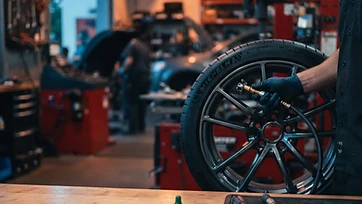
Beyond the Green Cap: The Physics of the Rotating Assembly and the Nitrogen Debate
A deep dive into the mechanics of the wheel-and-tire package, exploring how nitrogen inflation, unsprung mass, and assembly trueness impact real-world performance.

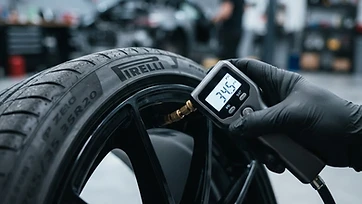
The Cold Truth: Why Your Tire Pressure Specs Only Matter Before You Drive
Stop chasing your tire pressure gauge after a highway run. Learn why 'cold' inflation is the only industry standard and how to manage pressure shifts caused by heat and weather.

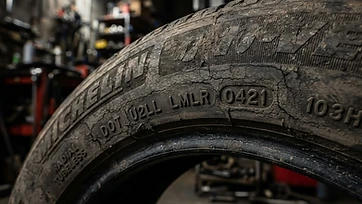
The Ticking Clock on Your Rims: Why Low Mileage Doesn’t Mean Safe Rubber
Think low mileage means your tires are safe? Learn how to decode DOT dates, spot dry rot, and understand why age—not just wear—is the silent killer of aftermarket and OEM setups.

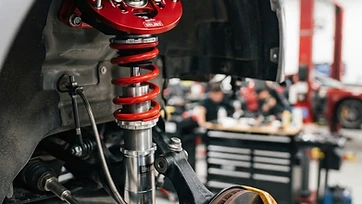
Dialing It In: Why Your Suspension Hardware Dictates Your Alignment
Alignment isn't just a shop service; it's a relationship between your suspension geometry and the road. Learn how hardware upgrades impact your handling and why your car demands a reset after every major change.


The Last 1% of Performance: A Tech’s Guide to Precision Wheel Balancing
You’ve dialed in your coilovers and picked the perfect forged wheels, but a standard balance won't cut it. Here is why road-force balancing and proper weight selection are non-negotiable for a high-performance track setup.

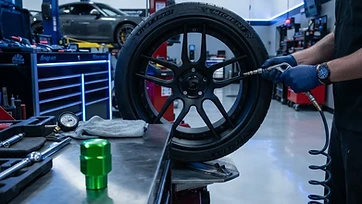
The Green Cap Debate: Is Nitrogen Inflation Worth It for Your Aftermarket Wheels?
We break down the physics of nitrogen vs. compressed air, helping you decide if that $5-per-tire upgrade actually protects your investment or if it's just hot air.

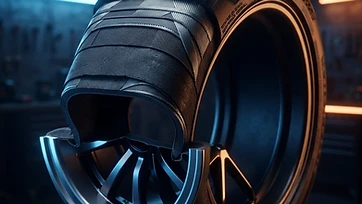
The Run-Flat Reality: Engineering, Tradeoffs, and the 'No-Repair' Rule
Understand the reinforced sidewall technology keeping you off the shoulder, and why that convenience comes with specific replacement rules and ride quality costs.

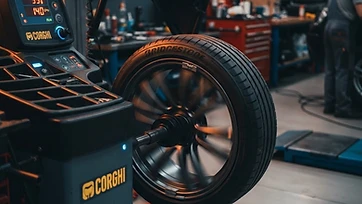
The Airtight Truth: Mastering the Modern Rotating Assembly
Understand the critical differences between tube and tubeless systems, how unsprung mass dictates your ride quality, and why a perfectly balanced wheel assembly is more than just a lead weight.

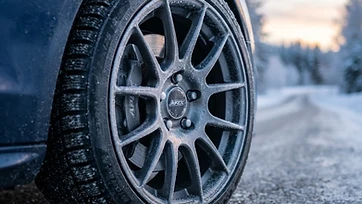
The Winter Wheel Audit: Why Your Rotating Assembly Fails Below 45°F
Learn how cold-soak pressure loss, rubber hardening, and salt corrosion impact your vehicle's unsprung mass and safety during the winter months.


The Physics of Grip: Why Cold Inflation Pressure Dictates Your Suspension’s Performance
Setting your tire pressure isn't just about the door jamb sticker; it's about understanding how heat and physics affect your alignment and suspension hardware.

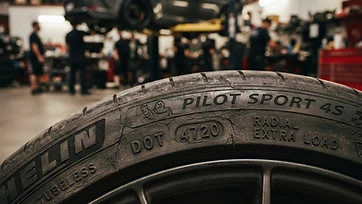
The Expiration Date You Can't See: Why Age Trumps Tread on Performance Rubber
Don't let deep tread fool you. Learn how to decode DOT stamps and identify dry rot before your 'garage queen' or track build faces a catastrophic blowout.

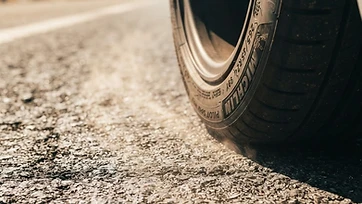
The 10-Degree Rule: Managing Tire Pressure and Failure Risk in Summer Heat
High pavement temperatures don't just wear down your tread—they fundamentally change your tire's internal pressure and structural integrity. Learn how to spot heat-related risks before they lead to a roadside blowout.

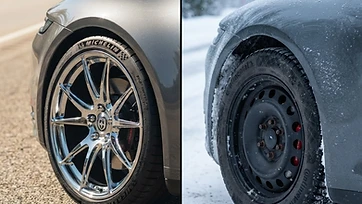
The Seasonal Swap: A Tech’s Guide to Wheels, Fitment, and the 45-Degree Rule
Master the science of seasonal wheel changeovers, from understanding the 1 PSI temperature rule to choosing the right bolt patterns for your winter set.

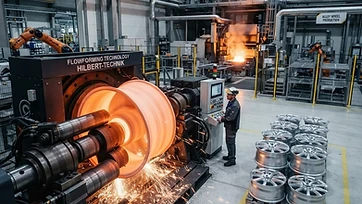
How Aluminum Rims Are Built
Casting, flow forming, and forging — the three ways aluminum wheels are made, and how each one changes a rim's strength, weight, and price.