The 45-Degree Pivot: A Tech’s Guide to Seasonal Performance Suspension and Wheel Care
Don't let road salt seize your coilovers or cold snaps flatten your performance rubber. Learn the professional way to transition your track-ready setup through the changing seasons.
Shop suspension
Browse sport suspension parts
Shop this article
Browse sport suspension
Crown Automotive Wheel Spacer Set (2), 5 on 5.5"
$178.5

Wheel Spacers 5x112 12mm 66.6mm Hub Centric fits Mercedes
$4.5

Original Gorilla Lock Set - Acorn Bulge - 3/4" Hex - 1/2"-20 Thread Size - Chrome Finish - Set of 5 (71481NB5)
$45

McGard 27226 Chrome Bolt Style Cone Seat Wheel Lock Set (M14 x 1.25)
$44.99
The 45-Degree Threshold: When to Swap
In the shop, we see two types of performance drivers: those who treat their car like a seasonal tool and those who try to defy physics. If you are running high-performance summer tires, your deadline isn't the first snowfall—it is the first time the thermometer hits 45°F.
According to Tire Rack, summer rubber compounds begin to lose their elasticity and grip significantly as temperatures drop toward 40°F. This isn't just about traction; it is about structural integrity. Driving on summer tires in near-freezing temperatures can cause "compound cracking," which is often considered non-warrantable damage. For drivers in the Northeast and Midwest—a demographic that makes up a massive portion of the AWD performance market (think WRX and Golf R owners)—this transition usually happens in late October.
The Physics of Pressure: The 1 PSI Rule
One of the most common calls we get in November is about the TPMS light. Here is the rule of thumb you can take to the bank: Tire pressure changes by approximately 1 PSI for every 10°F change in ambient temperature.
This happens because air is a gas that expands when heated and contracts when cooled. If you set your pressures to 35 PSI during a 75°F track day in September, and then a cold front drops the morning temp to 35°F in November, your tires are now sitting at roughly 31 PSI. While that might seem minor, the NHTSA notes that under-inflated tires are a leading cause of tire failure and reduced fuel economy. For a performance setup, that 4 PSI drop also softens your sidewall response, making your steering feel muddy and imprecise.
Winterizing Your Stance: Coilovers and Road Salt
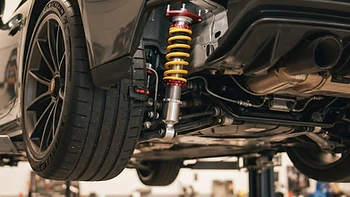
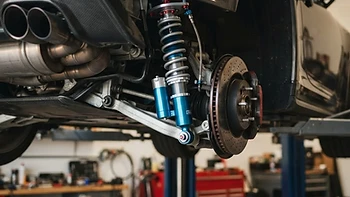
If you are running an adjustable coilover setup, winter is your greatest enemy—not because of the snow, but because of the salt and brine. Road salt is highly corrosive to the aluminum locking collars and steel shock bodies found on most aftermarket kits.
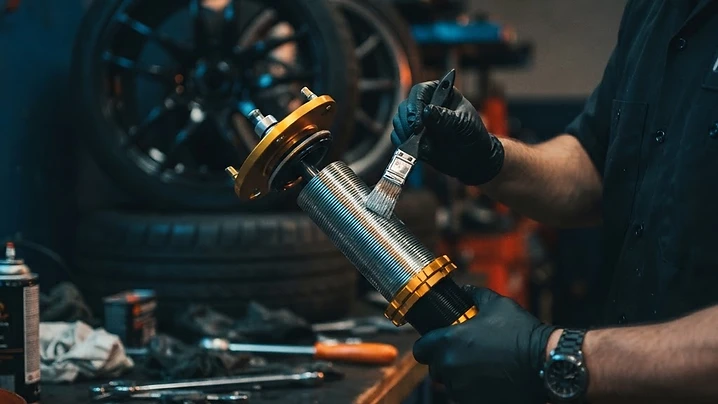
Before the first salt truck hits the road, you need to perform a "thread lockdown." Clean the coilover threads thoroughly with a wire brush and brake cleaner, then apply a liberal coating of specialized coilover protectant or a high-quality anti-seize lubricant. ISC Suspension recommends using a "tec wax" or Boeshield T-9 spray to create a hydrophobic barrier. If you skip this, you’ll likely find your collars seized solid by March, turning your $2,000 adjustable suspension into a fixed-height paperweight.
Off-Season Storage: Protecting Your Investment
When you pull your summer wheels off, don't just stack them in the corner of a damp shed. Performance wheels and tires are sensitive to environmental degradation.
- Clean and Dry: Wash off all brake dust immediately. Brake dust is corrosive; if left on a wheel for six months in a humid garage, it can pit the clear coat or finish of a forged wheel.
- The UV Factor: Rubber is susceptible to ozone and UV damage. Store your tires in a cool, dry, climate-controlled environment. Michelin suggests using airtight plastic bags (like large lawn bags) to prevent the evaporation of essential oils within the rubber compound.
- Positioning: If the tires are mounted on wheels, store them stacked horizontally or hanging by the rim. If they are unmounted, store them standing vertically to prevent casing distortion.
Seasonal Performance Specs Reference
| Metric | Summer/Track Setup | Winter/Storage Setup | | :--- | :--- | :--- | | Target Temperature | 70°F+ | Below 45°F | | Tire Pressure (Cold) | 32–35 PSI (Typical) | +2 to +4 PSI over door placard | | Min. Tread Depth | 2/32" (Legal Min) | 4/32" to 6/32" (Safety Min) | | Alignment Focus | Maximize Contact Patch | Neutral Toe (Minimize Wear) | | Hardware Care | Dry Wipe / Inspection | Anti-Seize / Wax Barrier |
What to do next
- Check your tread depth: Use a dedicated gauge to ensure you have at least 4/32" of tread for winter tires; anything less won't effectively clear slush.
- Calibrate your gauge: Don't trust the gas station air pump. Buy a high-quality digital or dial gauge to track that 1 PSI per 10°F shift accurately.
- Inspect your boots: While the wheels are off, check your CV boots and shock dust boots for tears. Cold weather makes old rubber brittle, and a small tear in November becomes a failed joint by January.
- Torque to spec: When swapping wheels, always use a torque wrench. Most passenger cars require between 80 and 100 lb-ft. Over-tightening in the fall can lead to warped rotors or snapped studs when you try to remove them in the spring.
Find wheels for your car
Pick your make and model — we'll show you every wheel that fits your bolt pattern.
Get notified when new wheels are listed
New listings drop daily. Be the first to know when wheels for your car hit the marketplace. No spam, unsubscribe anytime.
Related listings
Browse sport suspensionCrown Automotive Wheel Spacer Set (2), 5 on 5.5"
$178.5
Wheel Spacers 5x112 12mm 66.6mm Hub Centric fits Mercedes
$4.5
Original Gorilla Lock Set - Acorn Bulge - 3/4" Hex - 1/2"-20 Thread Size - Chrome Finish - Set of 5 (71481NB5)
$45
McGard 27226 Chrome Bolt Style Cone Seat Wheel Lock Set (M14 x 1.25)
$44.99
Keep reading

Spring Rate, Wheel Rate, and Motion Ratio: The Number on the Spring Isn't the Whole Story
7 min
Sway Bars and Chassis Bracing: Tightening Up the Handling
5 min
Coilovers 101: What to Know Before You Drop Your Ride
6 min