UTQG Ratings Demystified: Treadwear, Traction, and Temperature
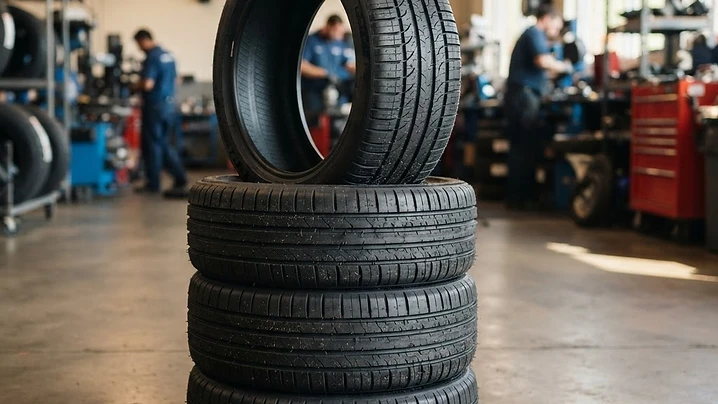
The 500 A A on your tire sidewall is a standardized grading system — but it is not as simple as higher is better. Here is what each rating actually tests.
Shop tires
Browse all available tires
Shop this article
Browse all tires
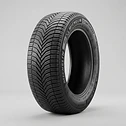
UTQG Ratings Demystified: Treadwear, Traction, and Temperature
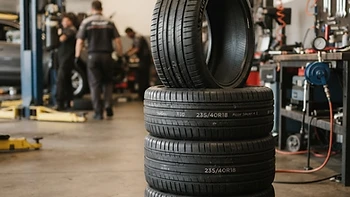
The Uniform Tire Quality Grade (UTQG) is the standardized rating system molded into every tire sidewall sold in the US. It appears as a string like 500 A A — three ratings that describe treadwear, traction, and temperature performance. Here is what they actually mean.
Treadwear (The Number)
The first number is the treadwear grade — a relative wear rating. The scale is indexed to 100, which represents a reference tire tested under controlled conditions.
- 300 treadwear = the tire wears at approximately 1/3 the rate of the reference tire
- 500 treadwear = approximately 1/5 the rate
- 200 treadwear = 2x the wear rate of the reference tire
What It Means in Practice
Higher numbers last longer. A 500 treadwear tire should outlast a 300 treadwear tire by roughly 66%, all else equal. But UTQG is a comparison rating, not an absolute mileage prediction — and tire manufacturers run their own tests, so comparisons across brands are imprecise.
The Track Tire Trap
Ultra-high-performance tires often have very low treadwear numbers (140, 200) because they use soft, grippy compounds that wear faster. A 200 treadwear tire will grip far better than a 500 treadwear touring tire — but it will need replacing in 15,000 miles instead of 50,000.
Traction (The First Letter)
The second rating is a letter grade for wet braking traction: AA, A, B, or C.
- AA = best wet traction
- A = very good (most premium tires)
- B = acceptable
- C = minimum pass
This measures only straight-line wet braking from 40 mph. It does not test dry traction, cornering grip, or hydroplaning resistance.
Temperature (The Second Letter)
The third rating grades the tire's resistance to heat buildup: A, B, or C.
- A = best heat dissipation
- B = good
- C = minimum pass
Heat is what kills tires at speed. A C-rated tire run at sustained highway speeds in hot weather is a blowout risk. Most passenger tires are A or B rated.
How to Use UTQG
UTQG is most useful for comparing tires within the same brand — the test methodology is consistent. Cross-brand comparisons are directional, not precise.
For a daily driver, look for 400+ treadwear, A traction, A temperature. For a performance build, expect 200-300 treadwear, AA or A traction, A temperature. For a track car, the UTQG numbers are less relevant than the compound and construction.
Find wheels for your car
Pick your make and model — we'll show you every wheel that fits your bolt pattern.
Get notified when new wheels are listed
New listings drop daily. Be the first to know when wheels for your car hit the marketplace. No spam, unsubscribe anytime.