The Snug Fit Test: How to Verify Your Hub-Centric Rings Before You Hit the Road
Don't trust the box—learn how to physically verify the fitment of your hub-centric rings to prevent highway-speed vibrations and hardware stress.
Why Verification is Non-Negotiable
When you buy aftermarket wheels, they often come with a "universal" center bore—usually 73.1mm or 78.1mm—designed to fit a wide range of vehicles Hub-Centric Rings Explained. To bridge the gap to your specific vehicle's hub pilot, you use hub-centric rings. However, relying solely on the numbers printed on the packaging is a common mistake. A manufacturing tolerance error of just 0.1mm can be the difference between a smooth ride and a steering wheel that shakes violently at 60 mph Why Your Steering Wheel Shakes After New Wheels or Tires.
The Two-Stage Fitment Test
Before you mount your tires, perform these two physical checks to ensure your rings are actually doing their job.
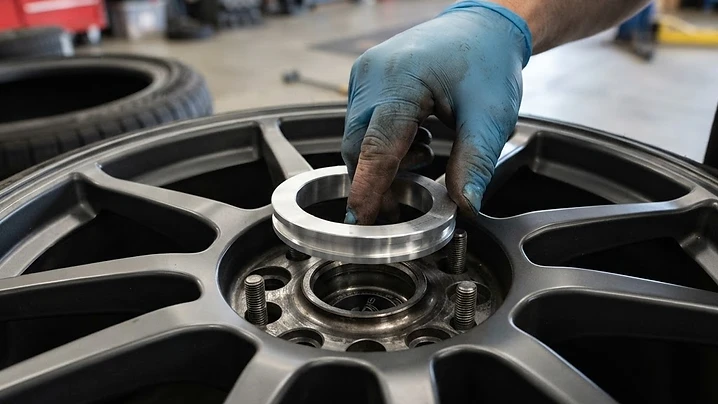
1. The Wheel-Side Seat
Press the ring into the back of the wheel's center bore. It should seat firmly with a satisfying "pop" or require light thumb pressure How to Install Hub Centric Rings.
- The Fail: If the ring falls out when you flip the wheel over, the outer diameter (OD) is too small.
- The Fix: Verify your wheel's bore spec; some brands use proprietary sizes like 72.56mm instead of the standard 73.1mm.
2. The Hub-Side Slide
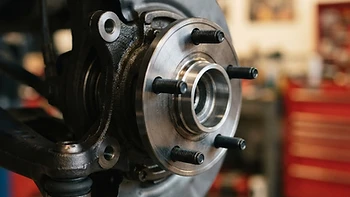
Before putting the ring in the wheel, slide it directly onto your vehicle's hub pilot.
- The Goal: The ring should slide on smoothly but have zero perceptible "wiggle" once seated against the hub face.
- The Warning: If there is any play, the inner diameter (ID) is incorrect. Even a tiny gap allows the wheel to sit off-center, leading to lug-centric vibration Hub-Centric vs Lug-Centric Wheels.
Preparing the Mating Surfaces
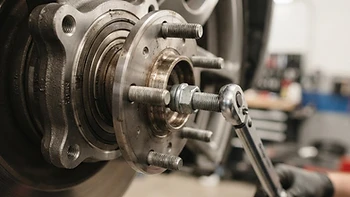
A common reason for a "bad fit" isn't the ring itself, but the surface it sits on. Corrosion and road salt build-up on the hub pilot can make a correctly sized ring feel too tight Tech Tip: Be Sure to Clean All Rust and Corrosion from Hub and Rotor Mating Surface.
- Clean the Hub: Use a wire brush to remove rust until the metal is bright PSA: Get out there and clean your wheel/hub surfaces.
- Avoid Heavy Grease: While a tiny amount of anti-seize on the hub pilot can prevent the ring from seizing, never grease the flat mating face where the wheel meets the rotor Wheel Hub Mating Face - Don't Grease. This surface relies on friction to maintain clamping force.
The Final Mount
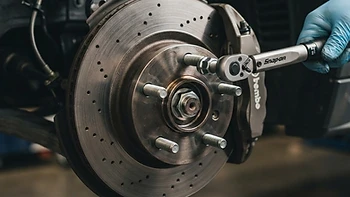
Once verified, insert the rings into the wheels first, then mount the assembly onto the car. Hand-tighten your lugs in a star pattern while the wheel is still off the ground to ensure the ring centers the bore perfectly before the full weight of the vehicle is applied How to Install Hub Centric Rings.
Find wheels for your car
Pick your make and model — we'll show you every wheel that fits your bolt pattern.
Get notified when new wheels are listed
New listings drop daily. Be the first to know when wheels for your car hit the marketplace. No spam, unsubscribe anytime.