The Seasonal Performance Audit: A Buyer’s Checklist for Year-Round Grip
Stop guessing if your tires can handle the cold. Learn the technical differences between M+S and 3PMSF ratings to choose the right compound for your climate.
Shop tires
Browse all available tires
Shop this article
Browse all tires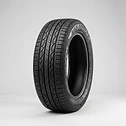
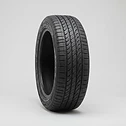
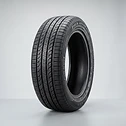
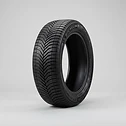
Choosing tires for a build often comes down to aesthetics and fitment, but the technical reality of rubber compounds is what keeps you on the road. For enthusiasts shopping on marketplaces like RimRevival, the biggest mistake is overestimating the 'All-Season' label. This guide provides a technical checklist to ensure your next set matches your local climate and driving style.
The 45-Degree Threshold
Rubber is a thermal material. Summer and many standard all-season compounds begin to harden and lose mechanical grip when temperatures drop below 45°F (7°C). Even on dry pavement, a high-performance summer tire becomes brittle and prone to 'glass cracking' in the cold. If your region stays below this threshold for months, you need to look beyond the tread pattern and into the compound's glass transition temperature.
Decoding the 'Snowflake' vs. 'M+S'
When browsing listings, you will see two primary winter-capability markers. They are not created equal:
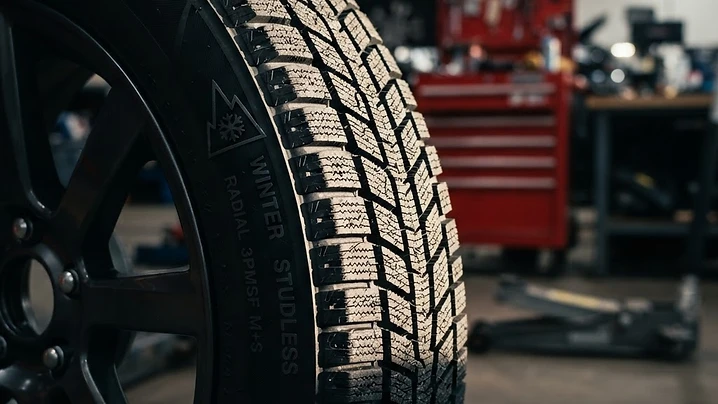
- M+S (Mud and Snow): This is a geometry-based rating. It simply means the tire has a certain percentage of open space in the tread pattern. It does not guarantee performance in actual ice or packed snow.
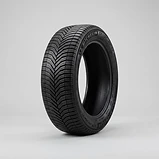
- 3PMSF (Three-Peak Mountain Snowflake): This is a performance-based rating. To earn this, a tire must pass a standardized traction test on packed snow.
For those who want a single set of tires year-round but live in light-snow regions, search specifically for 'All-Weather' tires (which carry the 3PMSF symbol) rather than standard 'All-Season' tires.
Tread Geometry: Directional vs. Asymmetric
Your choice of tread pattern should be dictated by your maintenance habits and weather needs:
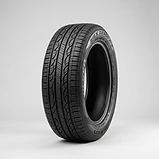
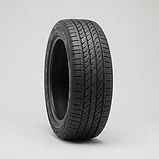
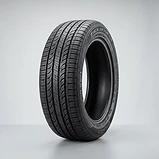
- Directional Patterns: Often found on winter and ultra-high-performance (UHP) tires, these feature a V-shaped design optimized for pumping water and slush away from the contact patch. Note: These can only be rotated front-to-back, not side-to-side.
- Asymmetric Patterns: These feature different tread blocks on the inner and outer shoulders. The outer shoulder usually has larger blocks for cornering stability, while the inner side is optimized for wet grip. These are ideal for staggered fitments where side-to-side rotation is the only option.
The Online Buyer’s Final Inspection
Before hitting 'checkout' on a set of tires, run through this technical checklist:
- Verify the DOT Code: Ask the seller for a photo of the 4-digit date code. Even if the tread is 100%, rubber older than six years is chemically degrading.
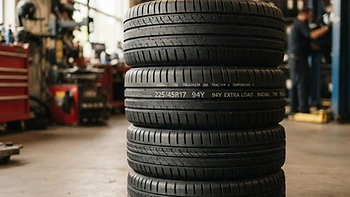
- Match the Speed Rating: Ensure the tire’s speed rating (e.g., V, W, or Y) meets or exceeds your vehicle’s factory requirements to maintain handling characteristics.
- Check for Siping: If you drive in icy conditions, look for high-density siping (small slits in the tread blocks). These provide the 'biting edges' necessary for ice traction that large tread blocks lack.
Find wheels for your car
Pick your make and model — we'll show you every wheel that fits your bolt pattern.
Get notified when new wheels are listed
New listings drop daily. Be the first to know when wheels for your car hit the marketplace. No spam, unsubscribe anytime.