The Role of the Hub Centric Lip in Load Distribution
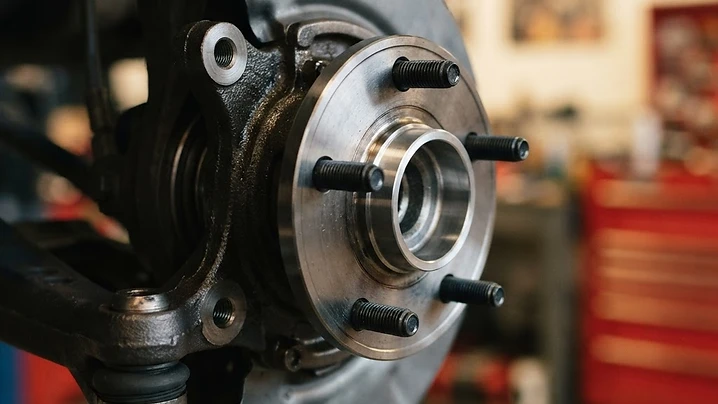
The hub centric lip does more than center the wheel — it carries the vehicle's weight. Here is what happens when it is bypassed and why it is critical.
The Role of the Hub Centric Lip in Load Distribution
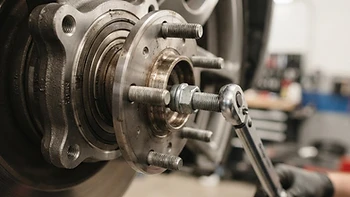
The hub centric lip (or hub pilot) is the raised ring on the hub that matches the center bore of the wheel. It is not decorative — it plays a critical role in how the load is distributed between the wheel and the hub.
What It Does
The hub centric lip centers the wheel on the hub before the lug nuts are torqued. Without it, the wheel is centered only by the lug nuts — and the lug nuts were not designed for centering.
Lug nuts are designed for clamping force — pressing the wheel flat against the hub face. The hub centric lip handles radial load — the weight of the car pushing down through the wheel. This division of labor is what makes the system safe.
What Happens Without It
If the hub lip is missing, damaged, or the wheel bore is too large for the hub (requiring hub centric rings that are not installed), the lug studs take the entire load — including shear forces they were not designed to carry.
The studs flex under load. The wheel micro-shifts on the hub with every bump. Over time:
- The lug holes in the wheel oval out
- The studs fatigue and can snap
- The wheel loosens despite correct torque
This is why running lug-centric (no hub pilot) on a hub that was designed for hub-centric mounting is dangerous.
Hub Centric Rings
When you install aftermarket wheels with a larger center bore than your hub, hub centric rings fill the gap. The ring's inner diameter matches the hub lip; the outer diameter matches the wheel bore.
Material
- Plastic/polyurethane — fine for street use. They do not corrode and are cheap.
- Aluminum — stronger, more durable, preferred for heavy vehicles or track use.
When Rings Are Not Enough
If the hub lip itself is damaged (bent, corroded, or machined down), hub centric rings will not fix the problem. The lip needs to be intact and round for the system to work.
How to Check
- With the wheel off, inspect the hub lip for corrosion, dents, or wear.
- Test-fit the wheel without lug nuts — it should sit centered on the lip, not shift.
- If the wheel bore is larger than the lip, install the correct hub centric rings.
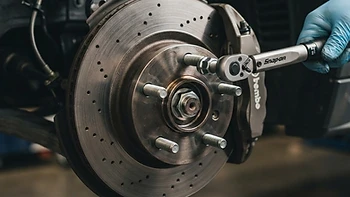
- Torque the lug nuts in a star pattern to spec — the clamping force and the lip work together.
The Takeaway
The hub centric lip carries the vehicle weight; the lug nuts provide clamping force. Both are needed. If the lip is bypassed — by missing rings, a damaged hub, or the wrong wheels — the studs do a job they were never designed for, and the wheel can loosen or fail.
Find wheels for your car
Pick your make and model — we'll show you every wheel that fits your bolt pattern.
Get notified when new wheels are listed
New listings drop daily. Be the first to know when wheels for your car hit the marketplace. No spam, unsubscribe anytime.