The 10-Degree Rule: Managing Tire Pressure and Failure Risk in Summer Heat
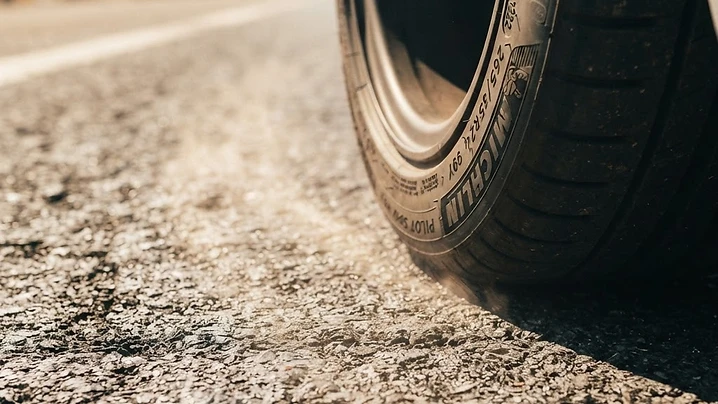
High pavement temperatures don't just wear down your tread—they fundamentally change your tire's internal pressure and structural integrity. Learn how to spot heat-related risks before they lead to a roadside blowout.
Shop tires
Browse all available tires
Shop this article
Browse all tires
Why Summer is Harder on Rubber Than Winter
I’ve spent years in the shop, and every July, the same thing happens: the bays fill up with blowouts and shredded tread. Most drivers think winter is the 'tire season' because of snow and ice, but heat is the silent killer of rubber. When the ambient temperature hits 90°F, the pavement temperature can easily soar to 140°F or higher. That heat doesn't just sit there; it migrates into your tires, changing their chemistry and their physics.
The Rule of Thumb: The 1 PSI Shift
Here is the most important number you need to know: For every 10°F change in ambient temperature, your tire pressure changes by approximately 1 PSI (or about 2% according to Tire Rack).
This is based on Gay-Lussac’s Law, which states that the pressure of a gas is directly proportional to its temperature. In the summer, this works against you in two ways. First, the air inside the tire expands as it heats up, increasing pressure. Second, the friction of the tire against hot asphalt generates even more internal heat.
| Ambient Temp (°F) | Internal Tire Pressure (PSI) | Condition | | :--- | :--- | :--- | | 70°F | 35 PSI | Baseline (Cold) | | 90°F | 37 PSI | Hot Ambient | | 110°F | 39 PSI | Extreme Heat | | 110°F + Highway Speed | 42-45 PSI | Operating Temp |
The Danger of Over-Inflation and Heat Soak
While AAA notes that modern tires are built to handle some pressure fluctuation, excessive heat softens the rubber compounds. If you are running on tires that are already over-inflated, the center of the tread will bulge and wear out prematurely.
More dangerously, heat causes the internal structure to weaken. According to McCarthy Tire Service, tire failures in summer often stem from heat buildup that causes the rubber to separate from the steel belts. Once that bond breaks, a catastrophic blowout is inevitable. This is especially true for the "Sun Belt" states (Arizona, Texas, Florida) where tires age faster due to UV exposure and sustained high road temps.
Reading the DOT Date Code: Why Age Matters in the Heat
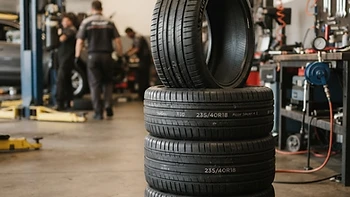
Heat accelerates the oxidation of rubber. A tire might have plenty of tread left, but if the rubber is old, it becomes brittle and prone to "dry rot." Before you head out on a summer road trip, check the DOT Date Code on the sidewall.
Look for a four-digit number at the end of the DOT string. The first two digits are the week of manufacture, and the last two are the year. For example, "2219" means the tire was made in the 22nd week of 2019. Most manufacturers and Consumer Reports recommend replacing tires every six years, regardless of tread depth, because the internal structural integrity degrades over time—a process that summer heat speeds up significantly.
Summer vs. Winter vs. All-Season
If you’re still running winter tires in July, you’re throwing money away. Winter tires use a high-silica compound designed to stay soft below 45°F. When used in summer heat, that rubber becomes "greasy" and can wear down up to 60% faster than a standard all-season tire (Continental Tires).
For the best performance on RimRevival, look for:
- Summer Tires: Optimized for grip above 45°F with stiffer sidewalls to resist heat-related flexing.
- All-Season Tires: A compromise that works for most US climates but may struggle in extreme 100°F+ heat under heavy loads.
Buying Guide: What to Look For
When shopping for replacements on the RimRevival marketplace, don't just look at the price. Check the Treadwear Rating (UTQG). A higher number (e.g., 600) lasts longer but might offer less grip than a performance tire (e.g., 200). Also, ensure the Load Index matches your vehicle's requirements; an overloaded tire generates more heat, increasing the risk of failure.
What to do next
- Check pressure in the morning: Always measure "cold" pressure before you drive. If the placard on your door jamb says 35 PSI, that is the morning target, not the mid-afternoon highway target.
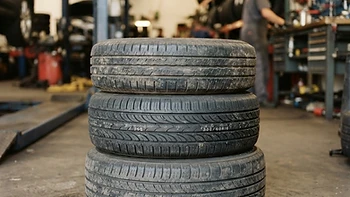
- Inspect for 'Checking': Look for tiny cracks in the sidewall (dry rot). If you see them, the heat has already compromised the rubber.
- Measure your tread: Use a depth gauge. While the legal limit is 2/32", I recommend at least 4/32" for summer driving to help dissipate heat and handle sudden summer downpours.
- Verify the DOT code: If your tires are older than 6 years, the summer heat is a major risk factor for tread separation.
- Don't 'bleed' air: If you check your tires mid-trip and they read high, do not let air out. They are supposed to be higher when hot. Bleeding them will lead to under-inflation once they cool down, which causes even more heat buildup.
Find wheels for your car
Pick your make and model — we'll show you every wheel that fits your bolt pattern.
Get notified when new wheels are listed
New listings drop daily. Be the first to know when wheels for your car hit the marketplace. No spam, unsubscribe anytime.