The EV Wheel Upgrade Checklist: Balancing Load Rating with Unsprung Weight

Don't risk a structural failure for the sake of aesthetics. Learn how to verify load ratings and manufacturing methods when shopping for EV-specific wheels.
Shop EV tires
Browse EV-rated tires
The Heavy Reality of EV Upgrades
Car enthusiasts often bring a "lighter is better" mindset from the internal combustion world. While reducing unsprung weight improves suspension response and makes a vehicle feel sharper off the line [4], electric vehicles (EVs) present a unique engineering challenge: they are significantly heavier than gas cars, often by 20% or more due to battery mass [22].
This means a wheel that was perfectly safe for a BMW 3-Series might suffer structural fatigue or failure on a Tesla Model 3. When shopping the RimRevival marketplace, use this checklist to ensure your upgrade is both a performance gain and a safety win.
1. Verify the Load Rating (The Non-Negotiable)
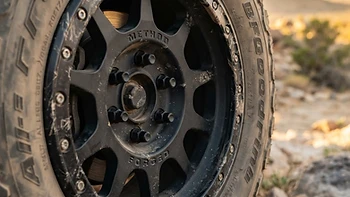
The most common mistake is ignoring the load rating in favor of weight savings. Because of massive battery packs, EVs exert constant high pressure on the wheel structure, especially during high-torque launches [24].
- Check the GVWR: Look at your vehicle's door jamb for the Gross Vehicle Weight Rating.
- Per-Wheel Capacity: Ensure the wheel is rated for at least 25% of the GVWR. For heavy SUVs like the Rivian R1S or Hummer EV, you need wheels specifically tested for high-mass applications.
- Dynamic Loads: Remember that cornering and hitting potholes at speed multiplies the force on the wheel. A wheel with a marginal load rating is a liability.
2. Choose the Right Manufacturing Process
To reduce unsprung weight without sacrificing the strength needed for a 5,000-lb sedan, the manufacturing method matters more than the design.
- Cast Wheels: Generally the heaviest and weakest. While affordable, they often require more material (adding weight) to meet EV load requirements.
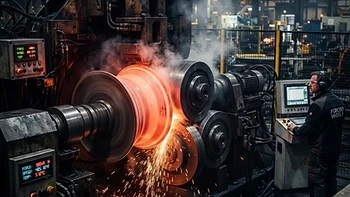
- Flow-Formed: A middle ground where the barrel is forged under heat and pressure. This creates a stronger, lighter rim than standard casting.
- Forged Wheels: The gold standard for EVs. Forging compresses the grain structure of the aluminum, allowing for a wheel that is both significantly lighter and stronger than any other type [4].
3. Match with "HL" Rated Tires
If you are buying a wheel and tire package, check the tire sidewall for the "HL" (High Load) marking [19]. Modern EVs often require these specialized tires to handle the vehicle's weight without premature sidewall collapse or accelerated tread wear [23]. Using a standard load tire on a heavy EV can lead to a blowout, regardless of how high-end your wheels are.
4. The Aero-Weight Compromise
Lighter wheels often feature thin, open-spoke designs that increase aerodynamic drag. To maximize your investment:
- Look for Aero-Inserts: Some performance wheels offer removable plastic or carbon fiber inserts. This allows you to have a lightweight, open-spoke look for local driving and high-efficiency aero covers for long-distance highway trips [11].
- Flat-Face Designs: Modern "Aero-style" forged wheels provide the best of both worlds: low mass and reduced turbulence.
Buyer’s Pro-Tip
Before clicking "buy," always ask the vendor for the specific load rating in kilograms or pounds. If a wheel is marketed as "universal" but doesn't list a load rating, it likely wasn't engineered for the unique stresses of an electric drivetrain.
Find wheels for your car
Pick your make and model — we'll show you every wheel that fits your bolt pattern.
Get notified when new wheels are listed
New listings drop daily. Be the first to know when wheels for your car hit the marketplace. No spam, unsubscribe anytime.