The Take-Off Audit: How to Source High-Performance Rubber Without the New-Tire Premium
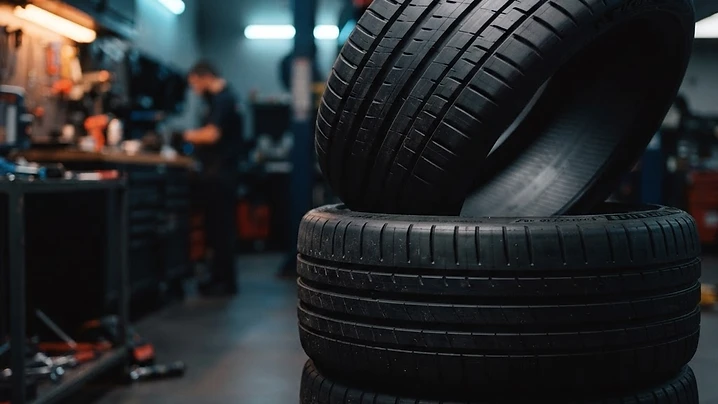
Learn how to navigate the marketplace for 'take-off' tires to score premium compounds at a fraction of the cost while avoiding common safety pitfalls.
Shop tires
Browse all available tires
Shop this article
Browse all tires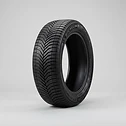
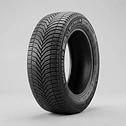
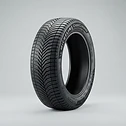
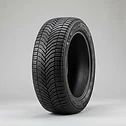
Mastering the Marketplace for Performance Tires
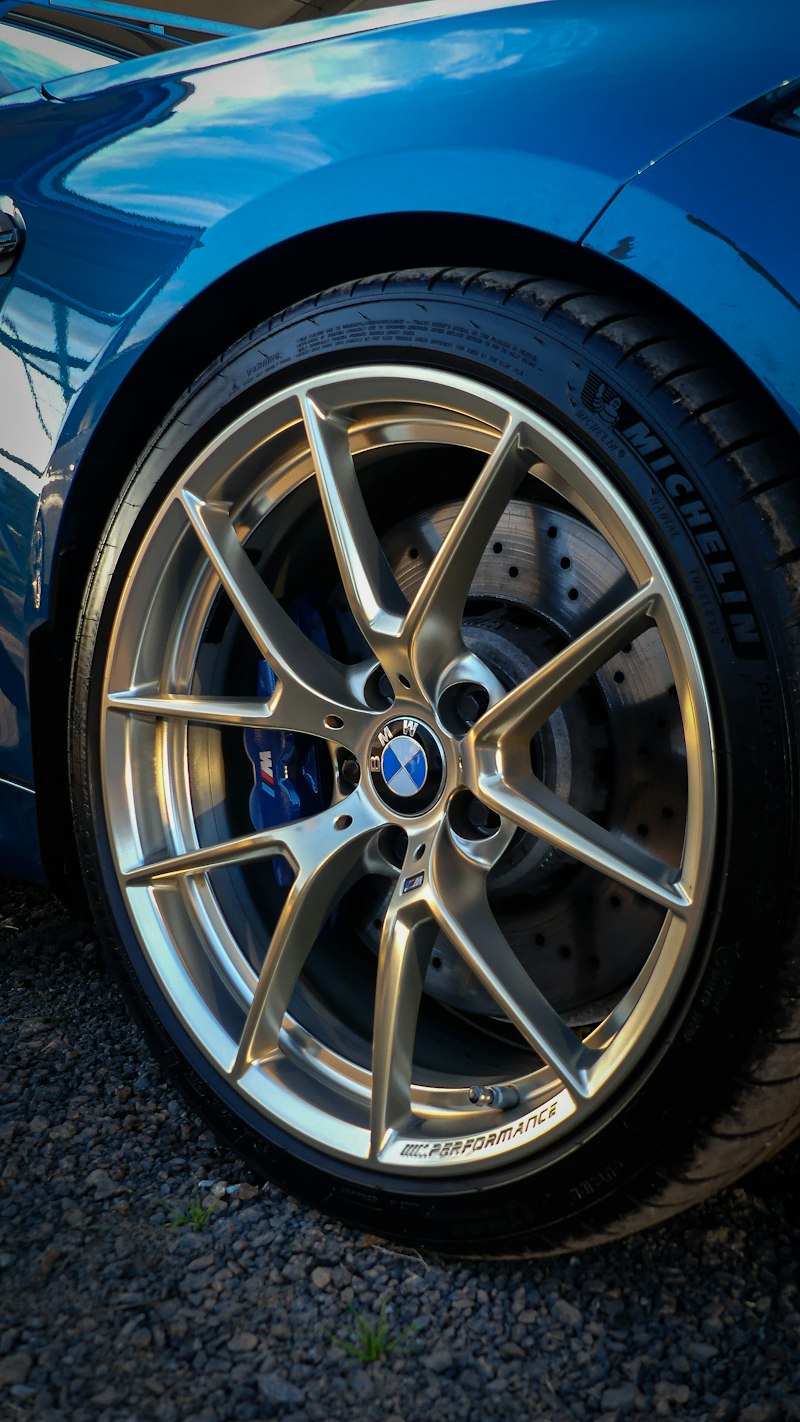
For most enthusiasts on RimRevival, the wheels are the statement, but the tires are the strategy. While buying brand-new rubber is the simplest route, the savvy builder often looks toward "take-offs"—tires removed from vehicles shortly after delivery to make room for upgrades. This approach can land you a set of Michelin Pilot Sports or Bridgestone Potenzas at a 40-60% discount, but it requires a disciplined inspection process to ensure you aren't buying someone else's headache.
1. The 50% Rule for Tread Depth
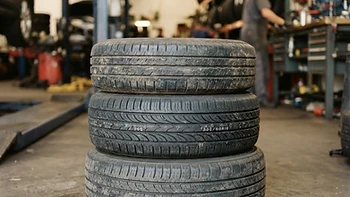
When browsing listings, look for depth measurements in 32nds of an inch. A new performance tire typically starts at 9/32" or 10/32".
- The Trap: Avoid buying anything at 4/32" or below. While technically legal, performance tires lose their ability to evacuate water exponentially as they wear.
- The Tip: Request a photo of a tread depth gauge in the center and outer ribs. Uneven wear suggests the previous owner ran incorrect alignment or pressures, which will cause vibration on your build.
2. Inspecting the Bead for Dismount Damage
This is the most overlooked aspect of buying used tires online. Unlike a new tire, a take-off has already been mounted and stretched onto a rim. If the technician was careless with the tire machine, the inner bead (the rubber-coated wire that seals against the wheel) might be torn or kinked.
- Actionable Tip: Ask the seller for a high-res photo of the inner beads. Any visible metal wire or deep gouges in the rubber seating surface mean the tire may never balance correctly or could suffer from slow leaks.
3. The Compound Texture Test
A tire can have plenty of tread but be "heat-cycled out" or hardened from improper storage. Even if the DOT date code is recent, tires stored in freezing sheds or direct sunlight lose their plasticizers.
- The Check: If buying in person, press your thumbnail into the tread blocks. It should feel resilient and slightly tacky. If it feels like hard plastic or shows micro-cracking (dry rot) between the tread blocks, walk away. The grip levels will be unpredictable, regardless of the brand name on the sidewall.
4. Matching the Tread Pattern to Your Climate
Don't let a low price lure you into the wrong category.
- Summer Performance: Look for large, solid outer shoulder blocks. These provide maximum contact during cornering but turn into "hockey pucks" below 45°F.
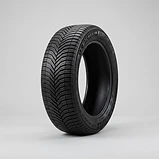
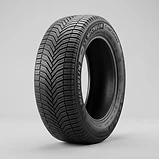
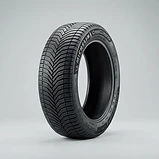
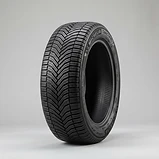
- All-Season/Ultra-High Performance (UHP): Look for more siping (small slits) and a higher void ratio.
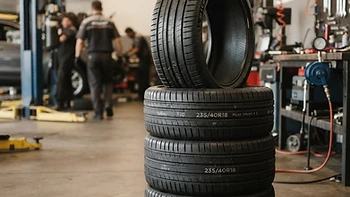
Before hitting 'Buy,' verify that the load index and speed rating of the take-off tires meet or exceed your vehicle’s factory requirements. A deal isn't a deal if the tires can't handle your car's weight or top-end capabilities.
Find wheels for your car
Pick your make and model — we'll show you every wheel that fits your bolt pattern.
Get notified when new wheels are listed
New listings drop daily. Be the first to know when wheels for your car hit the marketplace. No spam, unsubscribe anytime.