The Three-Peak Standard: Why 'All-Season' Tires Might Fail Your Daily Build
Don't let the 'All-Season' label fool you. Learn the critical difference between M+S and 3PMSF ratings to ensure your project car stays on the road when temperatures drop.
Shop tires
Browse all available tires
Shop this article
Browse all tires
The 45-Degree Rule
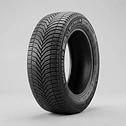
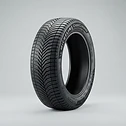
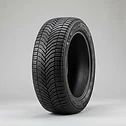
For many enthusiasts, the 'All-Season' label is a default choice for a daily-driven project. However, there is a technical threshold that most of these tires cannot cross: 45°F (7°C). According to Michelin USA, once temperatures drop below this point, the rubber compounds in standard all-season and summer tires begin to harden. This 'glass transition' significantly reduces grip, even on bone-dry pavement.
If your build needs to handle genuine winter conditions without a dedicated seasonal swap, you need to look beyond the generic labels and understand the specific certifications found on the sidewall.
M+S vs. 3PMSF: Know the Difference
When browsing the RimRevival marketplace, you will see two primary winter-related markings. They are not created equal:
- M+S (Mud and Snow): This rating is based almost entirely on tread geometry. As noted by Michelin USA, M+S markings are not based on a certified performance test. They simply indicate that the tread has a certain percentage of open space to channel debris.
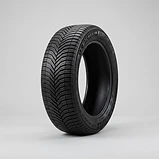
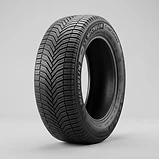
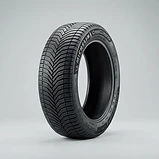
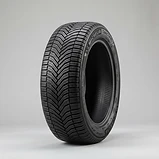
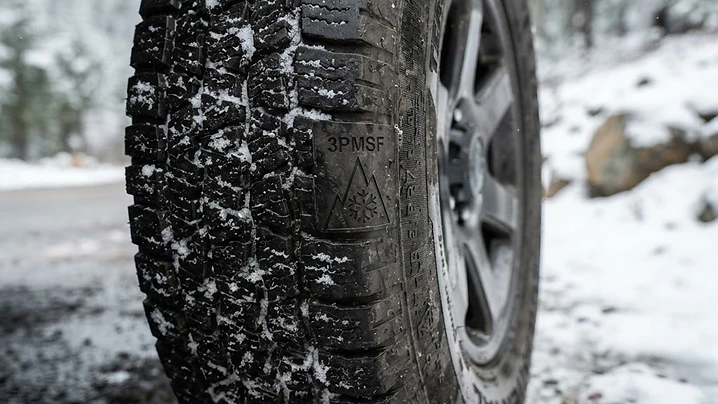
- 3PMSF (Three-Peak Mountain Snowflake): This is the gold standard for year-round builds. To earn this symbol, a tire must pass a standardized traction test in severe snow conditions. Unlike basic all-season tires, 'All-Weather' tires with the 3PMSF symbol use specialized compounds that remain flexible in sub-zero temperatures while maintaining durability in the summer.
Tread Patterns for the Modern Enthusiast
Your choice of tread pattern dictates how your car communicates with the road. Commercial Tire identifies three main categories:
- Symmetrical: Mirror-image patterns that allow for easy rotation and long life, ideal for daily commuters.
- Asymmetrical: Different patterns on the inner and outer shoulders. The outer blocks are usually larger for cornering stability, while the inner blocks channel water.
- Directional: V-shaped patterns designed to pump water out from under the footprint. These are excellent for wet-weather performance but can only be rotated front-to-back.
Marketplace Verification: The DOT Code
When buying tires online, always request a photo of the DOT date code. This four-digit number (e.g., '3020') tells you the week and year of manufacture. As Counterman points out, tires degrade over time regardless of tread depth. Even if a tire looks brand new, a code older than six years indicates the rubber may be losing its structural integrity.
Buyer’s Checklist for Year-Round Grip
- Check the Symbol: If you live in a region with snow, prioritize tires with the Three-Peak Mountain Snowflake (3PMSF) over basic M+S.
- Verify the Date: Ensure the DOT code is within a 3-4 year window for maximum service life.
- Match the Axle: Never mix different tread patterns on the same axle, as this can cause unpredictable handling during emergency braking Continental Tires.
- Compound Over Tread: Remember that for winter safety, the flexibility of the rubber compound is just as important as the depth of the grooves.
Find wheels for your car
Pick your make and model — we'll show you every wheel that fits your bolt pattern.
Get notified when new wheels are listed
New listings drop daily. Be the first to know when wheels for your car hit the marketplace. No spam, unsubscribe anytime.