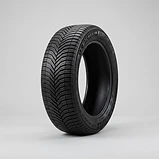
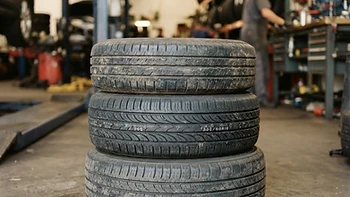
The 'New Old Stock' Trap: Why Your 'New' Tires Might Already Be Expired

Buying tires online often leads to 'New Old Stock' deals. Learn how to decode the DOT date and why rubber age is just as critical as tread depth for safety.
Shop tires
Browse all available tires
Shop this article
Browse all tires
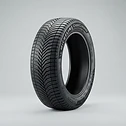
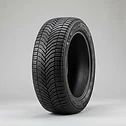
The Hidden Shelf Life of Performance Rubber
When browsing the RimRevival marketplace for a specific tire size or a discontinued tread pattern, it is easy to get distracted by a "brand new" label. However, in the automotive world, "new" only refers to the tread depth, not the physical integrity of the tire. Rubber is an organic compound that begins to degrade the moment it leaves the factory, regardless of whether it has ever touched the pavement.
For enthusiasts, this creates the "New Old Stock" (NOS) trap: buying a tire that has sat in a warehouse for five years. While the tread looks pristine, the internal chemical bonds have likely begun to break down through a process called oxidation.
Decoding the Birth Certificate
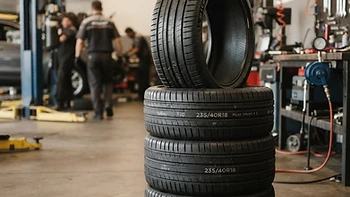
Every tire sold in the United States features a "birth certificate" embossed on the sidewall: the DOT code. While the first few characters identify the manufacturing plant and size, the final four digits are the most critical for online buyers [16][19].
- The First Two Digits: Represent the week of manufacture (01 through 52).
- The Last Two Digits: Represent the year of manufacture.
For example, a code ending in 1221 means the tire was produced in the 12th week of 2021. If you are buying performance tires today, a code from 2018 or earlier should be a major red flag, even if the stickers are still on the tread.
Why Age Trumps Tread Depth
As tires age, the oils that keep the rubber supple evaporate. This is particularly dangerous for seasonal tires. Winter tires rely on a high natural rubber content to remain flexible in temperatures below 45°F [22][24]. When these tires age, they harden, losing their ability to "interlock" with the road surface, effectively turning your winter setup into a set of hockey pucks.
Similarly, high-performance summer tires with aggressive, shallow tread patterns rely on "sticky" compounds to provide grip [1]. An aged summer tire may look fine but will suffer from "dry rot"—micro-cracks in the sidewall and between tread blocks—that can lead to catastrophic failure under high-speed heat cycles.
The RimRevival Buyer’s Checklist
To ensure you are getting a safe, high-performance product, use this checklist before hitting the "Buy" button:
- Request a DOT Photo: Never buy a tire online without a clear photo of the four-digit date code. If the seller won't provide it, walk away.
- The 6-Year Rule: Most manufacturers recommend replacing tires six years from the date of manufacture, regardless of tread wear [19]. Aim for stock that is less than two years old for maximum longevity.
- Check the Compound: If you are buying winter tires, ensure they carry the Three-Peak Mountain Snowflake (3PMSF) symbol, and verify the rubber still feels relatively soft to a thumbnail pressure test [22].
- Inspect the Grooves: Look for "checking" or tiny cracks in the base of the tread grooves, a sure sign of an aged-out tire [9].
Find wheels for your car
Pick your make and model — we'll show you every wheel that fits your bolt pattern.
Get notified when new wheels are listed
New listings drop daily. Be the first to know when wheels for your car hit the marketplace. No spam, unsubscribe anytime.