The OEM+ Compatibility Matrix: How to Safely Swap Wheels Between Different Car Brands
Learn the technical requirements for cross-brand wheel swapping, from center bore variances to hardware conversions, so you can score the perfect set of factory rims from another make.
Shop rims
Browse all available wheels
Shop this article
Browse all rims


The Allure of the Cross-Brand Swap
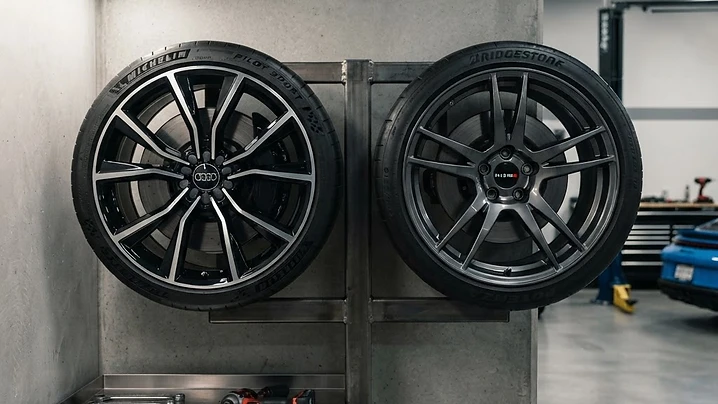
In the world of "OEM+ tuning," enthusiasts often look beyond their own brand’s catalog. You might find a set of forged Audi wheels that look perfect on a Volkswagen, or high-offset wheels from a late-model Mustang that seem ideal for your Nissan Z. While these "cross-brand" swaps can result in a unique look for a fraction of the cost of aftermarket forged wheels, they aren't always a direct bolt-on.
Before you pull the trigger on a marketplace deal for wheels from a different manufacturer, you must verify three critical compatibility factors that go beyond simple bolt patterns.
1. The Center Bore Mismatch
Even if two cars share a 5x112 bolt pattern, their center bores (the hole in the middle of the wheel) are often different.
- Scenario A (Hub-Centric Rings): If the new wheel has a larger center bore than your car's hub (e.g., putting a 73.1mm bore wheel on a 56.1mm hub), you must use hub-centric rings. Without them, the wheel is centered only by the lugs, leading to high-speed vibrations and potential stud failure.
- Scenario B (The No-Go): If the wheel's center bore is smaller than your car's hub, the wheel will not sit flush against the brake rotor. Never attempt to machine or "grind out" a center bore to make it fit; this compromises the wheel's structural integrity.
2. The Bolt vs. Stud Dilemma
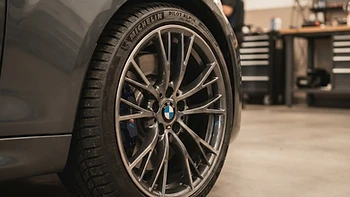
European manufacturers (BMW, Mercedes, VW/Audi) typically use lug bolts, where the bolt threads directly into the hub. Most Japanese and American manufacturers use lug studs pressed into the hub, secured with lug nuts.
If you are putting a "stud-design" wheel on a "bolt-design" car, you must ensure the lug holes in the wheel are wide enough to accommodate the bolt head and that the seat type (conical vs. ball) matches your hardware. Conversely, if putting European wheels on a stud-based car, verify the stud diameter (e.g., M12 vs M14) fits through the wheel's mounting holes.
3. Brake Caliper Profiles
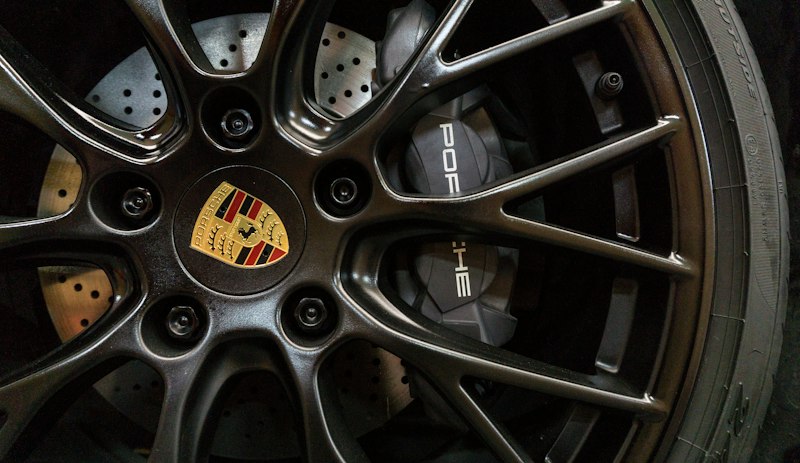
OEM wheels are engineered to clear specific brake calipers. A wheel from a base-model car might have the correct bolt pattern for a performance-trim vehicle but lack the "spoke curvature" to clear larger multi-piston calipers. Always check the "backpad" thickness of the donor wheel. If the spokes are too flat, they will strike the caliper even if the offset (ET) is technically correct.
Expert Buying Tips
- Research the Donor: Use a PCD (Pitch Circle Diameter) database to check the donor car's center bore and offset before meeting the seller.
- Verify Thread Pitch: If you need new lugs for the swap, ensure the thread pitch matches your vehicle’s hub, not the car the wheels came from.
- Calculate the Gap: Use an online calculator to see how the new wheel’s width and offset will change your "strut-to-rim" clearance compared to your current setup.
Find wheels for your car
Pick your make and model — we'll show you every wheel that fits your bolt pattern.
Get notified when new wheels are listed
New listings drop daily. Be the first to know when wheels for your car hit the marketplace. No spam, unsubscribe anytime.