Patch vs Plug: The Right Way to Repair a Punctured Tire

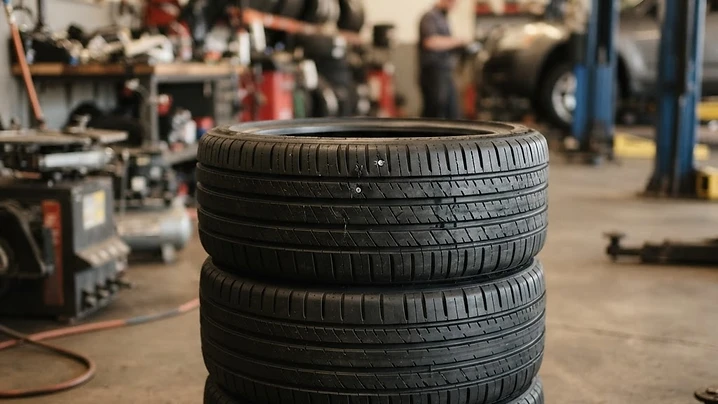
A roadside plug is a temporary fix, not a repair. The only safe, permanent method is a combination plug-and-patch done from inside the tire — and here is why.
Patch vs Plug: The Right Way to Repair a Punctured Tire
A nail in your tire does not always mean replacement. But the repair method matters — and the wrong repair can cause a blowout. Here is the difference between a plug, a patch, and a proper combination repair.
The Plug: Quick but Incomplete
A tire plug is a rubber-coated strip pushed into the puncture from the outside. It is fast, cheap, and can be done roadside without removing the tire from the wheel.
The Problem
A plug only seals the hole — it does not seal the inner liner. Air can migrate through the tire casing around the plug, causing slow leaks or sidewall separation. It is also blind — you cannot inspect the inside of the tire for secondary damage.
When a Plug Is Acceptable
Only for small punctures (under 1/4 inch) in the center of the tread, as a temporary fix to get to a tire shop. A plug alone is not a permanent, safe repair.
The Patch: Internal but Incomplete
A patch is applied to the inside of the tire after it is dismounted from the wheel. It covers the puncture from the inside and seals the inner liner.
The Problem
A patch seals the inside but does not fill the hole through the tread. Water and debris can still enter the puncture channel, causing rust on the steel belts and eventual failure.
The Combination Repair: The Only Proper Fix
A proper tire repair combines both: the tire is dismounted, the inside is inspected for damage, the puncture is cleaned and reamed, a rubber stem is pulled through from the inside to fill the channel, and a patch is applied over it on the inner liner.
This is called a combination plug-and-patch (or a one-piece repair unit). It is the only repair method approved by the Tire Industry Association and every major tire manufacturer.
What Cannot Be Repaired
- Sidewall punctures — the sidewall flexes; any repair will fail.
- Punctures larger than 1/4 inch — too much structural damage.
- Punctures near each other — two repairs within 2 inches compromise the tire.
- Punctures on the shoulder — the transition zone between tread and sidewall.
- A tire driven flat — the inner liner is likely shredded from running flat.
The Takeaway
If you get a puncture, insist on a combination repair — tire off the wheel, internal inspection, plug-and-patch. A $15 roadside plug is not a repair; it is a temporary fix. The proper repair costs $25-40 and is safe for the life of the tire.