Understanding Bolt Pattern Conversion Adapters
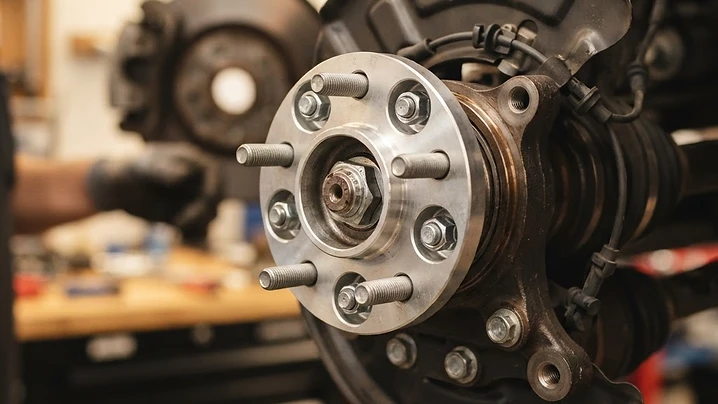
Adapters let you run wheels with the wrong bolt pattern — but they always change your offset and add a structural failure point. Here is how to use them safely.
Understanding Bolt Pattern Conversion Adapters
Bolt pattern adapters (also called bolt pattern spacers or adapters) let you mount a wheel with one bolt pattern onto a hub with a different one. They are a useful tool — and a potential danger if misunderstood.
What They Do
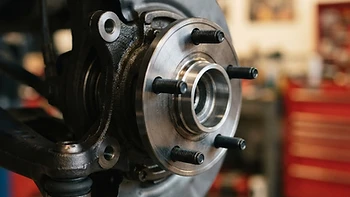
An adapter bolts to your hub using the hub's bolt pattern, then presents a different bolt pattern on its outer face for the wheel to bolt onto. For example, a 5x114.3-to-5x120 adapter bolts to a 5x114.3 hub and gives you 5x120 wheel studs.
How Thick Are They?
Adapters are always at least as thick as the stud length on the hub side — typically 15-30mm minimum. That means every adapter pushes the wheel outward by at least that amount, changing your offset and potentially causing fender clearance issues.
This is the most important number to understand: an adapter is never zero thickness. It always widens the track and moves the wheel outward.
The Offset Math
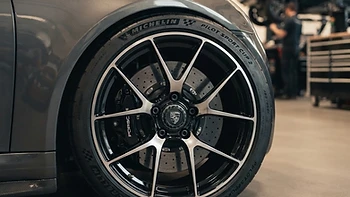
If your wheels are ET45 and you add 20mm adapters, the effective offset becomes ET25. That is a dramatic change — 20mm further out. On many cars, that causes fender rubbing. You need to account for the adapter thickness when choosing wheel offset.
Safety Considerations
Material
Quality adapters are CNC-machined from 6061-T6 aluminum. Cheap adapters are cast or low-grade alloy. Cast adapters can crack under load. Only buy adapters from reputable manufacturers — the adapter is a structural component holding your wheel on.
Stud Length
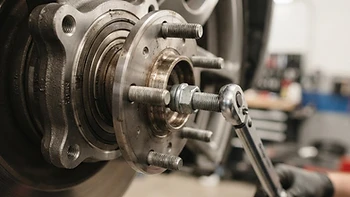
The hub studs need to fully engage the adapter. If your studs are longer than the adapter is thick, they bottom out in the adapter before it clamps the hub face. You either need shorter studs or the adapter needs recesses for the studs to pass through.
Torque
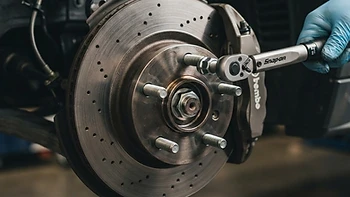
Adapters require two torque sequences: first, bolt the adapter to the hub; then bolt the wheel to the adapter. Both must be torqued to spec with a torque wrench, not an impact gun.
When Adapters Are Appropriate
- You found the perfect wheels at the wrong bolt pattern.
- You want to change bolt patterns without replacing hubs or wheels.
- You need a small track width increase.
When to Avoid Them
- On track cars — adapters add unsprung weight and a potential failure point.
- On heavy trucks — the shear load on the adapter is enormous.
- When the adapter thickness pushes the wheel past the fender — the offset change is too much.
The Alternative
The cleanest solution is always the correct bolt pattern. But if you must use adapters, buy quality, understand the offset change, and torque both sides properly. A poorly-installed adapter is not a maintenance issue — it is a wheel-loss risk.
Find wheels for your car
Pick your make and model — we'll show you every wheel that fits your bolt pattern.
Get notified when new wheels are listed
New listings drop daily. Be the first to know when wheels for your car hit the marketplace. No spam, unsubscribe anytime.