Decoding the Barrel: A Technical Guide to Rare Wheel Markings and Certifications
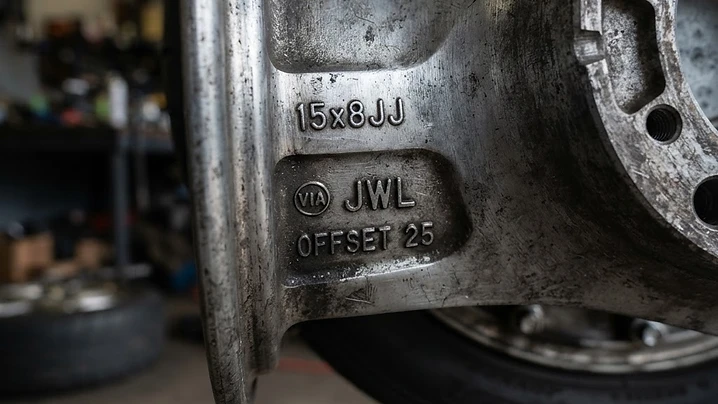
Learn how to read the JWL, VIA, and TÜV stamps on discontinued wheels to ensure your rare finds are authentic and structurally sound.
The Technical Language of Rare Wheels
When hunting for discontinued gems like the Konig BBomb or vintage BBS RS, the difference between a "grail" find and a dangerous paperweight is written directly into the metal. For enthusiasts shopping the secondary market, understanding the technical stamps and engravings on a wheel’s barrel or face is the only way to guarantee both authenticity and structural integrity.
The "Big Three" Safety Standards
Most reputable discontinued wheels, especially those from Japanese or European manufacturers, carry specific certification marks. If these are missing or look "soft" (poorly cast), it is a significant red flag.
- JWL (Japan Light Alloy Wheel Standard): This is a self-certification mark required for alloy wheels sold in Japan. It indicates the wheel has passed rigorous strength tests [15].
- VIA (Vehicle Inspection Association): While JWL is a manufacturer's claim, the VIA mark means an independent body has verified those tests. Seeing both JWL and VIA together is a hallmark of quality JDM wheels [15].
- TÜV: Common on European wheels like older BBS or Borbet sets, this German certification is one of the strictest in the world, covering both manufacturing quality and specific vehicle fitment [13].
Decoding Manufacturer Engravings
Authentic rare wheels often feature brand-specific details that counterfeiters struggle to replicate. For example, genuine BBS wheels frequently feature engravings around the lug holes and unique part numbers on the center caps [9].
When inspecting discontinued Konig models, such as the Afterburner or Centigram, look for sharp, clean detailing [1]. Counterfeit wheels often exhibit "casting bubbles," rough textures, or uneven edges where the metal was poured into a low-quality mold [5]. On multi-piece wheels, check the hardware quality; high-end brands like WORK use high-quality bolts, whereas replicas often use decorative, non-functional plastic rivets [18].
The Weight and Material Test
One of the most reliable ways to verify a rare wheel is its weight. Authentic performance alloys are engineered to be light to improve handling and fuel efficiency [5]. If a wheel feels unusually heavy for its size, it is likely a gravity-cast replica made from cheaper, denser materials rather than the high-quality forged or flow-formed alloy of the original [12, 17].
Pre-Purchase Technical Checklist
Before finalizing a deal on a discontinued set, verify these four technical points:
- Check the Barrel: Look for embossed (raised) or stamped serial numbers and QR codes. No serial often means no sale [5].
- Inspect the Finish: Authentic wheels have smooth, consistent finishes. Test the finish adhesion on an inconspicuous area of the inner barrel with isopropyl alcohol; genuine high-end finishes will not easily rub off [19].
- Verify the Logo: Look for deep, clean engravings. Fakes often use cheap vinyl stickers or poorly painted logos that fade over time [17, 18].
- Search the Database: Use manufacturer-provided discontinued lists to match the wheel’s design and specs to its production era [1, 8].
Find wheels for your car
Pick your make and model — we'll show you every wheel that fits your bolt pattern.
Get notified when new wheels are listed
New listings drop daily. Be the first to know when wheels for your car hit the marketplace. No spam, unsubscribe anytime.