The OE-Spec Secret: Why Those Tiny Sidewall Symbols Change Everything
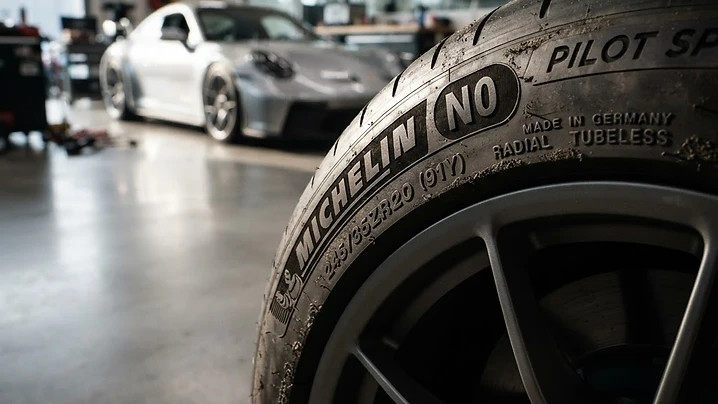
Discover why manufacturer-specific markings like 'Star Spec' or 'N-Rated' matter for your build and how to avoid the performance pitfalls of mixing compounds.
Shop tires
Browse all available tires
Shop this article
Browse all tires
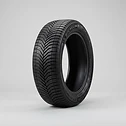
The Hidden Language of Homologation
When browsing for your next set of rubber, you will often see two tires that look identical—same brand, same model, same size—but one carries a slightly higher price tag and a cryptic symbol like a star, an "N0," or "MO." These are not just marketing badges; they are the marks of Original Equipment (OE) homologation. For enthusiasts, understanding these symbols is the difference between a car that feels factory-fresh and one that feels unsettled at the limit.
Not All Compounds Are Created Equal
A standard Michelin Pilot Sport 4S is a world-class tire. However, a "Star Spec" version of that same tire, designed specifically for a BMW M-car, may feature a completely different internal construction or rubber chemistry. Manufacturers often request specific tweaks to the base tire to complement a vehicle's unique chassis tuning:
- Stiffer Sidewalls: Designed to sharpen turn-in response for heavy performance sedans.
- Multi-Compound Treads: Using different rubber across the contact patch to balance wet grip with high-speed stability.
- Noise Reduction: Adding internal foam liners or altering tread pitch to meet luxury cabin requirements.
The Danger of the "Mixed Axle"
One of the most common mistakes enthusiasts make when buying replacements online is mixing an OE-spec tire with a standard version of the same model. Even if the tread pattern looks identical, the grip levels and heat cycles will differ. According to Tyre Dispatch, OE tires should not be mixed with non-OE versions because the compounds are different, which can significantly affect handling balance.
- Handling Imbalance: If your left rear is a Porsche "N-Rated" tire and your right rear is a standard off-the-shelf unit, the car may pull or feel unstable under heavy braking.
- AWD Sensitivity: On modern AWD systems, slight variations in rolling circumference between OE and non-OE tires can cause premature wear on differentials.
Buyer’s Checklist: When to Go OE-Spec
- Check Your Current Sidewalls: Look for symbols like ★ (BMW), N0-N4 (Porsche), MO (Mercedes), or AO (Audi).
- Match the Axle: If you are only replacing two tires, they must match the spec of the remaining two to maintain stability.
- Consider Your Goals: If you are doing a custom build with aftermarket coilovers, a standard "off-the-shelf" tire often provides a more predictable baseline than a tire tuned for a factory suspension setup you no longer have.
- Verify the DOT Code: Even OE-spec tires can sit in warehouses. Always check the four-digit date code to ensure you aren't buying "new" tires that are already several years old, as rubber begins to harden over time.
Find wheels for your car
Pick your make and model — we'll show you every wheel that fits your bolt pattern.
Get notified when new wheels are listed
New listings drop daily. Be the first to know when wheels for your car hit the marketplace. No spam, unsubscribe anytime.