The Seal and the Stance: Why Tube vs. Tubeless Tech Changes Your Hardware Strategy
Understanding the shift from inner tubes to tubeless sealing is critical for modern suspension tuning. This guide covers how sealing methods impact your choice of camber plates, bushings, and alignment hardware.
Shop accessories
Browse suspension & hardware
Shop this article
Browse suspension accessories
Crown Automotive Wheel Spacer Set (2), 5 on 5.5"
$178.5

Wheel Spacers 5x112 12mm 66.6mm Hub Centric fits Mercedes
$4.5

Original Gorilla Lock Set - Acorn Bulge - 3/4" Hex - 1/2"-20 Thread Size - Chrome Finish - Set of 5 (71481NB5)
$45

McGard 27226 Chrome Bolt Style Cone Seat Wheel Lock Set (M14 x 1.25)
$44.99
The Tech Shift: From Tubes to Tubeless
In the shop, I get asked all the time why we don't just throw a tube in a leaking tire. The answer lies in how modern automotive engineering has evolved. According to Tube vs Tubeless Tyres: What's the Difference?, the core difference is air retention: tube-type tires rely on a separate bladder, while tubeless tires use an airtight inner liner and a specialized rim bead. For cars, tubeless has been the standard since the mid-20th century because it runs cooler and is safer at highway speeds.
Why Sealing Matters for Your Suspension
When you move to a tubeless setup, you’re removing the friction between the tube and the tire carcass. This reduces heat, but it also changes the unsprung weight. In the cycling and off-road worlds, Tubeless Guide – Stan's notes that tubeless setups allow for running 7-10 PSI lower than tubed counterparts. In the automotive world, while we don't drop pressure that drastically for the street, the principle of the 'contact patch' remains. A tubeless tire deforms more predictably, which is exactly why your alignment hardware—like camber and caster plates—becomes so critical.
Dialing in the Hardware
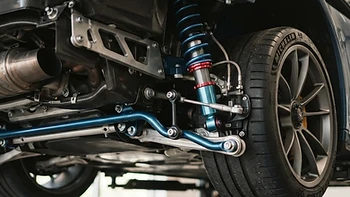
If you’ve lowered your car by more than 1 inch, factory hardware usually won't cut it. Camber Kits for Enhanced Vehicle Performance and Control – Black Ops Auto Works points out that most vehicles exceed factory specs beyond that 1-inch drop. This is where you need adjustable camber plates and alignment kits.
- Camber/Caster Plates: These allow you to adjust the tilt of the wheel. For a Jeep, for instance, OEM Alignment Specs notes OEM caster specs are often between 6.5 and 7.5 degrees. Aftermarket plates can offer +/- 1.50 degrees of additional correction.
- Bushings and End Links: Polyurethane bushings reduce deflection compared to stock rubber, keeping your alignment true under load. Sway-bar end links ensure that your anti-roll bars are neutral at ride height, preventing 'pre-load' that can mess with your corner weighting.
- Bump Stops and Strut Mounts: These protect your dampers. In a tubeless setup, the tire absorbs some initial impact, but the bump stop is your last line of defense.
The Rule of Thumb: The 10-Degree Pressure Shift
Here is a rule you can take to the bank: Adjust your tire pressure by 1 PSI for every 10°F change in ambient temperature.
Why? It’s basic physics (the Ideal Gas Law). As the air inside your tubeless tire cools, the molecules lose kinetic energy and take up less space, causing the pressure to drop. Conversely, heat increases pressure. If you set your alignment on a 90°F day and then hit a cold snap at 40°F, your tires are now 5 PSI low. That changes your effective rolling radius and can make your car feel 'darty' even if your hardware is tight.
Comparison of Sealing Systems
| Feature | Tube-Type | Tubeless | | :--- | :--- | :--- | | Sealing Method | Inner Tube | Airtight Liner/Sealant | | Heat Dissipation | Poor (Internal Friction) | Excellent | | Weight | Heavier (Tube + Tire) | Lighter | | Repair | Patch/Replace Tube | Plug or Liquid Sealant | | Common Use | Vintage/Heavy Duty | Modern Passenger/Performance |
Repair and Conversions
Converting a vintage rim to tubeless isn't just about the tire; it's about the seal. Tubeless Bike Tires: Time to Upgrade? mentions that conversion kits (sealant, tape, valves) usually run around $70 for high-end applications. For cars, this often involves specialized rim tape or even welding/sealing the rim bed on older multi-piece wheels. Repairing a tubeless tire is generally easier—a simple plug often does the trick—whereas a tube requires a full teardown.
What to do next
- Check your torque: Ensure all alignment hardware, especially camber plate bolts, are torqued to manufacturer specs (often 20-30 lb-ft for top nuts).
- Inspect your bushings: Look for cracking or 'mushrooming' in rubber bushings; if you see it, upgrade to polyurethane to maintain your alignment settings.
- Monitor PSI weekly: Use the 1 PSI per 10°F rule to anticipate pressure drops before the TPMS light comes on.
- Verify clearance: If using wheel spacers to clear larger brakes, ensure they are hub-centric to avoid vibration that can loosen your sway-bar hardware.
Find wheels for your car
Pick your make and model — we'll show you every wheel that fits your bolt pattern.
Get notified when new wheels are listed
New listings drop daily. Be the first to know when wheels for your car hit the marketplace. No spam, unsubscribe anytime.
Related listings
Browse suspension accessoriesCrown Automotive Wheel Spacer Set (2), 5 on 5.5"
$178.5
Wheel Spacers 5x112 12mm 66.6mm Hub Centric fits Mercedes
$4.5
Original Gorilla Lock Set - Acorn Bulge - 3/4" Hex - 1/2"-20 Thread Size - Chrome Finish - Set of 5 (71481NB5)
$45
McGard 27226 Chrome Bolt Style Cone Seat Wheel Lock Set (M14 x 1.25)
$44.99
Keep reading

Camber, Toe, and Alignment After a Drop: A Setup Guide
6 min
Spring Rate, Wheel Rate, and Motion Ratio: The Number on the Spring Isn't the Whole Story
7 min
Sway Bars and Chassis Bracing: Tightening Up the Handling
5 min