The Beadlock Maintenance Checklist: Keeping Your Rig Trail-Ready
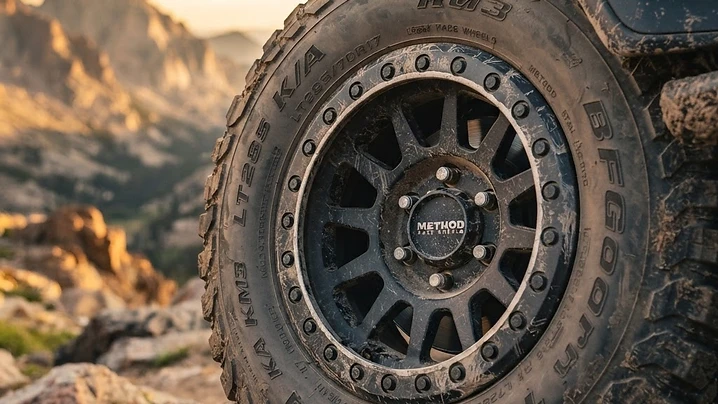
Beadlock wheels offer unmatched security at low PSI, but they require a strict maintenance routine to stay safe. Learn how to inspect, torque, and care for your beadlock hardware.
Shop off-road parts
Browse off-road gear
The Reality of Beadlock Ownership
If you have upgraded to true beadlock wheels, you have prioritized mechanical security over convenience. By physically clamping the tire bead to the wheel rim with a bolted ring, you can safely drop your tire pressure to 5–10 PSI for maximum traction on rocks and sand without the risk of de-beading. However, this performance comes with a "maintenance tax" that standard wheels do not require.
The Essential Maintenance Routine
Unlike standard wheels, which are "set and forget," beadlocks are multi-piece assemblies that rely on consistent bolt tension. Neglecting them can lead to air leaks, loose hardware, or even catastrophic failure on the trail.
- The 300-Mile Rule: After initial installation or any tire change, check your beadlock bolt torque after the first 300 miles. Hardware often settles as the rubber bead compresses, leading to a loss of tension.
- Use Anti-Seize: Always apply a high-quality anti-seize compound to the threads of your beadlock bolts during installation. This prevents galvanic corrosion between the steel bolts and aluminum wheel inserts, ensuring you can actually remove the bolts when it is time to replace a tire.
- Torque Patterns: Never tighten beadlock bolts in a circle. Use a star or cross-pattern, similar to tightening lug nuts, to ensure even pressure distribution around the ring. Consult your wheel manufacturer’s specific torque specifications—over-tightening can strip the threads in the wheel, while under-tightening will cause leaks.
- Visual Inspections: Before and after every major off-road trip, inspect the ring for rock rash or bent tabs. A damaged ring can create a gap that prevents a proper seal.
Cleaning and Care
Beadlock rings are magnets for mud, salt, and debris. If left to sit, these contaminants can corrode the hardware and the mating surfaces of the wheel.
- Mild Cleaning Only: Use only mild soap and water. Avoid harsh acid-based wheel cleaners or caustic chemicals, which can degrade the finish and weaken the metal over time.
- Rinse Thoroughly: After a muddy trail run, ensure you rinse behind the beadlock ring. Dried mud can hold moisture against the bolts, accelerating corrosion.
When to Seek Professional Help
If you notice a persistent slow leak that isn't caused by a puncture, or if you find multiple bolts that refuse to hold torque, it is time to disassemble the ring. Inspect the rubber bead for cuts and ensure the wheel's mating surface is clean. If you are uncomfortable with the process, take your rig to a shop that specializes in off-road builds; improper beadlock assembly is a safety risk that should not be taken lightly.
Find wheels for your car
Pick your make and model — we'll show you every wheel that fits your bolt pattern.
Get notified when new wheels are listed
New listings drop daily. Be the first to know when wheels for your car hit the marketplace. No spam, unsubscribe anytime.
Keep reading

Air Down for the Trail: Tire Pressure, Beadlocks, and Getting Back on the Pavement
7 min

Lift Kits Explained: Body Lift vs Suspension Lift
6 min

Winches and Recovery Gear: Pulling Yourself Out Without Bending the Truck
8 min
