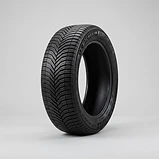
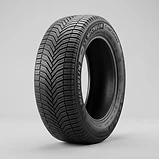
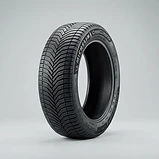
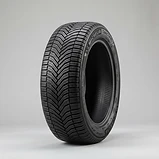
Tire Tread Depth: The 32nd-Inch Rule Every Buyer Should Know

Tread depth is measured in 32nds of an inch — and a few 32nds can be the difference between a safe tire and a dangerous one. Here's the rule every buyer should know.
Shop tires
Browse all available tires
Shop this article
Browse all tires
Why tread depth matters
Your tire's tread is what channels water away from the contact patch. As tread wears down, the tire loses its ability to clear water — and in wet conditions, that means hydroplaning, longer stopping distances, and less grip. A tire that looks "fine" can be genuinely dangerous in the rain.
How it's measured
In the US, tread depth is measured in 32nds of an inch. A brand-new passenger tire typically starts with 10/32" to 12/32 of tread.
The numbers to know
- 6/32" or more — good, plenty of life left.
- 4/32" to 5/32" — usable but getting close to replacement time. Fine for dry climates, less ideal for wet.
- 3/32" or less — replace it. Wet performance is now significantly compromised.
- 2/32" — the legal minimum in most US states. At this point a tire is considered legally worn out.
A quick test: slip a penny into the tread groove with Lincoln's head down. If you can see the top of Lincoln's head, the tread is at or below 2/32" and the tire is done. Use a quarter (Washington's head) for a 4/32" check.
Uneven wear is a red flag
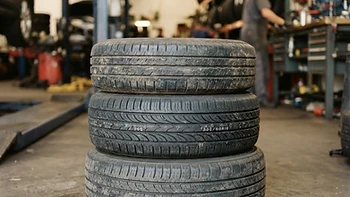
Depth at the center isn't the whole story. A tire can show 6/32" in the middle and 2/32" on one shoulder if the alignment, balance, or inflation was wrong. Always ask the seller for the lowest tread depth, not the average, and look for:
- Cupping — scalloped dips, usually a worn suspension or bad balance.
- Feathering / uneven wear — alignment or rotation issues.
- Center-only wear — chronic over-inflation.
A tire with great center tread but chewed-up shoulders is a tire with a hidden problem — and often a sign the rest of the car wasn't maintained either.
What RimRevival requires
Every tire listed on RimRevival must include the lowest measured tread depth in 32nds and a defect disclosure (cracking, bulges, punctures, plugs, patches, and more). That way you're not guessing from a flattering photo — you're getting the data that actually tells you whether a used tire is safe to mount.
Find wheels for your car
Pick your make and model — we'll show you every wheel that fits your bolt pattern.
Get notified when new wheels are listed
New listings drop daily. Be the first to know when wheels for your car hit the marketplace. No spam, unsubscribe anytime.