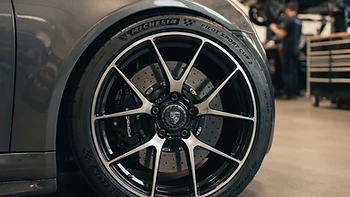
Winter Wheels: Why You Need a Dedicated Set
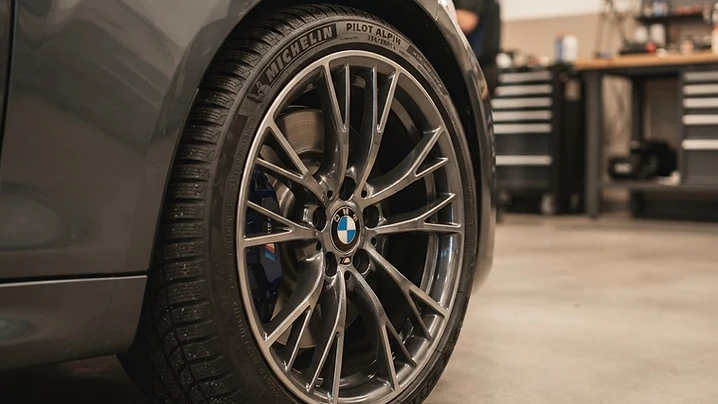
Running winter tires on a dedicated wheel set is cheaper than replacing your summer wheels every spring. Here is the case for a second set and how to choose them.
Shop rims
Browse all available wheels
Shop this article
Browse all rims


Winter Wheels: Why You Need a Dedicated Set
A dedicated winter wheel set is one of the smartest investments a driver in snow country can make. It is not just about the tires — the wheels themselves matter, and the economics work out better than most people think.
The Case for a Second Set
Tire Longevity
Winter tires have a softer compound designed for cold temperatures. Running them above 45°F wears them rapidly. Swapping them on and off your summer wheels twice a year also damages the tire beads and risks wheel scratches from repeated mounting.
A dedicated winter wheel set means you swap wheels in the driveway — no tire shop, no mounting fees, no bead damage.
Wheel Damage
Winter roads are brutal on wheels. Road salt, slush, ice, and hidden potholes chip, corrode, and bend wheels. If your summer wheels are expensive forged or chrome, winter is not the time to run them.
Time and Money
Mounting and balancing four tires twice a year costs $80-160 each time. Over three winters, that's $480-960 — more than the cost of a set of basic steel or alloy winter wheels.
Choosing Winter Wheels
Go Smaller
Winter wheels should be 1-2 inches smaller than your summer set. Smaller wheels mean taller tire sidewalls, which absorb impacts from potholes hidden under slush. A 17-inch winter tire on a 17-inch wheel absorbs far better than a 19-inch tire on a 19-inch wheel.
Go Steel or Basic Alloy
Steel wheels are the classic winter choice — cheap, heavy (but weight helps in snow), and nearly indestructible. They bend rather than crack, and they are cheap to replace. Basic cast alloy wheels are also fine if you do not mind cosmetic damage.
Narrower Tires
Narrower tires cut through snow to the pavement better than wide tires that float on top. If your summer set is 225 wide, go 205 or 195 for winter.
The TPMS Question
Most cars need TPMS sensors in each wheel set to avoid a dashboard warning. Budget TPMS sensors are $15-30 each; your tire shop can clone them to your car's frequency so both sets read correctly. Without TPMS, you get a persistent warning light all winter.
The Bottom Line
A dedicated winter wheel set pays for itself in mounting savings alone — and it protects your summer investment from salt, pothole, and curb damage. It is the single most cost-effective winter modification you can make.
Find wheels for your car
Pick your make and model — we'll show you every wheel that fits your bolt pattern.
Get notified when new wheels are listed
New listings drop daily. Be the first to know when wheels for your car hit the marketplace. No spam, unsubscribe anytime.