Brake Dust and EV Wheels: Corrosion on Regen Vehicles
EVs produce less brake dust but their brakes corrode from disuse. Here is how that affects your wheels, what to watch for, and how to maintain the brakes.
Shop EV tires
Browse EV-rated tires
Brake Dust and EV Wheels: Corrosion on Regen Vehicles
EVs use regenerative braking for most deceleration — which means the physical brakes are used less. Less brake use means less brake dust, which means cleaner wheels. But there is a hidden issue: corrosion on brakes that are not used regularly.
The Good News: Less Brake Dust
On an ICE car, the brake pads deposit material on the wheel every time you brake. This is brake dust — a mix of pad material, iron, and carbon. It accumulates on the wheel face and in the spokes, turning them black.
On an EV, regenerative braking handles most deceleration. The physical brakes are used only for hard stops, low-speed final braking, and emergency situations. The result is dramatically less brake dust — EV wheels stay clean longer.
This is a genuine benefit of EVs. EV owners spend less time cleaning wheels, and the wheels stay looking new longer.
The Bad News: Brake Corrosion
The downside is that the brakes are not being used — and brakes that are not used corrode.
How Brakes Corrode
Brake rotors are made of cast iron. Iron rusts when exposed to moisture and oxygen. On an ICE car, the brake pads scrape the rust off the rotor every time you brake — the friction cleans the surface.
On an EV, the brakes may sit unused for days or weeks. The rotors rust in that time. The rust is cosmetic at first — a light surface film — but it can progress to pitting if the brakes are not used.
Rust Jitters
When the brakes are finally used (an emergency stop, a steep descent), the pads scrape the rust off the rotors. This produces:
- A grinding noise — the pads scraping the rust.
- Brake pedal pulsation — uneven rust removal produces a shudder.
- Reduced braking performance — the rust layer reduces friction until it is cleaned off.
The first brake application after a period of disuse is when the EV's brakes are at their worst. This is not a safety issue — the brakes clean themselves within a few stops — but it is alarming to a driver who is not expecting it.
Pad Sticking
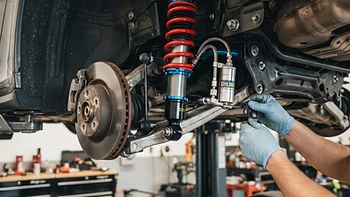
Brake calipers have pistons that extend to press the pads against the rotors. On an ICE car, the pistons move regularly — the seals stay lubricated, and the pistons move freely.
On an EV, the pistons may sit in one position for weeks. The seals can stick, and the pads can seize in the caliper. The result: a brake that does not release fully, causing drag and heat.
The Wheel Impact
Rotor Rust Transfer
When the brakes are finally used, the rust that comes off the rotors can deposit on the wheels. This is a different kind of dust — iron oxide rather than pad material — and it is harder to clean than regular brake dust.
Pitting and Staining
If the rotors are allowed to rust heavily, they pit. The pitting produces a rough surface that wears the pads faster and deposits more material on the wheels. In extreme cases, the rotor needs replacement — not because it is worn to the minimum, but because it is corroded beyond use.
Brake Fluid Absorption
Brake fluid absorbs moisture over time. On an EV, the brakes run cooler (less use) and the fluid may last longer — but the moisture it absorbs can corrode the internal caliper components.
What EV Owners Should Do
Exercise the Brakes
Once a week, do a few moderate brake applications from 40 mph to a stop. This cleans the rotors, moves the caliper pistons, and keeps the brakes functional. This is the single most important maintenance step for EV brakes.
Use the Brakes on Descents
On long descents, use the physical brakes instead of regen. The brakes need the use, and the descent provides a safe opportunity.
Inspect Annually
Have the brakes inspected annually. The technician should check for pad seizure, rotor pitting, and caliper function. Catching a seized pad early is a $50 repair; catching it late is a $500 caliper replacement.
Clean the Wheels
Even with less brake dust, EV wheels should be cleaned regularly. The reduction in dust does not mean zero dust — and the dust that does accumulate can include iron oxide from rotor corrosion, which is harder to remove than pad material.
The Takeaway
EVs produce less brake dust — a genuine benefit for wheel cleanliness. But the brakes that are not used corrode, and that corrosion can affect the wheels and the braking system. The solution is simple: exercise the brakes weekly, inspect annually, and clean the wheels regularly. An EV's brakes are not maintenance-free — they are differently maintained.
Find wheels for your car
Pick your make and model — we'll show you every wheel that fits your bolt pattern.
Get notified when new wheels are listed
New listings drop daily. Be the first to know when wheels for your car hit the marketplace. No spam, unsubscribe anytime.