The Aftermarket Wheel Fitment Gap: How to Measure and Match Center Bores
Stop the shake before it starts. This guide explains how to measure your vehicle's hub and wheel center bore to choose the correct hub-centric rings for a perfect aftermarket fit.
The "Universal" Fitment Problem
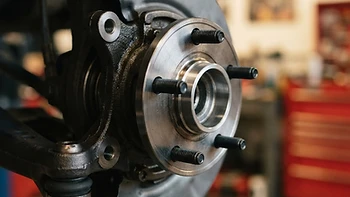
When shopping for aftermarket wheels, you will notice that many options are listed as "universal" or compatible with dozens of vehicle models. To achieve this, manufacturers typically machine the wheel’s center bore—the large hole in the middle of the wheel—to a diameter much larger than a standard factory hub.
While this allows the wheel to physically fit over your vehicle's hub, it creates a gap. Unlike Original Equipment Manufacturer (OEM) wheels, which are machined to match the vehicle's hub diameter exactly, aftermarket wheels are often lug-centric by default. Without a precision-fit center, the wheel relies solely on the lug nuts for centering, which can lead to microscopic misalignments and high-speed vibrations.
Step 1: Measuring Your Dimensions
To bridge this gap, you need hub-centric rings. To buy the right ones, you need two specific measurements in millimeters (mm):
- Vehicle Hub Diameter (Inner Diameter): This is the diameter of the raised lip on your car's wheel hub. You can often find this in your owner's manual or by searching for your vehicle's "center bore spec." For example, many BMWs use a 72.56mm hub, while many Toyotas use 60.1mm.
- Wheel Center Bore (Outer Diameter): This is the diameter of the hole in the back of your aftermarket wheel. Common aftermarket sizes include 73.1mm and 82mm.
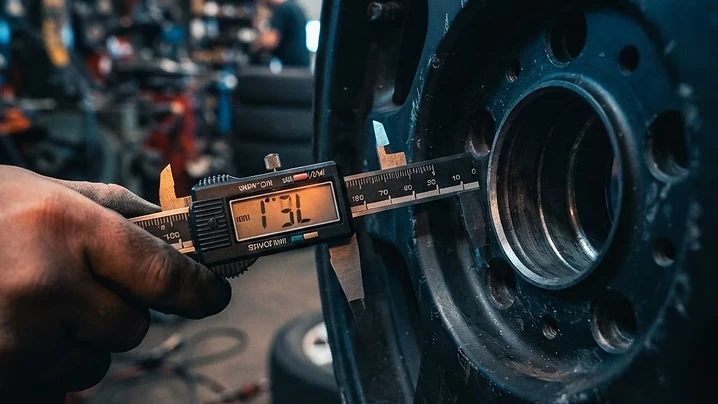
Pro Tip: If you cannot find these specs online, use a digital Vernier caliper to measure the hub and the wheel bore yourself. Accuracy to the tenth of a millimeter is required.
Step 2: Selecting the Right Ring Material
Hub-centric rings are generally available in two materials, each with specific use cases:
- Polycarbonate (Plastic): These are affordable, corrosion-resistant, and ideal for daily drivers in snowy climates where road salt is common. They do not "seize" to the hub. However, they can melt or deform under extreme heat, making them less ideal for track days.
- Aluminum: These offer higher durability and heat resistance. They are preferred for performance driving but are prone to galvanic corrosion. If you choose aluminum, apply a thin layer of anti-seize to the hub to prevent the ring from becoming permanently stuck.
Step 3: Preparation and Installation
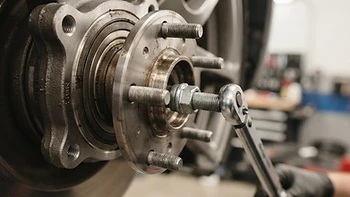
Before installing your rings, you must clean all rust and corrosion from the vehicle's hub mating surface. Even a small flake of rust can prevent the ring from seating flush, which defeats the purpose of the precision fit. Use a wire brush or a specialized hub cleaning tool to ensure a smooth, bare-metal surface.
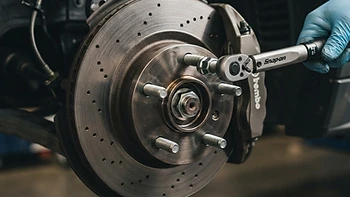
Once clean, press the ring into the back of the wheel first, then mount the wheel onto the hub. The wheel should slide on with zero play, providing the stable, vibration-free ride of an OEM setup.
Find wheels for your car
Pick your make and model — we'll show you every wheel that fits your bolt pattern.
Get notified when new wheels are listed
New listings drop daily. Be the first to know when wheels for your car hit the marketplace. No spam, unsubscribe anytime.