Plastic vs. Aluminum: Choosing the Right Hub Centric Ring Material for Your Build

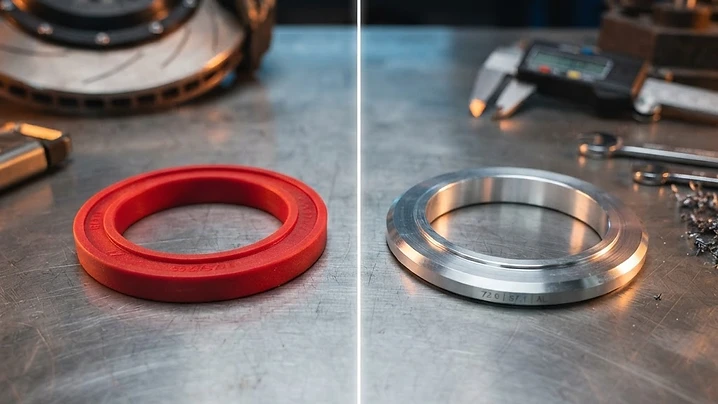
Choosing between plastic and aluminum hub centric rings is more than just a price comparison. This guide breaks down which material suits your driving style and environment.
The Material Debate: Why It Matters
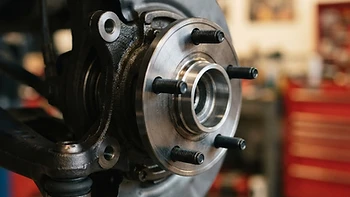
When you buy aftermarket wheels, the center bore is almost always larger than your vehicle's hub pilot. Hub centric rings bridge this gap, ensuring the wheel is perfectly centered during installation to prevent high-speed vibrations [1][12]. While their job is simple, the material you choose—polycarbonate plastic or CNC-machined aluminum—impacts long-term reliability and ease of maintenance.
Polycarbonate (Plastic) Rings: The Street Standard
Polycarbonate rings are the most common choice for daily drivers. Their primary advantage is chemical inertness. Unlike metal, plastic will not undergo galvanic corrosion when pressed against a steel hub or an aluminum wheel [1][27]. This is a critical benefit for drivers in the 'Salt Belt,' as it prevents the wheel from 'welding' itself to the hub over a snowy winter.
Pros:
- Corrosion-proof: They will not seize to the hub or wheel [27].
- Cost-effective: Generally the most affordable option for standard fitment.
- Easy to replace: If they become brittle, they are inexpensive to swap out.
Cons:
- Low heat resistance: Under extreme braking conditions, such as track days, plastic rings can melt or deform [3][27].
Aluminum Rings: The Performance Choice
For track enthusiasts, heavy-duty trucks, or those who prefer a precision-engineered feel, CNC-machined aluminum rings are the standard. They offer superior durability and can withstand the extreme temperatures generated by high-performance brake rotors without losing their shape [2][3].
Pros:
- Heat resistant: Ideal for racing or spirited mountain driving where brakes get hot [1].
- Precision fit: Often machined to tighter tolerances than molded plastic [2].
Cons:
- Oxidation risk: Aluminum rings can seize onto the hub mating surface due to moisture and heat. To prevent this, you must apply a thin layer of high-temp anti-seize to the hub pilot before installation [11].
Mating Surface Preparation
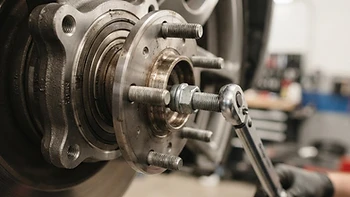
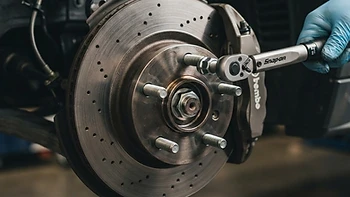
Regardless of the material you choose, the hub mating surface must be pristine. Rust, road grime, or debris on the hub pilot can cause a ring to sit crookedly, reintroducing the very vibrations you are trying to solve [8][20]. Before installing any ring, use a wire brush to clean the hub until the metal is bright.
Actionable Checklist for Buyers
- Measure Twice: Use digital calipers to verify your vehicle's hub pilot diameter and the wheel's center bore before ordering [1][16].
- Check Your Use Case: Choose plastic for daily street use in wet/salty climates. Choose aluminum for track use or high-heat environments [1][3].
- Test Fit: Always snap the ring into the wheel first. It should seat with light finger pressure [11]. If it requires a hammer, the sizing is wrong.
- Maintenance: Inspect your rings during every tire rotation for cracks (plastic) or corrosion (aluminum).
Find wheels for your car
Pick your make and model — we'll show you every wheel that fits your bolt pattern.
Get notified when new wheels are listed
New listings drop daily. Be the first to know when wheels for your car hit the marketplace. No spam, unsubscribe anytime.