Beyond the Size: Choosing the Right Tread Pattern and Compound for Your Build
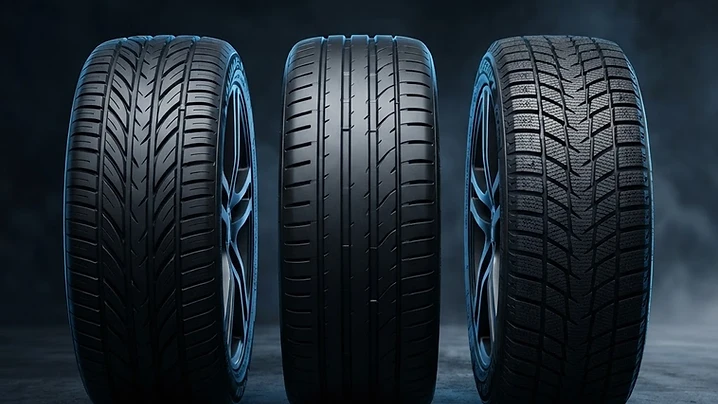
Learn how asymmetric, directional, and symmetric tread patterns impact your car's handling and why the 7°C rule is the ultimate guide for seasonal tire swaps.
Shop tires
Browse all available tires
Shop this article
Browse all tires
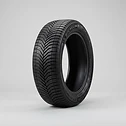
When browsing the RimRevival marketplace for a new set of rubber, it is easy to focus solely on fitment. However, the geometry of the tread and the chemistry of the rubber compound are what actually dictate how your car communicates with the road. Choosing the wrong pattern for your driving style can lead to excessive noise, poor wet-weather handling, or premature wear.
Understanding Tread Geometry
Tire manufacturers design tread patterns to balance grip, noise, and water evacuation. According to Bridgestone, there are three primary designs you will encounter:
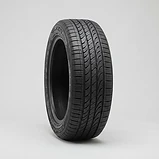
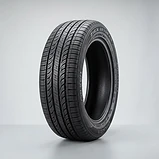
- Symmetric Patterns: These feature continuous ribs or independent blocks that are identical across the entire face. They are typically quieter and allow for the most flexible rotation patterns (X-pattern or front-to-back), which helps extend tire life.
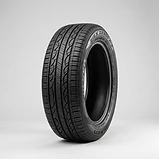
- Asymmetric Patterns: Common on performance vehicles, these tires have different designs on the inner and outer shoulders. The outer side usually features larger tread blocks for better cornering stability, while the inner side is optimized for water displacement. As noted by Priority Tire, these must be mounted with the specific "outside" sidewall facing out.
- Directional Patterns: These use a V-shaped design to pump water away from the contact patch, making them excellent for hydroplaning resistance. However, they can only be rotated front-to-back on the same side of the car unless you dismount and flip the tire on the rim.
The 7°C Rule: Summer vs. Winter vs. All-Weather
Compound chemistry is just as vital as tread shape. A common mistake is assuming "All-Season" tires are sufficient for true winter conditions. As Michelin Canada explains, summer and many all-season compounds begin to harden and lose grip when temperatures drop below 7°C (45°F).
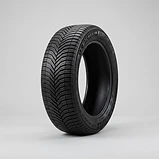
If you live in a climate with sustained freezing temperatures, look for the Three-Peak Mountain Snowflake (3PMSF) symbol. This indicates the tire is an "All-Weather" or dedicated winter tire capable of maintaining flexibility in the cold. Dedicated summer tires, while offering superior dry grip, become dangerously brittle and lose significant braking performance in near-freezing temperatures.
Marketplace Buying Tips
- Match the Axle: Never mix different tread patterns on the same axle. Continental warns that mixing patterns can impair handling characteristics and stability during emergency maneuvers.
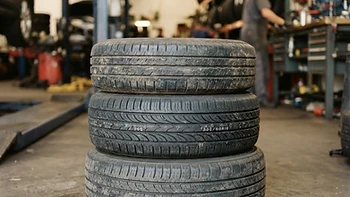
- Verify the Age: Even if a tire looks new, check the DOT date code. Rubber degrades over time regardless of tread depth. Aim for tires manufactured within the last 5–6 years.
- Check for Uneven Wear: When buying used sets, look for "cupping" or heavy wear on one shoulder, which indicates the previous vehicle had alignment or suspension issues.
Find wheels for your car
Pick your make and model — we'll show you every wheel that fits your bolt pattern.
Get notified when new wheels are listed
New listings drop daily. Be the first to know when wheels for your car hit the marketplace. No spam, unsubscribe anytime.