The Perfect Fitment Checklist: 5 Essential Accessories for Your New Wheels

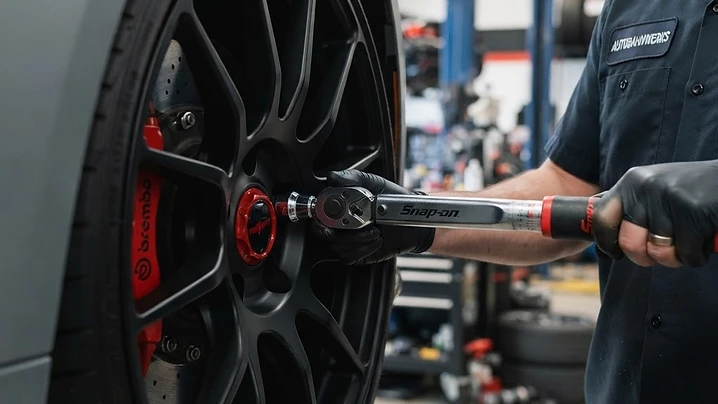
Buying wheels is only half the battle. Ensure a safe, vibration-free ride with this guide to selecting the right lug nuts, spacers, and TPMS sensors for your upgrade.
Beyond the Rim: Completing Your Wheel Upgrade
Ordering a new set of wheels is an exciting milestone for any enthusiast, but the wheels themselves are only part of the equation. To ensure your vehicle remains safe, vibration-free, and aesthetically cohesive, you must account for the hardware that connects those wheels to your car. Many enthusiasts overlook these details, leading to installation delays or, worse, mechanical failure on the road.
Use this checklist to ensure you have the right accessories before your wheels arrive.
1. Match the Lug Nut Seat Type
One of the most common mistakes is reusing factory lug nuts on aftermarket wheels. Most OEM wheels (especially Honda and Volkswagen) use a ball seat (rounded) or a flat mag seat. However, the vast majority of aftermarket wheels require a 60-degree conical (tapered) seat.
Using a ball-seat nut in a conical-seat wheel reduces the contact patch to a tiny sliver of metal. This prevents proper clamping force and can cause the lug nuts to back off while driving. Always verify the seat type required by your new wheel manufacturer.
2. TPMS Sensor Migration or Replacement
Modern vehicles rely on Tire Pressure Monitoring Systems (TPMS). When buying new wheels, you have two choices: swap your old sensors or buy new ones.
- Frequency Matters: Most vehicles use either 315MHz or 433MHz. You must match the frequency of your vehicle’s ECU.
- Stem Material: If you are track-driving or using high-pressure setups, opt for metal bolt-in TPMS stems rather than standard rubber snap-in versions to prevent deflection at high speeds.
3. Hub-Centric Spacers and Rings
If your new wheels have a larger center bore than your vehicle's hub, you need hub-centric rings to fill the gap. Without them, the weight of the vehicle rests entirely on the wheel studs (lug-centric), which often leads to steering wheel wobble at highway speeds.
If you are using spacers to achieve a flush fitment, ensure they are hub-centric. These feature a machined lip that mimics the car's hub, ensuring the wheel remains perfectly centered.
4. High-Performance Valve Stems
Don't settle for the basic rubber TR413 stems provided by most tire shops. For high-end aftermarket wheels, consider:
- Shorty Stems: These are less likely to be damaged by debris or caught on obstacles.
- Metal Bolt-On Stems: These offer a cleaner look and better durability against heat and high-pressure environments.
5. Center Cap Clearance
Before finalizing your purchase, check the depth of your hub. Some vehicles with long axles or grease caps (common on older RWD cars) may prevent the wheel's center cap from snapping into place. If clearance is tight, you may need "high-profile" center caps or a thin spacer to provide the necessary room.