The Performance Matching Protocol: Syncing Tread Geometry with Your Driving Style
Don't just buy for size. Learn how to choose between directional, asymmetric, and symmetric tread patterns to maximize your car's handling and longevity.
Shop tires
Browse all available tires
Shop this article
Browse all tires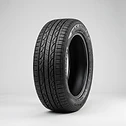
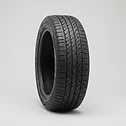
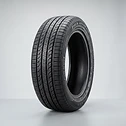
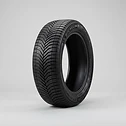
Beyond the Sidewall: Why Tread Geometry Matters
When browsing the RimRevival marketplace, it is easy to get hyper-focused on wheel offset and tire width. However, the physical pattern of the rubber—the tread geometry—dictates how that power actually meets the pavement. Choosing the wrong pattern for your driving style can lead to premature wear, excessive road noise, or dangerous handling in the wet.
1. The Three Primary Tread Patterns
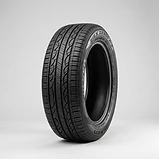
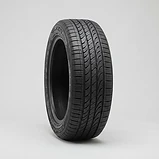
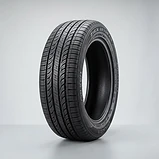
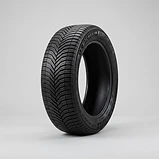
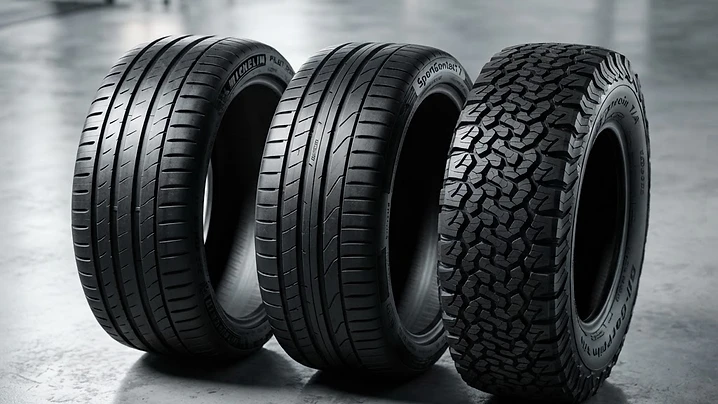
- Symmetric: These feature continuous ribs or independent blocks that are the same across the entire tire surface. They are typically found on daily drivers because they are quiet and can be rotated in multiple ways (cross-rotation), extending their lifespan Tire Tread Patterns Explained: What They Mean for You.
- Asymmetric: Common on ultra-high-performance (UHP) tires, the inner and outer halves of the tread serve different purposes. The inner side often has more grooves for water evacuation, while the outer side features larger tread blocks for increased lateral grip during cornering Tire tread | Continental Tires.
- Directional (V-Shaped): Designed to roll in only one direction, these are superior at pumping water out from under the tire to prevent hydroplaning. These are ideal for high-performance wet-weather driving but can only be rotated front-to-back on the same side of the vehicle.
2. The 45°F Rule: Seasonal Compounds
Enthusiasts often mistake "All-Season" for "All-Weather." For genuine performance, you must monitor the ambient temperature.
- Summer Tires: These use a compound that stays firm at high temperatures but becomes brittle and loses grip when the thermometer dips below 45°F (7°C) How to Choose Winter Tires: Complete Buying Guide & FAQs | Les Schwab.
- Winter Tires: These feature high silica content to stay flexible in freezing temperatures and "sipes" (tiny slits) that bite into ice.
- All-Weather (3PMSF): If you want a single set year-round, look for the Three-Peak Mountain Snowflake (3PMSF) symbol. These are a step above standard all-seasons and are rated for severe snow service Tested: Best All-Weather Tires for 2026.
3. The Marketplace Inspection Checklist
When buying tires online or as part of a wheel package, use this protocol to ensure you aren't buying a liability:
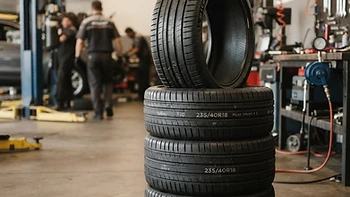
- Verify the DOT Code: Look for the four-digit code (e.g., 1224). The first two digits are the week, and the last two are the year. Even if the tread looks deep, rubber older than six years begins to oxidize and lose its structural integrity Tire Age: How to Check Your Tire's Date Code - SimpleTire.
- Axle Matching: Never mix different tread patterns on the same axle. This can cause unpredictable handling and interfere with your vehicle's Electronic Stability Control (ESC) Tire tread | Continental Tires.
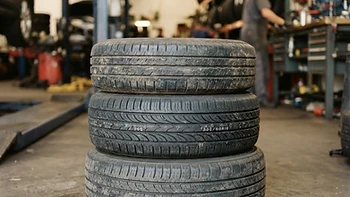
- Check for "Cupping": In photos, look for uneven dips in the tread blocks. This usually indicates the tire was previously run on a vehicle with worn shocks or bad alignment.
Find wheels for your car
Pick your make and model — we'll show you every wheel that fits your bolt pattern.
Get notified when new wheels are listed
New listings drop daily. Be the first to know when wheels for your car hit the marketplace. No spam, unsubscribe anytime.