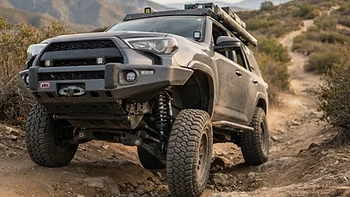
Beyond the Stance: How Wheel Offset and Backspacing Affect Trail Performance
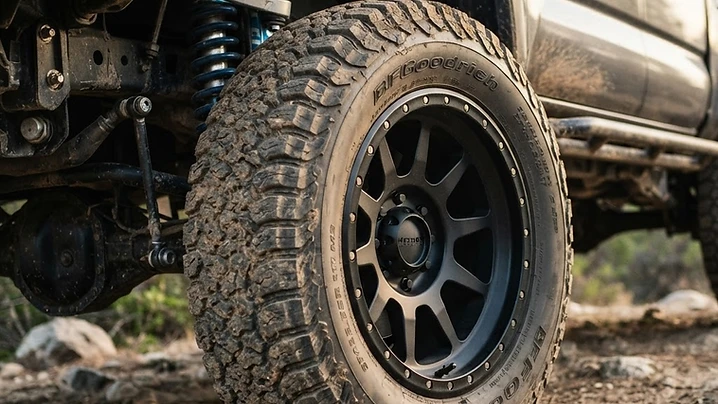
Learn how to choose the right wheel offset and backspacing to clear larger tires, protect your suspension, and improve stability on technical terrain.
Shop off-road parts
Browse off-road gear
The Hidden Geometry of Off-Road Wheels
When shopping for new wheels on RimRevival, most enthusiasts focus on the bolt pattern and the aesthetic. However, the most critical measurements for a functional off-road build are offset and backspacing. These dimensions dictate whether your 35-inch mud tires will glide through the trails or rub your frame raw the moment you turn the steering wheel.
While street cars often prioritize a flush look, off-road applications demand specific geometry to accommodate larger tires and increased suspension travel. According to Hardrock Offroad, the difference between a great trail experience and a mechanical nightmare often comes down to these two measurements.
Offset vs. Backspacing: What’s the Difference?
Though they describe the same thing—where the wheel sits in the wheel well—they measure from different points:
- Offset: Measured in millimeters, this is the distance from the wheel's centerline to the mounting surface. A negative offset pushes the wheel outward, widening the vehicle's track.
- Backspacing: Measured in inches, this is the distance from the mounting surface to the back edge of the wheel. This is often the more critical measurement for ensuring the wheel doesn't hit your brake calipers or control arms.
Why Negative Offset Dominates the Trail
Most factory wheels have a positive offset, tucking the tires inward for aerodynamics. For off-roading, a move toward negative offset is common for several reasons:
- Tire Clearance: Larger tires are wider. A negative offset pushes that extra width away from the frame and suspension components, preventing "rubbing" at full steering lock.
- Stability: A wider track width provides a more stable footprint, which is vital when navigating off-camber sections or steep side-hills.
- Scrub Radius: Changing your offset alters your scrub radius—the pivot point of your steering. While a wider stance looks aggressive, extreme negative offsets (like -44mm or -51mm) are often better suited for show trucks, as they can cause premature wear on wheel bearings and ball joints Hardrock Offroad.
Practical Tips for Your Next Set
- Check Your Load Rating: Before falling in love with a design, ensure the wheel's load rating exceeds your vehicle's Gross Axle Weight Rating (GAWR). Off-roading puts significantly higher stress on wheels than highway driving Reika Wheels.
- Account for Articulation: A wheel might clear the fender while sitting in your driveway, but you must check clearance at "full stuff" (when the suspension is fully compressed).
- The 17-Inch Sweet Spot: For most modern rigs, 17-inch wheels are the industry standard. They provide enough room for larger brake kits while allowing for plenty of tire sidewall to flex and absorb impacts 4x4 Australia.
Choosing the right offset isn't just about style; it’s about ensuring your rig remains reliable when you're miles away from the nearest paved road.
Find wheels for your car
Pick your make and model — we'll show you every wheel that fits your bolt pattern.
Get notified when new wheels are listed
New listings drop daily. Be the first to know when wheels for your car hit the marketplace. No spam, unsubscribe anytime.