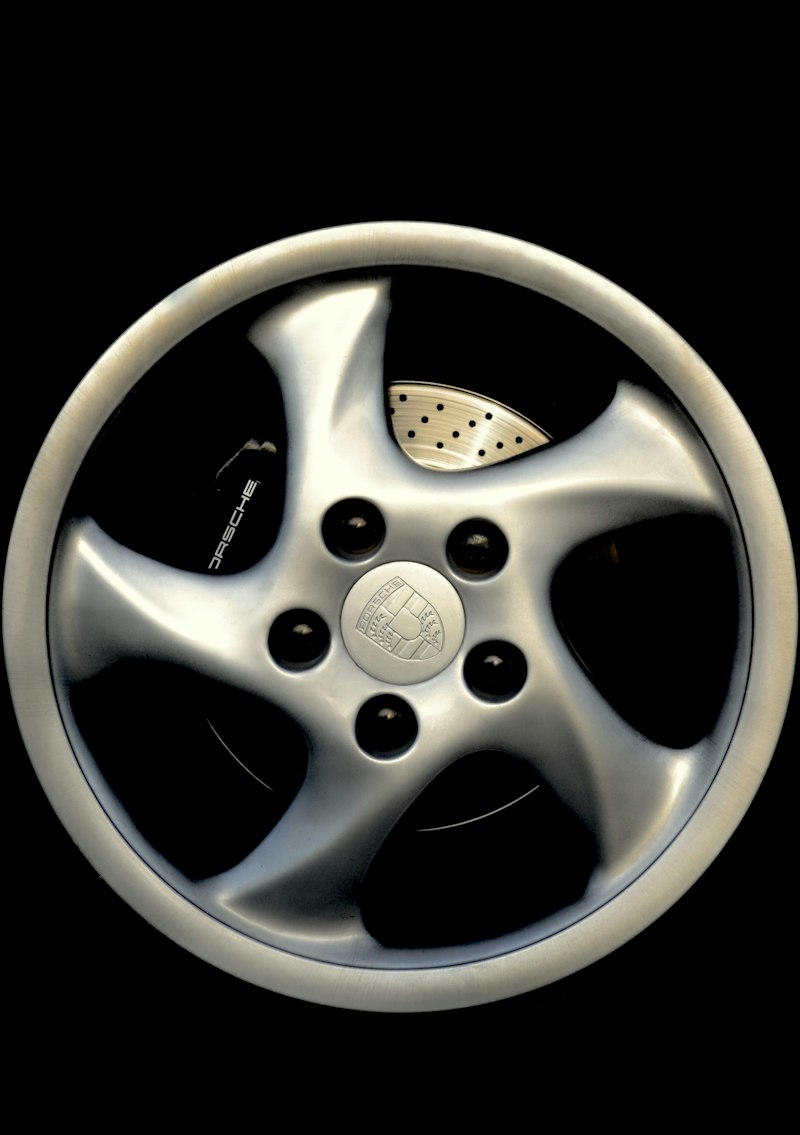
The Airtight Truth: A Tech’s Guide to Tube vs. Tubeless Wheel Systems
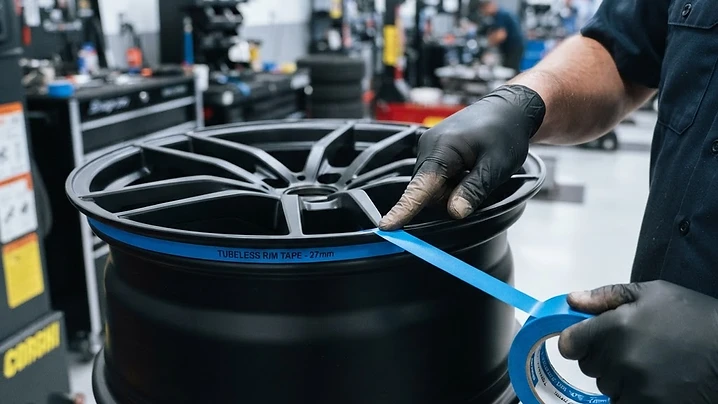
Understanding the critical differences between tube-type and tubeless rims is essential for safety and performance. This guide breaks down sealing tech, repair protocols, and when you can—or shouldn't—convert your setup.
Shop rims
Browse all available wheels
Shop this article
Browse all rims
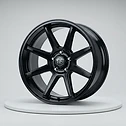
The Shop Floor Reality: Why the Seal Matters
When a customer walks into the shop looking for aftermarket wheels, they usually focus on the bolt pattern—like the common 5x114.3mm for Japanese imports or 5x112mm for European builds Wheel Haven. But as a tech, the first thing I look at isn't the aesthetic; it’s how that wheel is going to hold air.
In the modern automotive world, tubeless is king, but the "old way" of using inner tubes hasn't vanished. Understanding the engineering behind these two systems is the difference between a reliable daily driver and a dangerous blowout on the highway.
Tubeless Systems: The Modern Standard
Almost every passenger vehicle manufactured today uses tubeless tires. Instead of a separate rubber bladder, a tubeless tire features an integrated inner liner made of halobutyl or chlorobutyl rubber Car From Japan. This liner is bonded to the inside of the tire casing, creating an airtight seal against the rim's bead seat.
Why Tubeless Wins on the Road
- Safety in Punctures: When a nail hits a tubeless tire, the inner liner often seals around the object. This leads to a slow leak rather than a sudden decompression. According to RevZilla, this gives drivers a critical window to reach safety.
- Heat Dissipation: Without the friction of a tube rubbing against the tire carcass, tubeless setups run significantly cooler. Heat is the primary enemy of tire longevity; for every 10% increase in operating temperature, tire life can drop significantly.
- Efficiency: Studies have shown that tubeless setups can reduce rolling resistance by up to 5% compared to tubed counterparts Lebel Bicycles.
Where Tubes Still Rule
You’ll still find inner tubes in specific niches: vintage cars with wire-spoke wheels, heavy-duty off-road rigs, and certain motorcycles. Traditional spoked wheels are not inherently airtight because the spoke nipples pass through the rim bed.
In extreme off-road scenarios, tubes allow drivers to "air down" to incredibly low pressures—sometimes below 10 PSI—to gain traction on soft sand or rock without the tire bead unseating and losing all air instantly. However, for the average driver, tubes add weight and complexity. A tube-type repair requires removing the entire wheel and tire to patch the bladder, whereas a tubeless puncture can often be fixed in minutes with a plug kit Garvee.
The Conversion Question: Can You Swap?
I get asked all the time: "Can I put a tube in my tubeless tire?" The answer is yes, but with a major caveat. If you run a tube in a tubeless tire, you must drop the speed and load rating by one level RevZilla. The extra friction between the tube and the tire's inner liner generates heat that the tire wasn't designed to handle at high speeds.
Conversely, converting a tube-type rim to tubeless (common in the aftermarket bike and vintage car world) requires "Tubeless Ready" (TLR) components. This involves sealing the rim bed with specialized tape and installing a dedicated valve stem Park Tool.
Comparison of Systems
| Feature | Tubeless | Tube-Type | | :--- | :--- | :--- | | Primary Seal | Tire Bead & Inner Liner | Separate Rubber Tube | | Puncture Response | Slow Deflation | Often Instant Deflation | | Repair Method | External Plug / Sealant | Internal Patch or Replacement | | Weight | Lighter (saves ~50-100g/wheel) | Heavier | | Common Use | Modern Cars, SUVs, Light Trucks | Vintage, Off-Road, Spoked Wheels |
The Tech’s Rule of Thumb: The 10-Degree Rule
Regardless of your setup, air pressure is non-negotiable. A concrete rule we use in the shop is the 1 PSI per 10°F rule. For every 10-degree drop in ambient temperature, your tires will lose approximately 1 PSI of pressure. This is due to basic physics: air contracts when cold. If you set your pressure at 35 PSI during a 70°F afternoon, and the temperature drops to 30°F overnight, you’ll wake up with 31 PSI—enough to trigger a TPMS light on many modern vehicles.
What to Do Next
- Check Your Valve Stems: If you have tubeless wheels, replace the rubber valve stems every time you buy new tires. They dry rot just like tread does.
- Verify Your Fitment: Before buying aftermarket rims, ensure the center bore is equal to or larger than your hub. If it's larger, always use hub-centric rings to prevent vibration Wheel Haven.
- Inspect Tread Depth: Use a gauge to check your 32nds. The NHTSA recommends replacing tires at 2/32", but for wet weather safety, I suggest looking for new rubber at 4/32".
- Carry a Plug Kit: If you run tubeless, a $15 plug kit and a portable compressor can save you a $200 tow bill.
Find wheels for your car
Pick your make and model — we'll show you every wheel that fits your bolt pattern.
Get notified when new wheels are listed
New listings drop daily. Be the first to know when wheels for your car hit the marketplace. No spam, unsubscribe anytime.