Bolt Patterns Explained: Will Those Rims Fit My Car?
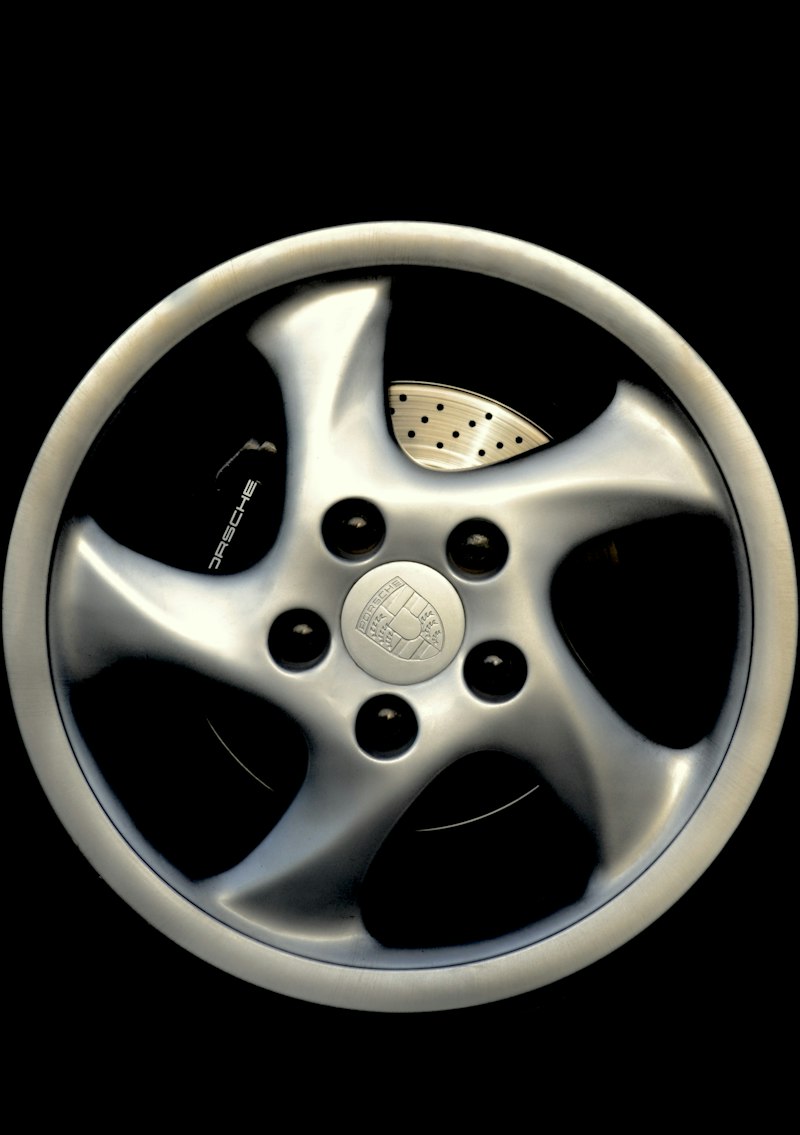
5x114.3, 4x100, 8x165 — what do bolt patterns mean, and how do you know if a set of rims will actually fit your car? A plain-English fitment guide.
What is a bolt pattern?
A wheel's bolt pattern (also called the lug pattern or PCD — pitch circle diameter) describes how many fasteners hold the wheel on, and the diameter of the circle those fasteners sit on. It's written as number of lugs × diameter in millimeters.
5x114.3 means:
- 5 lug nuts/bolts
- arranged on a circle 114.3 mm across
Why it has to match
A wheel whose bolt pattern doesn't match your hub will not bolt on. The holes simply won't line up. This is the single most important spec to get right when shopping for used rims — get it wrong and the wheels are useless for your car, no matter how good the price.
Common patterns by vehicle
- 5x114.3 — the most common 5-lug pattern; used by many Honda, Nissan, Toyota, Hyundai, Kia, and Mazda models.
- 5x100 — Subaru, VW (most), some Audi and Toyota.
- 5x120 — BMW, some GM and Ford trucks/SUVs.
- 4x100 — most small 4-lug cars (Civic, Corolla, Mazda3, many VWs).
- 8x165.1 / 8x170 — heavy-duty trucks (F-250/350, Silverado 2500/3500).
It's not the only fitment number
A matching bolt pattern is necessary but not sufficient. Before you buy, also confirm:
- Center bore — the hub hole in the wheel must be at least as big as your hub (you can use hubcentric rings to shrink a larger bore, but you can't safely enlarge a smaller one).
- Offset (ET) — how far the mounting surface sits from the wheel's centerline. Too aggressive and the tire rubs the fender; too tucked and it hits the suspension.
- Diameter and width — a 17" rim needs a tire sized for 17", and the width (e.g. 8.5J) must match the tire you plan to run.
How to find your pattern
Check your owner's manual, the sticker inside the driver's door jamb, or search your year/make/model plus "bolt pattern." Every RimRevival rim listing includes the bolt pattern, center bore, and offset so you can compare before you commit.