The Plus-Sizing Strategy: How to Increase Rim Diameter Without Ruining Your Ride

Upgrading to larger wheels requires more than just matching bolt patterns. Learn the '1% Rule' for maintaining speedometer accuracy and suspension geometry when plus-sizing.
Shop rims
Browse all available wheels
Shop this article
Browse all rims


The Art of the Plus-Size Upgrade
For most enthusiasts on the RimRevival marketplace, the first major modification is 'plus-sizing'—the process of increasing the wheel diameter while decreasing the tire sidewall height. While a 'Plus-1' or 'Plus-2' setup (moving from 17-inch to 18 or 19-inch rims) instantly transforms a car’s stance and sharpening steering response, it is a delicate balancing act. If the math is wrong, you risk inaccurate speedometer readings, transmission shift errors, and fender rubbing.
The 1% Rule: Maintaining the Rolling Diameter
The most critical factor in wheel sizing is the overall rolling diameter. This is the total height of the wheel and tire combined. Modern vehicles use wheel speed sensors for ABS, traction control, and GPS-based systems.
To keep these systems happy, your new setup should stay within 1% to 3% of the original factory rolling diameter.
- Plus-1 Setup: If you increase the rim diameter by 1 inch, you must typically decrease the tire aspect ratio (the middle number in a tire size like 225/45R17) by 10 points to compensate.
- The Math: If your OEM size is 205/55R16, a proper Plus-1 move would be 225/45R17. The shorter sidewall offsets the taller metal, keeping the total height nearly identical.
Don’t Forget the 'X-Factor'
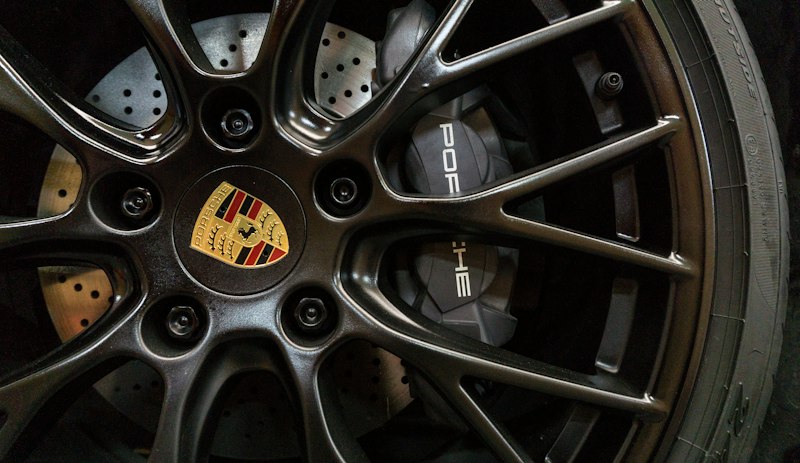
When shopping for aftermarket wheels online, many buyers focus solely on the bolt pattern and offset. However, the X-Factor (or caliper clearance) is what often leads to returns. This refers to the distance between the mounting pad of the wheel and the back of the spokes.
If you have upgraded 'Big Brake Kits' or performance multi-piston calipers, a wheel with the 'correct' offset might still hit the caliper if the spoke profile is too flat. Always verify that the wheel design offers enough 'concavity' or spoke curvature to clear your specific brake setup.
Practical Buyer’s Checklist
Before hitting 'checkout' on that dream set of rims, run through these technical checks:
- Load Rating: Ensure the aftermarket wheel is rated for your vehicle’s weight. A wheel designed for a lightweight coupe may fail structurally if mounted on a heavy EV or SUV.
- Width vs. Stretch: A wider rim (e.g., moving from 7.5" to 8.5") provides a better contact patch but requires a wider tire. Avoid 'stretching' a narrow tire onto a wide rim, as this compromises the bead seal and ride quality.
- Speedometer Check: Use an online calculator to compare your OEM diameter to your new target size. If the difference is greater than 3%, your speedometer will read slower than your actual speed, increasing your risk of speeding tickets.
- Suspension Travel: Turn your steering wheel to full lock (all the way left and right) and check for clearance against the inner fender liner and suspension struts. Larger, wider wheels often require a slightly different offset to prevent 'rubbing' during tight maneuvers.
Find wheels for your car
Pick your make and model — we'll show you every wheel that fits your bolt pattern.
Get notified when new wheels are listed
New listings drop daily. Be the first to know when wheels for your car hit the marketplace. No spam, unsubscribe anytime.