Articles & guides
Fitment know-how, buying guides, restoration tips, and deep dives on rims, tires, and drivetrain parts.
28 articles
Chrome vs Alloy Rims: Which Should You Buy?
Chrome rims are lighter and flashier; alloy rims are heavier and more durable.

Winter Wheels: Why You Need a Dedicated Set
Running winter tires on a dedicated wheel set is cheaper than replacing your summer wheels every spring. Here is the case for a second set and how to choose them.

How to Inspect Used Rims for Curb Rash and Damage
Learn what to look for when inspecting used rims for damage before buying.

The Anatomy of a Wheel Rim: Parts and Terminology
Understand the parts of a wheel rim and the terminology used in automotive wheel discussions.

ET (Offset): The German Wheel Measurement Standard Explained
ET stands for Einpresstiefe — the German word for offset. Here is what it means, why it is the global standard, and how it determines whether your wheels fit.

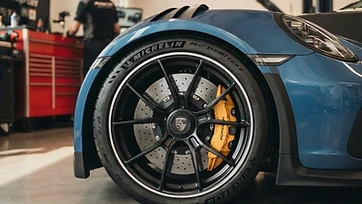
The Science of Wheel Weight: Why Rotational Mass Matters
Unsprung and rotational weight affect acceleration, braking, and ride quality more than almost any other wheel spec. Here is what the physics says.

Understanding Rim Bolt Patterns: 5x114.3 and Beyond
The 5x114.3mm bolt pattern is the most important spec when buying rims.

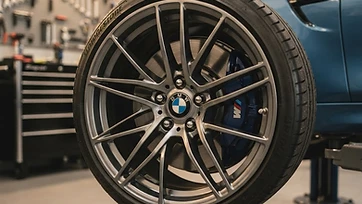
Lug Nut Seat Types: Conical, Ball, and Flat
Using the wrong lug nut seat type is a common and dangerous mistake. Here is how to identify conical, ball (radius), and flat seats and why they are not interchangeable.

Used vs. Refurbished Rims: What to Check Before You Buy
Refurbished rims look new, but are they worth the premium? Here's what to inspect on both, and which makes sense for your build.

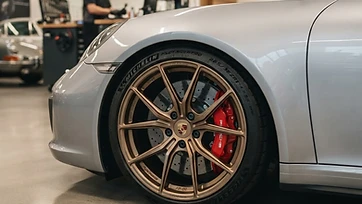
Flow-Formed Wheels: The Middle Ground Between Cast and Forged
Flow-forming gives you forged strength at a cast price. Here is how the process works and why it is the best value in modern wheel manufacturing.

The Hunt for One: Finding a Single Replacement Rim
A single bent or cracked rim can ground your whole ride. Here's why matching just one wheel is the hardest part of the job — and how RimRevival.net makes it possible.
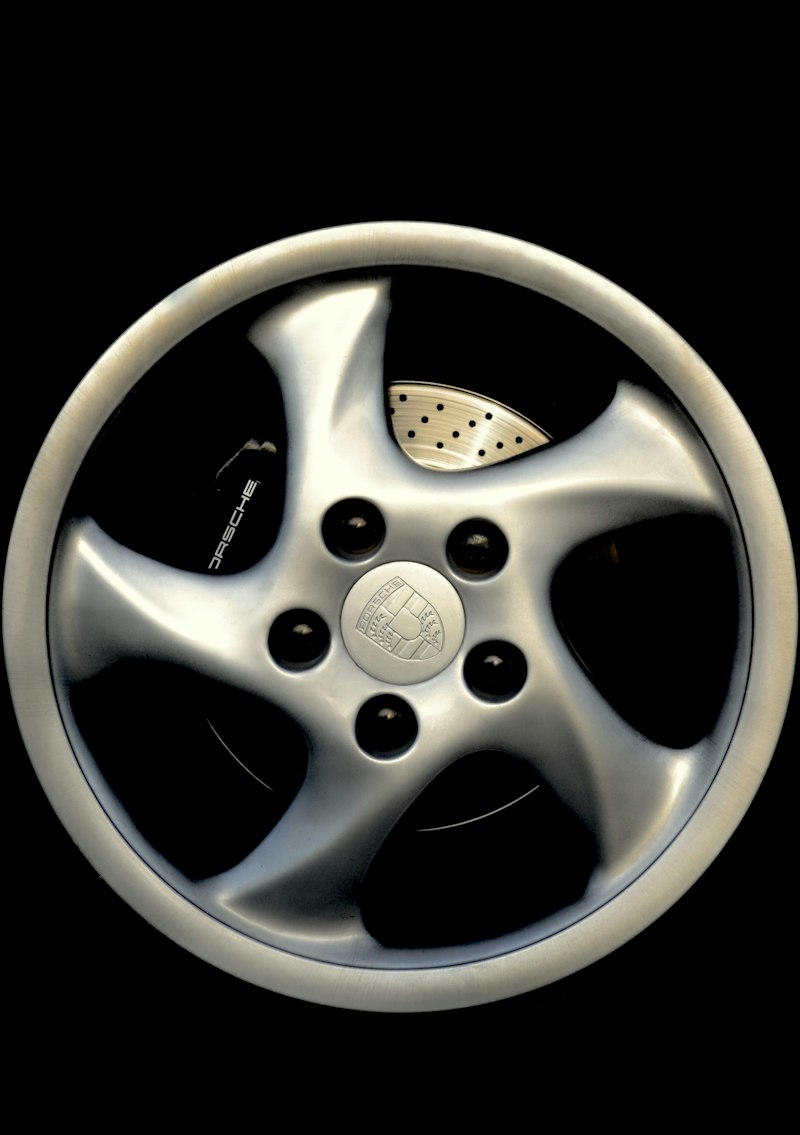
Bolt Patterns Explained: Will Those Rims Fit My Car?
5x114.3, 4x100, 8x165 — what do bolt patterns mean, and how do you know if a set of rims will actually fit your car? A plain-English fitment guide.


Beyond the Bolt Pattern: Why Hub-Centric Rings Are Non-Negotiable
Eliminate highway vibrations and ensure a safe fit by understanding the critical relationship between your vehicle's hub and your new aftermarket wheels.

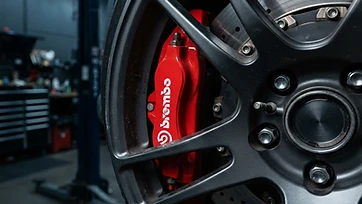
The 'X-Factor': Why Your Wheels Might Not Clear Your Brakes
Bolt patterns and offsets are only half the battle. Learn how to measure the 'X-Factor' to ensure your new rims clear high-performance brake calipers.

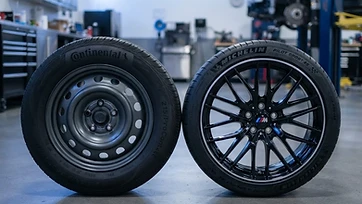
The Plus-Sizing Strategy: How to Increase Rim Diameter Without Ruining Your Ride
Upgrading to larger wheels requires more than just matching bolt patterns. Learn the '1% Rule' for maintaining speedometer accuracy and suspension geometry when plus-sizing.

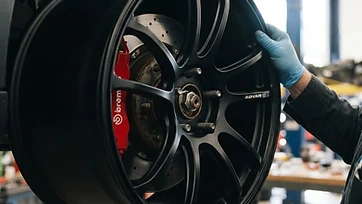
The 'Dry Fit' Protocol: Why You Must Test Fit Wheels Before Mounting Tires
Avoid the expensive 'no-return' trap by mastering the pre-mount test fit. Learn how to verify brake clearance and suspension gaps before you commit to tires.

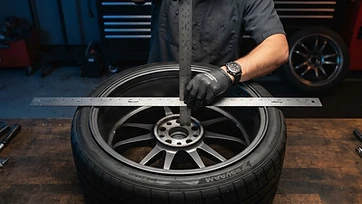
Backspacing vs. Offset: How to Ensure Your New Wheels Clear Your Suspension
Understanding the difference between backspacing and offset is the key to avoiding suspension rub. Learn how to measure your clearance and choose the right specs for a perfect fit.

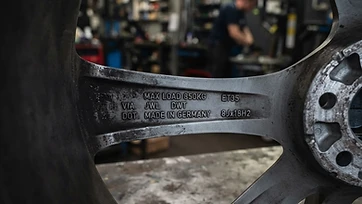
The Load Rating Trap: Why Your Aftermarket Wheels Might Be Unsafe
Most enthusiasts focus on offset and bolt patterns, but ignoring wheel load ratings can lead to catastrophic failure. Learn why this hidden spec is the most critical safety factor when buying aftermarket rims.


The Square Setup Strategy: Why (and How) to Ditch Your Staggered Wheels
Learn how switching to a uniform 'square' wheel setup can neutralize your car's handling, simplify tire rotations, and save you money at the tire shop.


Beyond the Barrel: The Enthusiast’s Guide to Buying Multi-Piece Wheels
Modular wheels offer unmatched customization, but buying them used requires a specialized inspection. Learn how to verify seals, hardware integrity, and authenticity.

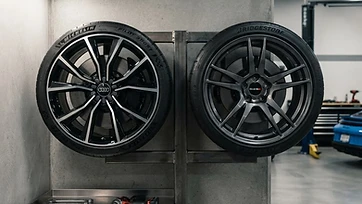
The OEM+ Compatibility Matrix: How to Safely Swap Wheels Between Different Car Brands
Learn the technical requirements for cross-brand wheel swapping, from center bore variances to hardware conversions, so you can score the perfect set of factory rims from another make.

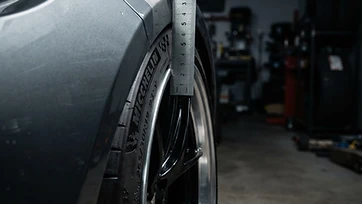
The Flush Fitment Blueprint: How to Calculate Poke and Tuck Before You Buy
Stop guessing how your new wheels will sit against the fender. Learn how to calculate poke and tuck to achieve a perfect flush fitment without rubbing.


Beyond the Spin: The Tech's Guide to Wheel Weights and Road-Force Balancing
Eliminate stubborn highway vibrations with the right combination of wheel weights, dynamic balancing, and road-force diagnostics.

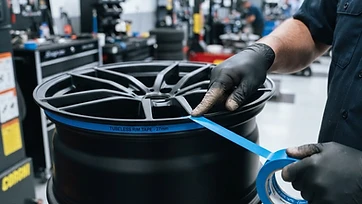
The Airtight Truth: A Tech’s Guide to Tube vs. Tubeless Wheel Systems
Understanding the critical differences between tube-type and tubeless rims is essential for safety and performance. This guide breaks down sealing tech, repair protocols, and when you can—or shouldn't—convert your setup.


Zero Pressure, High Stakes: A Tech’s Guide to Run-Flat Wheels and the 50/50 Rule
Understand the mechanics, costs, and strict replacement rules of run-flat tires before you ditch your spare or swap your OEM wheels.

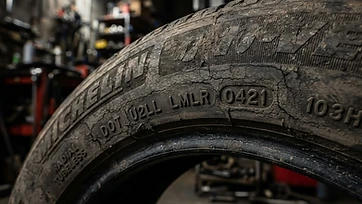
The Ticking Clock on Your Rims: Why Low Mileage Doesn’t Mean Safe Rubber
Think low mileage means your tires are safe? Learn how to decode DOT dates, spot dry rot, and understand why age—not just wear—is the silent killer of aftermarket and OEM setups.

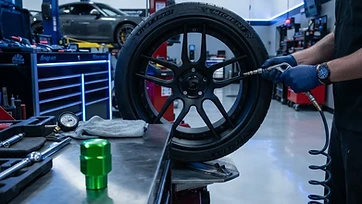
The Green Cap Debate: Is Nitrogen Inflation Worth It for Your Aftermarket Wheels?
We break down the physics of nitrogen vs. compressed air, helping you decide if that $5-per-tire upgrade actually protects your investment or if it's just hot air.

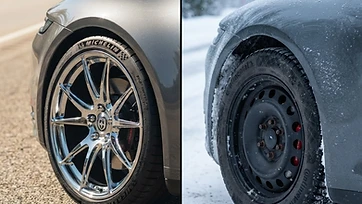
The Seasonal Swap: A Tech’s Guide to Wheels, Fitment, and the 45-Degree Rule
Master the science of seasonal wheel changeovers, from understanding the 1 PSI temperature rule to choosing the right bolt patterns for your winter set.